
Pruning
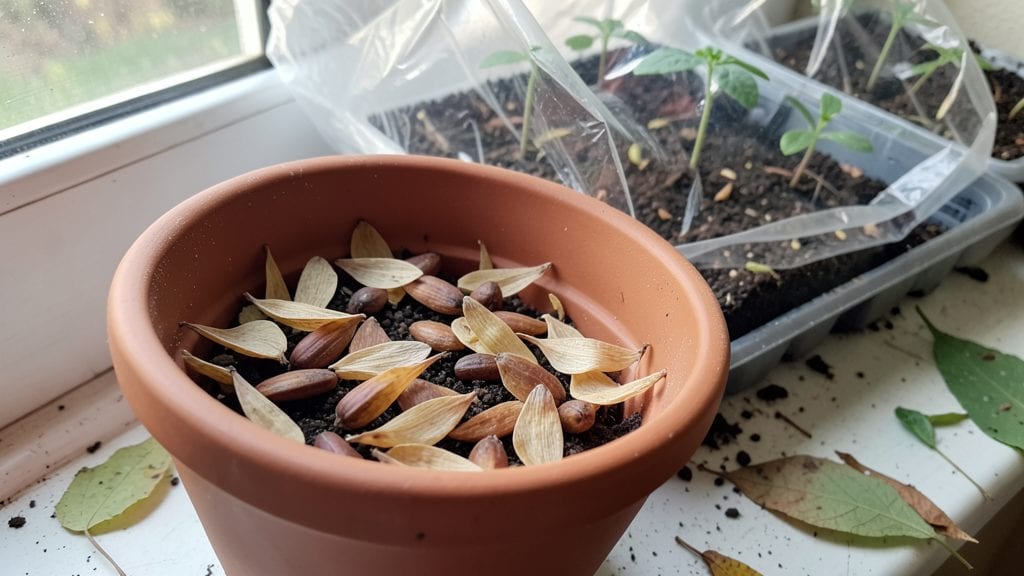
Fast germination in 7 days means you’ll see those first tiny agar tree sprouts before your coffee gets cold—no waiting months like with other seeds.
I’ve grown hundreds of agar trees, and the secret to this speed isn’t some fancy trick but getting the soil, warmth, and moisture just right from day one. The key is starting with fresh, high-quality seeds and keeping them consistently warm and damp, which mimics their natural tropical environment.
You only need three things to get started: a shallow tray, a mix of 50% peat moss and 50% perlite, and a heat mat set to 75-80°F. No cold stratification, no fancy equipment—just patience and a little warmth.
Most people overcomplicate this, but agar seeds are surprisingly forgiving once you nail the basics. Within a week, you’ll watch those first pale green shoots push through the soil, signaling success.
The payoff is worth the effort: lush, fast-growing seedlings that’ll give you 6-foot-tall shade trees in 3-5 years. Imagine planting a few now and enjoying their glossy leaves and fragrant flowers in just a few seasons.
The trick to keeping them thriving after germination is simple—just keep the soil moist but not soggy and move them to bright, indirect light as soon as they sprout.
This method works year-round, whether you’re a beginner or a seasoned grower looking to speed up propagation. Once you master the fast germination trick, you’ll never buy nursery trees again. Let’s get those seeds planted!
📚 In This Guide
- What you need
- Instructions
- Tips and common mistakes
- Wrapping up and next steps
What you need
- ● Agar tree seeds: 5–10 fresh, viable seeds (ensure they’re plump and free of cracks).
- ● Seed-starting mix: 1–2 cups of well-draining, sterile potting soil (or a blend of coconut coir + perlite for moisture control).
- ● Small pots or seed trays: 2–4 (3–4 inches deep) with drainage holes.
- ● Plastic wrap or humidity dome: To retain moisture during germination.
- ● Spray bottle: For gentle watering (avoid over-saturating!).
- ● Grow lights or sunny windowsill: Agar trees love warmth (75–85°F) and bright, indirect light.
- ○ Fine-mesh sieve (optional): Helps sift soil for even seed placement.
- ○ Heating mat (optional): Speeds up germination if ambient temps dip below 70°F.
- ● Fertilizer (after germination): A balanced liquid fertilizer (e.g., 10-10-10) diluted to half-strength.
- ● Pruning shears (later stage): For trimming as your sapling grows.
Instructions for germinating agar tree seeds in 7 days
Here's how to break the cold stratification barrier and get agar tree seeds sprouting quickly.
Soak Seeds for 24 Hours
Place the agar tree seeds in a clean bowl and cover them completely with warm water. Let them soak for 24 hours—this softens the outer shell and kickstarts the germination process. I like to use a small mesh bag to keep them contained while soaking, which makes draining easier later.
After soaking, drain the water thoroughly but don't let the seeds dry out. Gently pat them dry with a paper towel until they feel slightly damp to the touch. This step is crucial because damp seeds germinate faster than dry ones, and you'll see tiny roots emerge within 12-24 hours of planting if done correctly.
Prepare the Germination Medium
Fill a small container—like a 4-inch-wide nursery pot—with a mix of 50% peat moss and 50% perlite. This lightweight blend drains well while retaining enough moisture to support early root growth. Moisten the mix until it feels like a wrung-out sponge: damp but not soggy.
Press the soil down lightly with your fingers to create a firm but not compacted surface. This prevents seeds from sinking too deep, which can slow germination. You want the soil to hold its shape when squeezed but still crumble easily with gentle pressure.
Plant Seeds at the Right Depth
Make a small hole in the soil with your finger, about ½ inch deep. Place 1-2 seeds in each hole—agar trees are slow to establish, so having a backup seed ensures success. Cover the seeds lightly with soil, just enough to obscure them completely but not bury them too deeply.
Gently pat the soil around the seeds to ensure good contact. Avoid pressing too hard, as this can damage the delicate emerging roots. Water the soil lightly with a spray bottle until the surface feels evenly moist. You'll know it's right when water beads up slightly on the soil's surface but doesn't pool.
Create Ideal Germination Conditions
Place the container in a warm, humid environment. A 75-85°F spot, like on top of a refrigerator or near a heat vent, works best. Cover the pot loosely with plastic wrap to trap moisture, but leave a small gap for airflow to prevent mold.
Check the soil daily and mist it lightly if the surface feels dry. You should see the first sprouts within 3-5 days, with full germination complete by 7 days. If condensation forms on the plastic, remove it for a few hours to reduce humidity—too much moisture can cause rot before the seeds even sprout.
Transition to Light and Soil
Once the seedlings have 2-3 true leaves—about 10-14 days after planting—remove the plastic wrap and move them to a bright, indirect light spot. Agar trees thrive in partial shade, so avoid direct sunlight, which can scorch young leaves.
When the seedlings reach 3-4 inches tall, transplant them into individual 6-inch pots filled with a mix of 60% potting soil and 40% compost. Water gently after transplanting to help the roots settle. You'll notice stronger growth within a week as the roots establish in their new home.
Tips & tricks for fast agar tree seed germination
These practical tips will help you bypass cold stratification and get your agar tree seeds sprouting reliably within seven days.
Soak Smart: The 24-hour soak is your secret weapon for breaking dormancy. Use warm water (around 85°F) to speed up the process—cold water will slow down hydration. After draining, I recommend placing the mesh bag with seeds in a single layer on a paper towel to air-dry slightly while keeping them damp. This prevents clumping and ensures each seed gets equal moisture exposure.
Medium Consistency Matters: When mixing your 50% peat moss and 50% perlite blend, aim for a texture that holds together when squeezed but still crumbles easily. Think of it like damp sand at the beach—it should form a loose ball that falls apart when dropped. This balance prevents both waterlogging and drying out during those critical first days of germination.
Planting Precision: The ½-inch depth recommendation isn't arbitrary—agar tree seeds need darkness to germinate but not so deep they suffocate. Use your finger to make the hole, then gently press the seeds in rather than dropping them. This ensures consistent depth across all seeds, which is especially important when working with multiple seeds in one container.
Humidity Control: While the plastic wrap creates the humid environment agar seeds crave, monitor condensation closely. If you see heavy droplets forming within 24 hours, remove the wrap for 30 minutes to let excess moisture escape. Too much humidity can cause mold before germination even begins, and you'll lose all your hard work.
Pro Tips for Agar Tree Seeds
- These practical tips will help you bypass cold stratification and get your agar tree seeds sprouting reliably within seven days.
- Soak Smart: The 24-hour soak is your secret weapon for breaking dormancy.
- Medium Consistency Matters: When mixing your 50% peat moss and 50% perlite blend, aim for a texture that holds together when squeezed but still crumbles easily.
Frequently asked questions
about growing agar tree seeds—here’s what you need to know before diving in!How soon can I expect agar tree seeds to germinate?
Agar tree seeds are famous for their fast germination—typically within 3 to 7 days under ideal conditions (warmth, moisture, and indirect light). If you’re impatient, check daily for tiny sprouts peeking through the soil!
Do agar tree seeds really NOT need cold stratification?
Unlike many tropical seeds, agar tree seeds skip the cold treatment entirely. Simply soak them for 12–24 hours before planting in warm, well-draining soil. No fridge required—just speed and simplicity!
What’s the best soil mix for agar tree seeds?
Use a light, airy mix like 50% peat or coco coir + 50% perlite or vermiculite. Avoid heavy clay—agar seedlings hate soggy roots. A seed-starting tray with drainage holes works perfectly!
My seeds aren’t sprouting—what’s wrong?
Check these first:
- Temperature: Keep soil at 75–85°F (24–29°C)—use a heat mat if needed.
- Moisture: Keep soil consistently damp (not waterlogged). Mist lightly daily.
- Light: Provide bright, indirect light (no direct sun yet). A grow light helps!
Can I grow agar trees from cuttings instead of seeds?
Yes! Agar trees propagate easily from semi-hardwood cuttings (4–6 inches long) in spring/summer. Dip in rooting hormone, plant in perlite/sand mix, and keep humid. Roots form in 2–4 weeks—faster than seeds!
Wrapping up and next steps
Growing agar tree seeds with fast germination in just 7 days is not only possible—it’s exciting! By following the right techniques, you can skip the hassle of cold stratification and enjoy a thriving agar tree in no time.
Whether you're a gardening enthusiast or a beginner, this method makes it simple and rewarding.
Ready to take the next step? Grab your agar seeds, gather your supplies, and start your journey today! Share your progress with fellow gardeners or explore more tips to keep your agar tree flourishing. Happy planting! 🌱✨