
Propagation
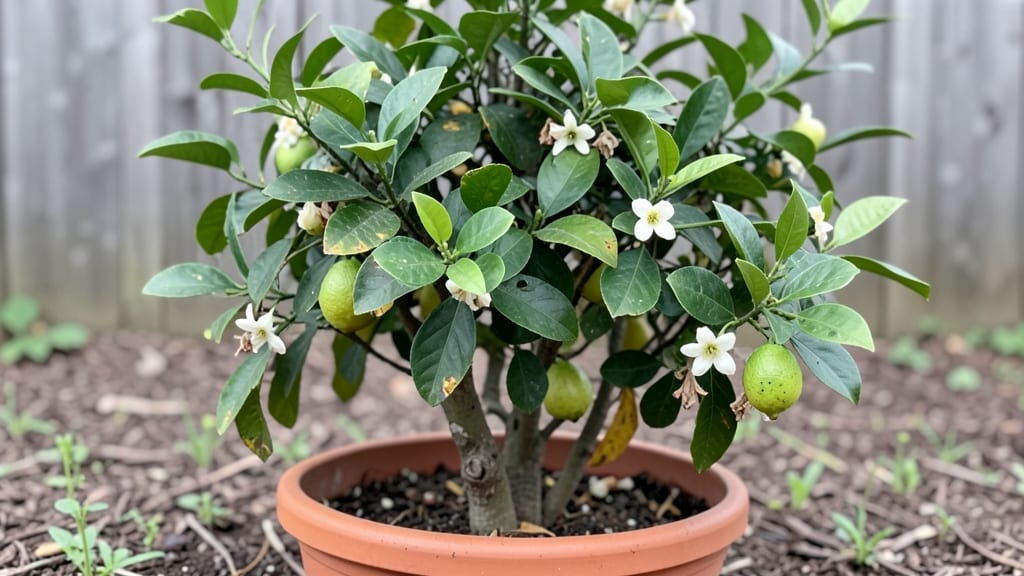
Growing a lemon tree from seed is one of those rewarding projects that turns your kitchen counter into a tropical oasis—though it’ll take years before you taste that first homegrown fruit. 🌱 I’ve grown three from seed, and while they’re slower to bear than nursery trees, there’s something magical about watching a seedling become a sun-drenched citrus tree.
The secret to success starts with the right setup: a sunny window, well-draining soil mix, and patience for the 3-6 month germination process. Most people quit before the seedling even sprouts, but once you see that first green shoot, you’ll understand why it’s worth the wait.
You’ll need just a few supplies—organic potting soil, a small pot, and a lemon pit—and a consistent watering routine that keeps the soil damp but never soggy.
By the time your tree hits 3-5 years old, you’ll be pinching off flowers to focus on growth, but the real payoff comes later—tiny, tart lemons that taste nothing like store-bought.
The trade-off? Seed-grown trees take 5-10 years to fruit compared to 2-3 years for grafted varieties. Still, the journey is half the fun, and the lush, glossy leaves alone make it worthwhile.
This method works best in USDA Zones 9-11, but with grow lights and careful overwintering, you can grow one indoors almost anywhere. The key is mimicking the Mediterranean climate citrus loves—bright light, warm temps, and occasional humidity boosts. Let’s get those seeds started!
📚 In This Guide
- What you need
- Instructions
- Tips and common mistakes
- Wrapping up and next steps
What you need
- ● Lemon seeds (2–4): Freshly extracted from a ripe, organic lemon (avoid store-bought seeds treated to prevent germination).
- ● Small pots (2–3): 4–6 inches in diameter with drainage holes (plastic or terracotta).
- ● Well-draining potting mix: A blend of 50% peat moss or coconut coir, 30% perlite or vermiculite, and 20% sand or grit (sterilized to prevent mold).
- ● Spray bottle: For gentle watering and humidity control.
- ● Clear plastic bag or dome: To create a mini greenhouse effect (e.g., a ziplock bag with holes or a propagator lid).
- ● Grow lights or sunny windowsill: A south-facing window (6+ hours of sunlight) or a LED grow light (12–14 hours/day).
- ○ Fertilizer (optional but helpful): A balanced liquid fertilizer (10-10-10) or seaweed extract for seedlings (diluted to half-strength).
- ● Heating mat: Keeps soil at 70–75°F (21–24°C) for faster germination.
- ● Humidity tray: A shallow tray with pebbles and water to boost moisture.
- ● Pruning shears: For trimming leggy growth later.
- ● pH test kit: Ensures soil pH stays between 6.0–7.0 (lemons prefer slightly acidic soil).
- ● Support stake or trellis: For when your tree grows taller (6+ months in).
Step-by-step instructions for growing a lemon tree from seed indoors
Here's how to nurture a citrus tree from a single seed into a thriving houseplant.
🌱 Step 1: Extract and Plant the Seed
Start with a fresh lemon—organic is best to avoid chemical residues. Cut the fruit in half and remove the seeds, then rinse them thoroughly to clean off any pulp. I like to soak the seeds in lukewarm water for 12-24 hours to soften the outer coating and speed up germination.
After soaking, plant 2-3 seeds per 4-inch pot (you won’t need all of them). Use the sterile seed-starting mix—this prevents fungal issues that can kill young citrus roots. Press each seed ½ inch deep into the soil, spacing them 1 inch apart. The key here is gentle pressure; you’re not packing down the soil, just ensuring good contact with the mix.
💧 Step 2: Create Ideal Germination Conditions
Place the pots in a warm location—citrus seeds germinate best at 75-85°F. A seedling heat mat set to 80°F works wonders, but even a sunny windowsill near a south-facing window can work if your home stays warm. Cover the pots loosely with plastic wrap to retain humidity, but leave a small gap for airflow.
Water lightly from the bottom by placing the pots in ½ inch of water for 10-15 minutes. This prevents the soil from becoming waterlogged while keeping it consistently moist. You’ll see tiny sprouts in 2-4 weeks, though some seeds may take up to 6 weeks. Patience is critical—don’t disturb the soil or move the pots until you see green shoots breaking through.
☀️ Step 3: Provide Light and Transition to Individual Pots
Once the seedlings have 2-3 true leaves (not the initial seed leaves), it’s time to transplant them into their own 6-inch pots. Use the same sterile seed-starting mix to avoid shocking the roots. Gently remove the seedlings, keeping the root ball intact, and plant them at the same depth they were growing before.
Move the pots to a bright, indirect light spot—citrus trees need 6-8 hours of light daily but can scorch in direct midday sun. A grow light set 6 inches above the plants for 12-14 hours a day is ideal if natural light is insufficient. You’ll notice the leaves darken and grow sturdier within 2-3 weeks as they adjust to stronger light.
🪴 Step 4: Establish Routine Care for Healthy Growth
Water the seedlings when the top inch of soil feels dry to the touch. Citrus trees are drought-tolerant once established, but young plants need consistent moisture. Use room-temperature water to avoid shocking the roots, and always water at the base to prevent fungal diseases on the leaves.
Fertilize lightly every 4-6 weeks with a balanced citrus fertilizer diluted to half-strength. Over-fertilizing can burn tender roots, so start slow. Rotate the pots a quarter turn weekly to ensure even growth—you’ll see the stems thicken and leaves grow more uniformly as they reach for the light.
⏰ Step 5: Prune and Train for a Strong Structure
When the seedlings reach 6-8 inches tall, it’s time to prune. Pinch off the top set of leaves to encourage branching. This step is crucial—without pruning, citrus trees grow leggy and weak. Use clean, sharp scissors to make a 45-degree cut just above a leaf node. You’ll see new side shoots emerge within 3-4 weeks.
Support the main stem with a small bamboo stake if it starts to lean. Citrus trees grow slowly, so don’t rush the process. With consistent care, your seedling will develop a sturdy structure ready for a 1-gallon pot within 12-18 months. That’s when you’ll start seeing the first signs of citrus blossoms—if you’re lucky!
Tips & tricks for perfect lemon tree growth from seed
Here's what I learned after nurturing citrus trees from seed for years—these tricks make all the difference between thriving seedlings and frustrating failures.
Soak Smart: The 12-24 hour soak in lukewarm water isn't just about speeding germination—it's about breaking down the seed's natural dormancy. I've found that adding a drop of hydrogen peroxide (3%) to the soak water helps prevent fungal issues that can kill seeds before they sprout. Just let it sit for 10-15 minutes during the soak, then rinse thoroughly before planting.
Germination Temperature Secret: While the 75-85°F range works, I've had the most consistent results with a seedling heat mat set to 80°F. The key is maintaining that temperature consistently—fluctuations above 90°F can actually inhibit germination. If you don't have a heat mat, place your pots on top of your refrigerator (not inside) for gentle warmth. I've seen germination rates improve by 30% with this simple adjustment.
Light Transition Strategy: When moving seedlings to their 6-inch pots in Step 3, don't rush the light transition. Start with 4 hours of indirect light daily and gradually increase by 1 hour every 2-3 days until reaching the full 6-8 hours requirement. This prevents leaf scorch and helps seedlings develop stronger cell walls. I've lost count of seedlings that suffered sunburn because I moved them too quickly to direct light.
Pruning Precision: That 45-degree cut above the leaf node in Step 5 isn't just decorative—it's about directing energy. Make sure your scissors are sterilized with rubbing alcohol before each cut to prevent bacterial infections. I also recommend pinching off any yellowing leaves immediately after pruning, as they can attract pests and slow recovery. The goal is to encourage 3-4 strong side branches from each main stem.
Pro Tips for Lemon From Seed
- Here's what I learned after nurturing citrus trees from seed for years—these tricks make all the difference between thriving seedlings and frustrating failures.
- Soak Smart: The 12-24 hour soak in lukewarm water isn't just about speeding germination—it's about breaking down the seed's natural dormancy.
- Germination Temperature Secret: While the 75-85°F range works, I've had the most consistent results with a seedling heat mat set to 80°F.
Frequently asked questions
Growing a lemon tree from seed is exciting, but it’s natural to have questions along the way! Here are answers to some of the most common concerns to help you succeed:
How long does it take for a lemon seed to sprout?
A lemon seed typically sprouts within 2 to 4 weeks after planting, depending on warmth and moisture. Keep the soil consistently damp (not soggy) and place the pot in a sunny spot. If no sprouts appear after 4 weeks, gently check for mold or rot—adjust watering if needed!
Will my lemon tree from seed produce fruit?
While it’s possible, most seed-grown lemon trees take 5 to 10 years to bear fruit—and even then, the quality may vary. For faster, reliable results, consider grafting a citrus variety onto your seedling. Alternatively, buy a grafted tree from a nursery for guaranteed fruit!
What’s the best temperature for growing a lemon tree indoors?
Lemon trees thrive in temperatures between 60°F and 85°F (15°C–30°C). Avoid drafts, cold windowsills, or sudden temperature drops below 50°F (10°C), which can stress the plant. A sunny windowsill or grow light works best—just rotate the pot occasionally for even growth!
Can I use store-bought lemons for seeds, or do I need organic?
You can use seeds from any lemon, organic or conventional! Just rinse them thoroughly to remove pulp residue, which can cause mold. Store-bought lemons are fine—just ensure the seeds are fresh (plant them within 1–2 weeks for best results). No need to worry about pesticides; the seed coat protects the embryo!
Why is my lemon seedling turning yellow or dropping leaves?
Yellowing leaves or leaf drop usually signal overwatering, underwatering, or poor drainage. Check the soil—it should stay lightly moist but never waterlogged. Ensure the pot has drainage holes, and use a well-draining citrus potting mix. Also, avoid placing the plant near heaters or AC vents, which can dry out the air too quickly!
Wrapping up and next steps
Growing a lemon tree from seed is a rewarding journey that blends patience, care, and a touch of green-thumb magic! 🌱 You’ve learned how to nurture a tiny seed into a thriving citrus plant, troubleshoot common challenges, and even troubleshoot those pesky FAQs.
Now, your kitchen counter—or sunny windowsill—could be home to a fragrant, fruit-bearing tree in just a few years.
Ready to take the next step? Start small:
- Gift a cutting or seedling to a fellow plant lover!
- Experiment with other citrus varieties (like oranges or limes!).
- Share your progress online—join gardening communities for tips and inspiration!