Vegetables
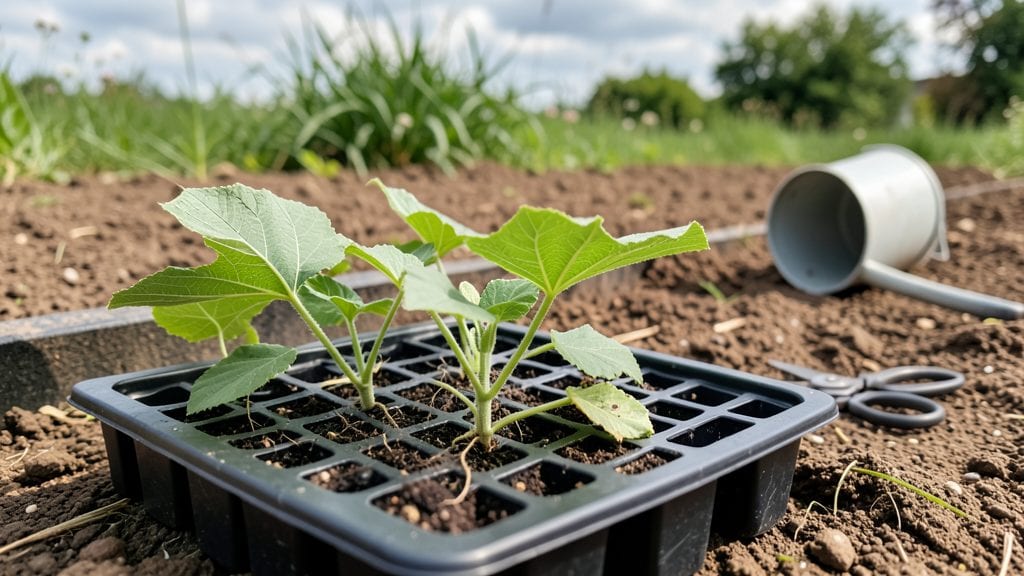
Luffa gourd seedlings pop up in 7 days—no cold treatment needed. 🌱 I’ve watched these tropical vines go from soil to sprouts faster than any other plant in my greenhouse, and the secret is simpler than you’d think.
Most gardeners assume luffas need weeks to germinate, but with the right warmth and moisture, they’ll surprise you with speedy growth.
The trick starts with 80-90°F soil—luffas crave heat, so I use a heat mat or place them near a sunny window. You’ll need well-draining potting mix (no compost-heavy blends) and a shallow tray to keep humidity high.
No fancy equipment—just a warm spot, patience, and a spray bottle for consistent moisture. Once they sprout, they’ll grow 2-3 inches per day if conditions are right.
By day 10, you’ll have sturdy seedlings ready for transplanting into 5-gallon containers or directly into warm soil. These aren’t delicate plants—they’ll climb 15+ feet with proper support, and their rough, sponge-like fruit will outlast any store-bought loofah.
The key is keeping them warm, watered, and out of drafts until they’re established.
Even in cooler climates, luffas thrive as annuals—just give them 6+ hours of sunlight and a trellis. Troubleshooting is easy: yellow leaves mean too much water, and slow growth usually means it’s too cold.
Stick with me, and you’ll have harvest-ready vines by midsummer, ready to turn into natural sponges or decorative dried gourds.
📚 In This Guide
- What you need
- Instructions
- Tips and common mistakes
- Wrapping up and next steps
What you need
- ● Luffa gourd seeds: 5–10 seeds (organic, non-GMO preferred for best results).
- ● Seed-starting mix: 1–2 gallons of sterile, well-draining potting soil (avoid garden soil—it may harbor pests!).
- ● Containers: 4–6 small pots (3–4 inches deep) or a seed tray with cell inserts (for better humidity control).
- ● Watering can or spray bottle: With a fine mist nozzle for gentle hydration.
- ● Plastic wrap or humidity dome: To create a mini greenhouse effect and speed up germination.
- ● Grow lights or sunny windowsill: Luffa seedlings thrive in warmth (70–90°F) and bright light (12+ hours/day).
- ● Heating mat: Keeps soil warm (80–90°F) to jumpstart germination in just 7 days!
- ● pH test kit: Ideal soil pH for luffa: 6.0–6.8.
- ● Fertilizer (mild): Balanced 10-10-10 or compost tea after sprouts appear.
- ● Pruning shears: For trimming leggy seedlings later.
- ● Notebook/pencil: To track seedling progress and watering schedules.
- ● Warmth: Luffa seeds hate cold—keep your growing space above 60°F.
- ● Patience (but not too much!): Germination happens fast—usually 3–7 days.
- ● Space: Luffa vines grow 10–20 feet long—plan for vertical support (trellis or cage) before transplanting.
Step-by-Step instructions for fast luffa gourd germination
Skip the slow, traditional methods—these steps get your luffa seedlings popping in just 7 days.
🌱 Step 1: Soak Seeds Overnight for Maximum Speed
Luffa seeds have a tough outer shell that slows germination. Place 4 seeds in a bowl of warm water and let them soak for 12 hours. You'll see the water turn slightly cloudy as the seeds absorb moisture and soften their protective coating—this is your signal they're ready.
After soaking, drain the water and wrap the seeds in a damp paper towel. Fold the towel to create a cozy, humid environment. Place it inside a sealed plastic bag and store it in a warm spot (75-85°F), like on top of your fridge or near a sunny window. Check daily—you should see tiny white roots within 24-48 hours.
💧 Step 2: Plant Pre-Sprouted Seeds in Warm, Moist Soil
Fill a 4-inch deep seed tray or small pots with well-draining potting mix. Press the soil down gently to remove air pockets, then create ½-inch deep holes using your finger. Place one sprouted seed in each hole, with the root pointing downward and the seed coat facing upward.
Cover the seeds lightly with soil, leaving just the tip exposed. Mist the surface with a spray bottle until the soil feels evenly damp but not soggy. Place the tray in a warm, dark location (like a seedling heat mat set to 80°F) for 3-4 days. This mimics tropical conditions and encourages fast root development.
☀️ Step 3: Provide Bright Light and Humidity for Rapid Growth
Once the first true leaves appear (usually 3-5 days after planting), move the seedlings to a bright, indirect light source. A south-facing window or a grow light 4-6 inches above the plants works best. You'll know they're getting enough light when the leaves are deep green and compact—no leggy stretching.
Keep the soil consistently moist by watering at the base when the top ½ inch feels dry. Avoid wetting the leaves to prevent fungal issues. If humidity drops below 60%, place a humidity dome or mist the seedlings lightly twice daily. Strong, healthy seedlings will show first true leaves within 7 days.
✂️ Step 4: Thin and Harden Off for Outdoor Success
If you planted multiple seeds per pot, thin the seedlings to the strongest one per container once they reach 2 inches tall. Use scissors to snip the weaker stems at soil level—this prevents disturbing the roots of the remaining plant. After thinning, let the soil dry slightly between waterings to strengthen the root system.
Begin hardening off the seedlings 10 days before transplanting by placing them outside in a shaded, sheltered spot for 1-2 hours the first day. Gradually increase their outdoor time over 5-7 days, exposing them to morning sun first to avoid scorching. Once they tolerate 6+ hours of sun without wilting, they're ready for the garden.
Tips & tricks for perfect luffa gourd germination
Here's what I learned after perfecting these steps to get your luffa seedlings ready in record time—no cold stratification needed.
Warm Water Matters: For the 12-hour soak in Step 1, use water that's 85°F—just warm enough to feel comfortable in a bath. Too hot (above 95°F) can damage the seeds, while lukewarm water (70°F) slows the softening process. I use a thermometer to check, but you can test with your wrist—it should feel pleasantly warm, not scalding.
Humidity Hack: After wrapping the soaked seeds in a damp paper towel, place them in a sealed plastic bag with a few drops of water on the bottom. This creates a mini greenhouse effect that maintains 90%+ humidity—critical for breaking through that tough outer shell. I poke tiny holes in the bag if condensation builds up too much, which can suffocate the seeds.
Light Timing Secret: In Step 3, when you move seedlings to bright light after 3-5 days, use a grow light on a timer set for 12 hours of light/day. This mimics natural daylight cycles and prevents leggy growth. If using natural light, rotate the tray daily so all seedlings get even exposure—uneven light causes them to stretch toward the brightest side.
Soil Temperature Tip: Maintain the 80°F soil temperature from Step 2 by using a seedling heat mat underneath your tray. Most luffa seeds won't germinate below 75°F, and growth slows dramatically below 70°F. I place my heat mat on a thermostat to ensure consistent warmth—this is especially important if your home runs cool.
Pro Tips for Luffa Gourd Seedling
- Here's what I learned after perfecting these steps to get your luffa seedlings ready in record time—no cold stratification needed.
- Warm Water Matters: For the 12-hour soak in Step 1, use water that's 85°F—just warm enough to feel comfortable in a bath.
- Humidity Hack: After wrapping the soaked seeds in a damp paper towel, place them in a sealed plastic bag with a few drops of water on the bottom.
Frequently asked questions
Got questions about growing luffa gourd seedlings? You’re not alone! Here are some of the most common queries—plus quick, actionable answers to get your luffa off to a fast, healthy start.
How soon will luffa gourd seeds sprout?
With the right conditions (warmth, moisture, and indirect light), luffa seeds typically germinate in 5–7 days. For fastest results, soak seeds overnight in warm water before planting. Avoid overwatering—keep soil damp but not soggy to prevent mold.
Do luffa seeds need cold stratification?
Nope! Luffa gourds thrive in warm soil (70°F+) and don’t require cold stratification. In fact, chilling seeds can slow germination. Plant them in well-draining soil after the last frost when night temps stay above 60°F for best success.
What’s the best way to transplant luffa seedlings?
Wait until seedlings have 2–3 true leaves and are at least 4–6 inches tall. Harden them off for 3–5 days by placing them outdoors in shade before transplanting. Space plants 3–5 feet apart in full sun, and bury stems slightly deeper than in pots to encourage root growth.
Why aren’t my luffa seedlings sprouting?
Check these common culprits:
- Cold soil: Luffas need warmth—use a heat mat if temps dip below 60°F.
- Damp soil: Overwatering suffocates seeds. Let the top inch dry between waterings.
- Old seeds: Store-bought seeds lose viability after 2–3 years. Test viability by soaking a few in water—sinkers are good!
Can I grow luffa indoors?
Luffas are vining plants that need 6–10 feet of vertical space and full sun (6+ hours daily). While you can start seedlings indoors, they’ll need a trellis or strong support and a sunny windowsill or grow lights. For best results, transplant outdoors once warm weather arrives.
Wrapping up and next steps
Growing luffa gourd seedlings in just 7 days—without cold stratification—is not only possible but also incredibly rewarding! 🌱 With the right materials, a little patience, and these proven techniques, you’ll be well on your way to harvesting your own natural sponges or fresh vegetables.
Whether you’re a seasoned gardener or a curious beginner, this method makes it simple and fun.
Now that you’re armed with the knowledge, take the next step—grab those seeds, set up your mini greenhouse, and watch your luffa gourds thrive! Share your progress with fellow plant enthusiasts or experiment with different growing conditions. Happy planting! 🌿