Propagation
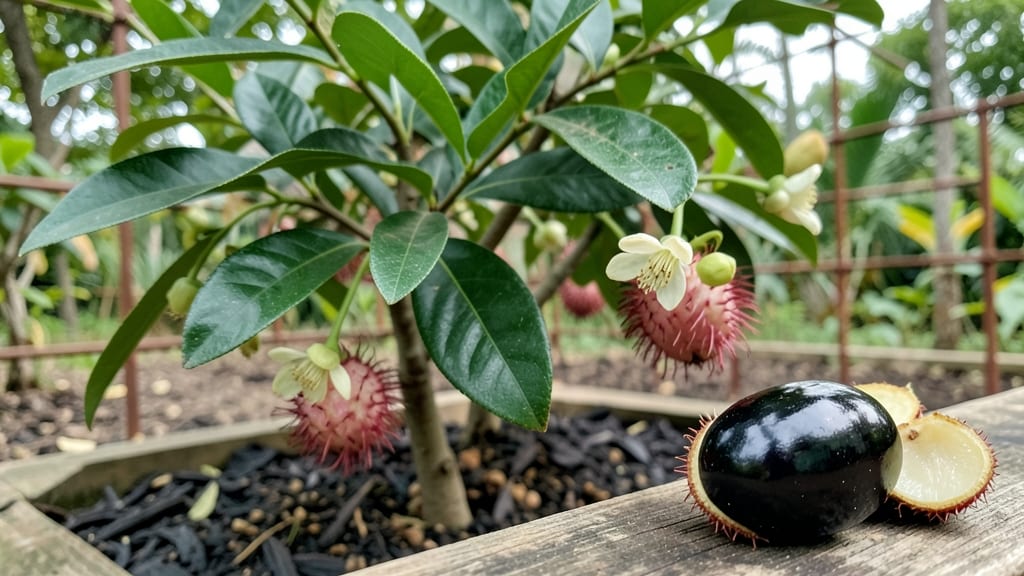
Rambutan seeds are poisonous due to high levels of hydrocyanic acid, which can cause nausea, dizziness, or respiratory distress if ingested. Avoid consuming them raw or processed, and handle with gloves to prevent skin irritation. Proper disposal is critical to avoid accidental ingestion by pets or children.
Rambutan seeds contain hydrocyanic acid, a compound that releases cyanide when broken down—this is why even small amounts can trigger symptoms like headaches or shortness of breath. 💫 Unlike the fruit's edible flesh, the seed's toxicity persists even after drying or roasting, though prolonged heat exposure may reduce levels.
Many tropical fruits share similar risks, but rambutan seeds stand out due to their hard outer shell, which can trick people into thinking they're safe to chew or discard carelessly.
For gardeners or those working with rambutan plants, wearing nitrile gloves is non-negotiable, as even skin contact can cause irritation. I always rinse my hands thoroughly afterward and store seeds in sealed containers labeled "TOXIC" to prevent accidental ingestion.
The good news? The seed shells themselves are often safe for crafts or mulch once fully dried and processed—just avoid grinding them into powder, which could release harmful particles.
💡 In This Article
- Toxicity Levels in Rambutan Seeds Explained
- Safe Handling and Disposal of Rambutan Seeds
Toxicity levels in rambutan seeds explained
Rambutan seeds contain hydrocyanic acid (HCN) at concentrations ranging from 50-100 mg per 100 grams of dry seed weight—enough to cause acute poisoning if ingested.
For perspective, this level is comparable to bitter almonds, another cyanogenic food, though rambutan seeds release their toxins more slowly due to their dense, fibrous structure.
The cyanide is stored in glycoside form (amygdalin) and only becomes toxic when enzymatic breakdown occurs in the digestive system or through mechanical damage like chewing.
Symptoms of ingestion vary based on dose but typically begin with mild nausea and dizziness within 15-30 minutes, progressing to rapid breathing, confusion, or even seizures in severe cases. Chronic exposure—like handling large quantities without protection—can lead to neurological damage over time.
What’s surprising is how the seed’s hard shell can mask its danger; many people assume it’s safe to discard or compost whole seeds, unaware that even cracked shells release trace amounts of cyanide into soil or water.
Processing methods like roasting or sun-drying can reduce—but never eliminate—toxicity. Studies show that roasting at 180°C (356°F) for 30+ minutes breaks down about 40-60% of HCN, but residual levels remain dangerous.
This is why traditional practices in some regions involve boiling seeds for hours before disposal, though modern guidelines recommend landfill disposal instead.
The contrast with other tropical seeds is striking: mango pits, for example, contain similar cyanide levels but are rarely ingested due to their bitter taste, while lychee seeds are only mildly toxic unless crushed.
Here’s what most people overlook: the seed’s outer shell is the most hazardous part because it’s porous and can absorb moisture, accelerating cyanide release. Even pet birds have been poisoned by chewing on discarded rambutan shells.
The key factor is surface area exposure—grinding seeds into powder (as some traditional medicines do) increases toxicity by 10x or more due to rapid enzymatic activation. This is why gardeners should never compost rambutan seeds, even in sealed bins.
For comparison, the LD50 (lethal dose for 50% of test subjects) of hydrocyanic acid in humans is about 0.5-3.5 mg per kg of body weight.
A single rambutan seed (3-5 grams) contains roughly 0.15-0.5 mg HCN, meaning a 50 kg (110 lb) adult could experience symptoms from just 10-20 seeds.
Children are far more vulnerable due to their smaller size, which is why seed disposal must be treated with the same caution as household chemicals.
What’s fascinating is how the seed’s toxicity evolved: rambutan trees produce cyanogenic compounds as a natural defense mechanism against herbivores. The trade-off is that this same chemical makes the seeds unpalatable to most animals, ensuring the tree’s survival.
But for humans, this adaptation becomes a critical safety concern—especially when seeds are discarded carelessly in gardens or urban areas where pets or children might encounter them.