Landscaping
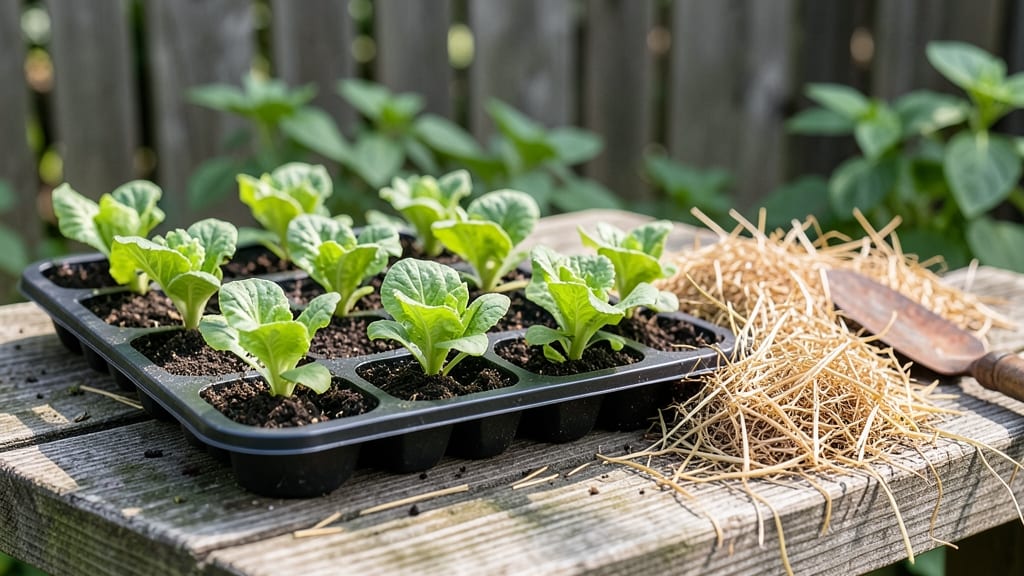
Using mulch for seedlings creates a protective barrier that locks in moisture, stabilizes soil temperatures, and blocks weeds while shielding tender roots from damage. Organic choices like straw or shredded leaves decompose gradually, while plastic mulch offers stronger weed control but requires careful removal.
Mulch acts like a living blanket for your young plants, slowing water evaporation so roots stay hydrated even during hot days. 🌱 The right type depends on your seedlings' needs—delicate herbs benefit from fine organic mulch, while hearty vegetables can handle thicker bark.
I’ve found that a 1-2 inch layer works best for most plants, but always keep it a few inches away from stems to prevent rot. The key is balance: too much can smother growth, while too little leaves roots exposed to stress.
Organic mulches also improve soil health over time by adding nutrients as they decompose, while inorganic options like plastic focus purely on weed suppression. For seedlings, I recommend starting with organic mulch—it’s gentler on emerging roots and easier to adjust as plants grow.
Just remember to refresh mulch every few weeks to maintain its protective properties.
💡 In This Article
- How Mulch Protects Seedlings from Environmental Stress
- Best Mulch Types for Seedlings by Plant Stage
How mulch protects seedlings from environmental stress
Mulch creates a microclimate around seedlings by reducing water loss through evaporation—up to 70% less—by forming a physical barrier that slows moisture escape.
The science here involves capillary action: water molecules cling to soil particles, but mulch disrupts this process by shading the soil surface and trapping humidity near the roots.
This is especially critical for seedlings, whose shallow root systems can dry out in just 2-3 hours under direct sun. 🔥 For example, bare soil loses moisture at a rate of about 0.1 inches per day in summer, while mulched soil retains nearly 90% of that moisture.
Temperature regulation works through insulation—organic mulches like straw or wood chips act as natural thermal buffers, keeping soil 5-10°F cooler during heatwaves and 5-15°F warmer during frosts.
Inorganic mulches, such as black plastic, create a greenhouse effect by absorbing sunlight, which can raise soil temps by 15-20°F—ideal for extending growing seasons but risky for heat-sensitive seedlings.
The key difference lies in heat conductivity: organic mulch allows gradual temperature shifts, while plastic creates abrupt spikes that can stress young roots.
Weed suppression happens through light deprivation—most weeds need sunlight to germinate, and mulch blocks 90-95% of light from reaching the soil. Organic mulches also smother existing weeds by physically blocking their access to air and nutrients.
For instance, a 2-inch layer of straw can suppress 80% of weed growth compared to bare soil. However, inorganic mulches like landscape fabric or plastic are far more aggressive, preventing nearly 100% of weed emergence—but they also trap heat and require careful handling to avoid damaging seedlings. ✨
Root protection comes from two mechanisms: erosion prevention and physical shielding. Organic mulch stabilizes soil structure, reducing wind and water erosion that can expose delicate roots. It also cushions roots from temperature extremes—sudden cold snaps or heatwaves can kill seedlings in hours, but mulch acts as a buffer.
Inorganic mulches, while excellent at weed control, offer little protection against mechanical damage (like foot traffic) and can even trap excess moisture, leading to rot if not managed properly.
Soil microbial activity differs dramatically between organic and inorganic mulches. Organic materials like shredded leaves or grass clippings decompose over time, feeding beneficial microbes and improving soil fertility. This process releases nutrients slowly, creating a 20-30% increase in soil organic matter within a season.
In contrast, inorganic mulches provide no nutritional benefits—they’re purely functional, focusing on moisture and weed control without altering soil chemistry. For seedlings, this means organic mulches not only protect but also nourish, while inorganic options are a short-term solution for high-weed areas.
Here’s what most gardeners overlook: mulch thickness matters. A layer that’s too thin (less than 1 inch) fails to provide adequate protection, while too thick (over 3 inches) can suffocate roots and attract pests.
The sweet spot is 1.5-2 inches for most seedlings, adjusted based on plant type—delicate herbs need lighter coverage, while hearty vegetables like tomatoes can handle thicker layers. Always keep mulch 2-3 inches away from stems to prevent rot and encourage strong root development. 💫