How To
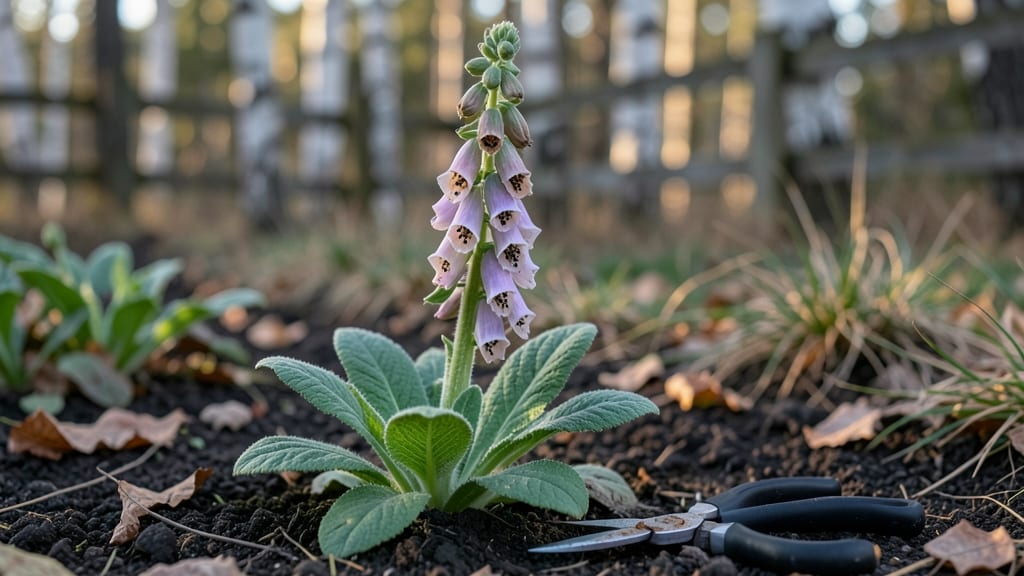
Harvesting foxglove seeds at the right moment turns a beautiful spring bloom into a long-term garden asset—but miss the window, and you’ll end up with seeds that won’t sprout.
Picture this: you’ve waited all season for your 🌸 foxglove to flower, and now the seed pods are forming. But how do you know when they’re truly ready?
One wrong move, and you could ruin weeks of growth. The key is catching them at peak ripeness—when the pods turn brown and split open naturally.
Timing matters because foxglove seeds need to dry properly to germinate well. Harvest too early, and they won’t sprout; too late, and they scatter in the wind.
Below, I’ll walk you through the exact steps to collect, dry, and store seeds for strong germination—plus how to avoid common mistakes that waste your effort.
By the end, you’ll know exactly when to harvest, how to handle the seeds safely (yes, foxglove is toxic!), and the best way to store them until planting season. Ready to turn those dry pods into next year’s showstopper flowers?


When to harvest foxglove seeds: identifying the perfect ripe stage
Timing your foxglove seed harvest is critical for viable germination. These biennial plants produce seeds only after their first-year flowering, so patience is key. Miss the window, and you risk collecting immature or non-viable seeds.
The ideal moment arrives when seed pods turn brown and begin splitting open naturally—usually 6-8 weeks after flowering.
Foxglove thrives in USDA Zones 4-8, but your local climate dictates exact timing. In cooler northern regions, pods may ripen as early as late August, while warmer southern zones often see readiness by mid-October.
Always monitor pods daily during peak ripening season to avoid missing this fleeting window.
Weather plays a surprising role in seed ripeness. Dry, sunny conditions accelerate pod drying, while humid or rainy weather can delay maturity or cause mold. If rain is forecasted, harvest pods 2-3 days early to prevent spoilage. Even slight overripeness can reduce seed viability, so stay vigilant.
Visual cues are your best friends when identifying ripe foxglove seeds. Look for brown, papery pods that rattle when shaken—this indicates dry seed chambers. The pods should split open easily to reveal dark brown, plump seeds. Avoid harvesting if pods remain green or firm, as seeds inside won’t be ready.
Here’s how to recognize the perfect ripe stage at a glance:
summary-table
Stage
Pod Color
Texture
Seed Condition
Action
Unripe
Green
Firm, closed
Light-colored, shriveled
Wait
Ripening
Brownish-green
Slightly dry, beginning to split
Darkening, plumping
Monitor daily
Ripe
Dry brown
Papery, splits open
Dark brown, plump
Harvest immediately
Overripe
Grayish-brown
Brittle, crumbling
Dry, shriveled
Avoid
Seasonal variations mean your harvest timing may shift yearly. In Zone 5 or colder, aim for late September harvests, while Zone 7-8 gardeners should watch for ripe pods in October.
Early frosts can ruin unharvested pods, so prioritize collection if temperatures drop unexpectedly. Always harvest on dry mornings to prevent mold during drying.
Never harvest seeds from wilted or diseased plants, as this can compromise viability. Foxglove is toxic, so wear gloves when handling pods and seeds. Even ripe seeds should be stored in sealed containers away from pets and children. Proper handling ensures both your safety and seed quality.
If you miss the harvest window, don’t despair—foxglove seeds can remain viable for 2-3 years when stored correctly. However, fresh seeds always germinate best, so timing remains your best strategy. Mark your calendar for 6-8 weeks post-flowering each year to stay ahead of the ripening curve.
Pro tip: Place a white sheet under foxglove plants as pods ripen. The contrasting color makes it easier to spot fallen seeds, ensuring you don’t miss any that drop naturally. This simple trick can double your seed yield with minimal effort.
Understanding these visual and seasonal cues transforms guesswork into a precise science. With practice, you’ll recognize the perfect ripe stage with confidence—setting the stage for a successful germination season ahead. 🌾
Step-by-step foxglove seed harvesting process for maximum viability
Harvesting foxglove seeds requires patience and precision to ensure high germination rates. Once your seed pods reach maturity, follow these steps to collect seeds without damaging their viability. The key is to work quickly and carefully to avoid mold contamination and maintain seed quality.
You’ll need just a few harvesting tools: clean scissors or pruners, a paper bag or envelope for collection, and a dry, well-ventilated area for drying. Avoid using plastic containers, as they trap moisture and encourage mold growth. Always wear gloves—foxglove is toxic, and handling seeds can irritate skin.
How to Harvest Foxglove Seeds
-
1Identify mature pods: Look for brown, dry seed pods that rattle when shaken. Avoid green or unripe pods—they won’t yield viable seeds.
-
2Cut pods carefully: Use clean scissors to snip the stem below the pod. Place pods in a paper bag immediately to prevent seed loss.
-
3Dry pods indoors: Spread pods on a paper towel-lined tray in a dry, shaded area for 1-2 weeks. Avoid direct sunlight to prevent overheating.
-
4Extract seeds: Once pods are completely dry, gently squeeze them to release seeds. Discard any pods that feel damp or moldy.
-
5Store seeds properly: Place seeds in a paper envelope or breathable container. Label with the harvest date and store in a cool, dry place.
One common mistake is harvesting seeds too early—green pods won’t yield viable seeds. Similarly, leaving pods too long on the plant can lead to seed loss from wildlife or weather damage. Always harvest when pods are fully brown and dry to the touch.
After drying, test a few seeds by placing them in damp paper towels. If they sprout within 2-3 weeks, your harvest was successful. If not, revisit your drying process—moisture is the enemy of seed viability.
With proper care, your foxglove seeds can last 2-3 years in storage, giving you multiple planting opportunities. Just remember: foxglove is toxic, so keep seeds away from pets and children at all times.