Pests and Diseases
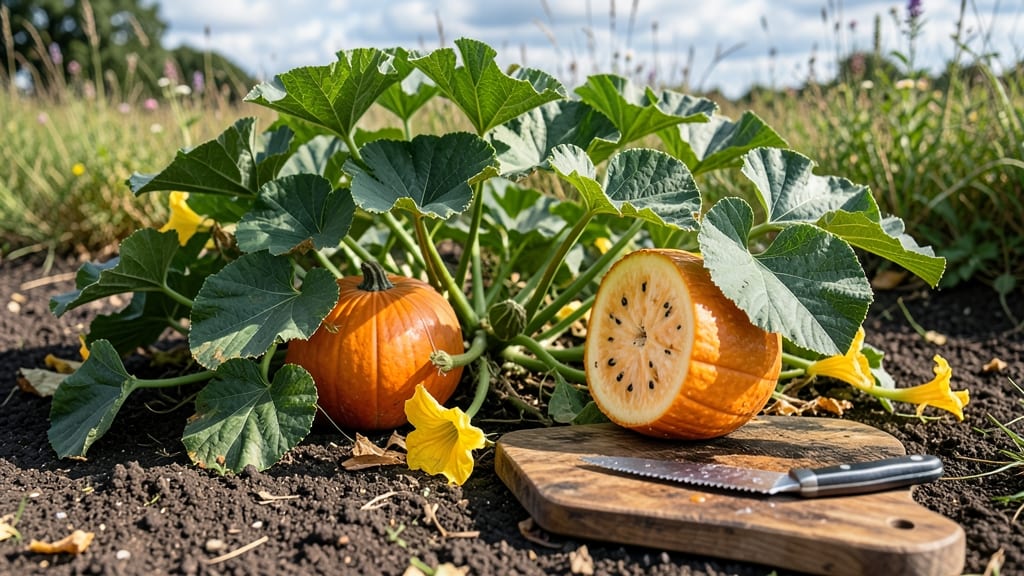
Chickens can eat pumpkin guts and seeds in moderation, as they provide fiber and nutrients, but feed them raw or cooked without seasoning. Avoid moldy or fermented pumpkin, and limit seeds to prevent digestive upset or blockages.
Pumpkin isn't just safe for chickens—it's a nutritional powerhouse when prepared correctly.
The fibrous strings and flesh offer essential vitamins like A and C, while seeds contribute healthy fats and minerals such as magnesium and potassium. 🔥 However, the key lies in portion control: too many seeds can cause digestive issues, and spoiled pumpkin introduces harmful bacteria.
I always recommend serving small amounts as a treat rather than a staple, especially during colder months when chickens need extra energy without overloading their systems.
For best results, remove any seeds from the pumpkin's center before feeding, as they can be choking hazards in whole form. Cooking softens the flesh, making it easier for chickens to digest, while raw pumpkin works well in small, bite-sized pieces.
Always inspect your pumpkin for signs of rot or mold—these can make your flock very sick, so when in doubt, toss it out.
💡 In This Article
- Nutritional Value of Pumpkin Guts and Seeds for Chickens
- Safe Ways to Feed Pumpkin to Chickens: Preparation Tips
Nutritional value of pumpkin guts and seeds for chickens
The fibrous strings and fleshy interior of pumpkin—often called "guts"—are packed with nutrients that directly benefit a chicken's health.
Here's what's actually happening inside your flock when they peck at this seasonal treat: the flesh contains vitamin A (about 2,000 IU per cup), which supports vision and immune function, and vitamin C (around 11 mg per cup) that acts as an antioxidant.
These vitamins work together to strengthen their respiratory systems, especially during cold weather when chickens are more susceptible to infections. 🌟
The pumpkin seeds add another layer of nutrition with their mineral profile. A 1-ounce serving of raw seeds contains roughly 164 mg of magnesium (about 40% of a chicken's daily requirement) and 291 mg of potassium (supporting muscle and nerve function).
The seeds also provide healthy fats (around 15 grams per ounce) that chickens convert into energy, though too much can lead to weight gain.
What most people don't realize is that the fiber in both the guts and seeds (about 3 grams per cup of flesh) acts like a broom for their digestive tract, helping prevent issues like impacted crops—a common problem in chickens fed dry diets.
This nutritional combo translates directly to better egg production. The vitamin A supports yolk formation and shell quality, while potassium helps maintain proper calcium metabolism—critical for strong eggshells.
I've noticed in my own flock that hens produce eggs with thicker shells during months when they have regular access to pumpkin treats. However, the key factor is balance: while these nutrients are valuable, they shouldn't replace a chicken's primary feed.
Think of pumpkin as a supplement rather than a replacement for their balanced diet. ⚡
Moderation becomes crucial because of how chickens process fiber. While the fiber in pumpkin aids digestion, too much at once can cause bloating or even crop impaction—especially in younger chicks whose digestive systems are still developing.
The seeds, in particular, need careful monitoring: their hard shells can become choking hazards if fed whole, and their high fat content can lead to obesity if overfed.
A good rule of thumb is to limit pumpkin treats to 10-15% of their daily diet, with seeds making up no more than 5% of that portion for adult chickens.
Seasonal variations also affect nutritional value. Freshly harvested pumpkin (especially varieties like butternut or sugar pumpkin) contains higher levels of these beneficial compounds than stored pumpkin, which loses vitamin C content over time.
The flesh becomes softer and more digestible when cooked, but loses some water-soluble vitamins like C. For maximum benefit, I recommend serving a mix of raw and lightly steamed pumpkin—this preserves both the vitamin content and the fiber structure that chickens need. 💫
Here's a quick comparison to help visualize the nutritional impact:
- Vitamin A: 1 cup pumpkin flesh = 2,000 IU (supports immune function and feather health)
- Potassium: 1 oz seeds = 291 mg (aids muscle function and egg production)
- Fiber: 1 cup flesh = 3 g (promotes gut motility and prevents impaction)
- Magnesium: 1 oz seeds = 164 mg (supports nerve function and calcium absorption)
The science behind this involves how chickens metabolize these nutrients differently than humans. Their shorter digestive tracts mean they process fiber more quickly, which is why we see benefits from pumpkin's fiber content within just 24-48 hours of feeding.
The vitamin A gets converted to retinal in their livers, while the potassium helps regulate their electrolyte balance—critical for active hens laying multiple eggs per week. 🌟