Fertilization
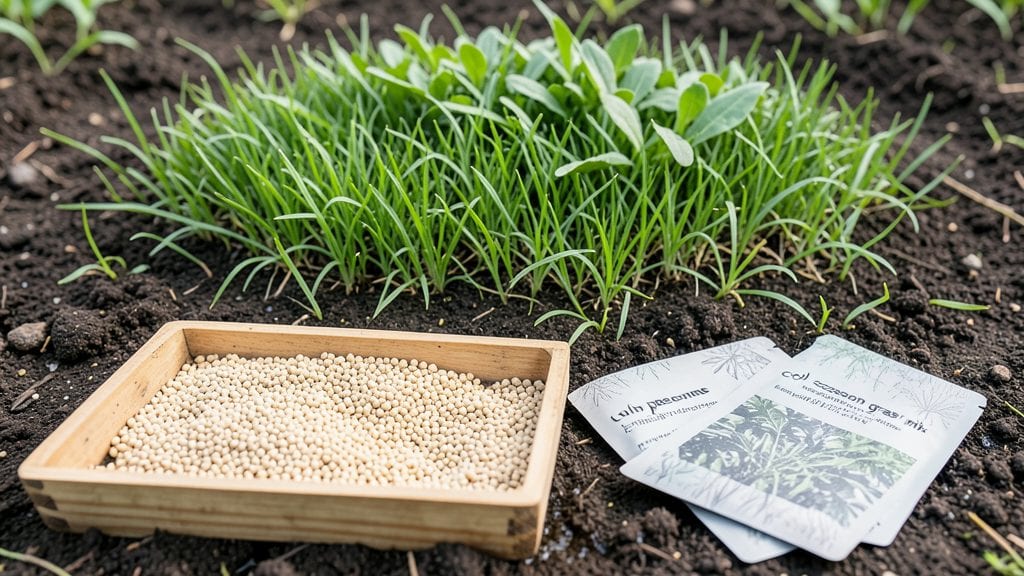
To seed and fertilize lawn in spring, timing depends on your climate zone: cool regions (zones 3-7) should seed in early spring (March-April) and fertilize 4-6 weeks later, while warm regions (zones 8-10) wait until late spring (May-June) for seeding and fertilize after germination. Soil temperatures of 60-75°F are ideal for seeding, and fertilizer timing varies by grass type and regional growing seasons.
Getting the timing right for spring lawn care means understanding your local climate patterns and grass type.
Cool-season grasses like Kentucky bluegrass thrive when seeded in early spring, while warm-season grasses such as Bermuda prefer late spring planting. 🌱 I always check soil temperatures with a simple probe—if it's below 60°F, the seeds won't germinate properly.
For fertilizing, I recommend a balanced slow-release formula for cool-season lawns, while warm-season grasses benefit more from a high-nitrogen starter fertilizer after germination.
Here's a pro tip: if your spring is unpredictable, use your average last frost date as a guideline. For cool climates, seed 4-6 weeks before the first frost; in warm zones, wait until soil stays consistently above 70°F for three days.
And remember—over-fertilizing can burn young seedlings, so always follow the recommended rates for your specific grass type.
💡 In This Article
- Spring Lawn Seed and Fertilizer Timing by Climate Zone
- Pre-Seeding Soil Prep and Fertilizer Type Guide
Spring lawn seed and fertilizer timing by climate zone
Here's what actually happens when you seed too early or too late: cool-season grasses like fescue and ryegrass need soil temperatures between 50-65°F to germinate, while warm-season types such as zoysia and St. Augustine prefer 75-85°F.
The key factor is soil warmth—seeds won't sprout if the ground is still cold. In USDA zones 3-7, early spring (March-April) gives seeds time to establish before summer heat arrives, while zones 8-10 wait until May-June when soil consistently stays above 70°F. 🌱
Regional exceptions matter too. The Pacific Northwest's mild springs (like Seattle) allow seeding as early as February, while the Midwest's harsh winters often delay planting until April.
For warm zones, Southern Florida's humid climate demands seeding in late spring to avoid fungal diseases, whereas Arizona's dry heat lets you seed in May without worry. Always check your local last frost average—seed at least 2-3 weeks after the typical date to avoid frost damage.
Fertilizer timing depends on grass type and growth cycles. Cool-season grasses need their first feeding 4-6 weeks after seeding to support root development, while warm-season grasses get fertilized after germination (usually 3-4 weeks post-seeding) to fuel rapid growth.
The science behind this is nitrogen uptake: cool-season grasses absorb nitrogen slowly in spring, while warm-season types need it aggressively when soil warms. 💫
Adjust for early vs. late springs using these rules: if your spring arrives early (soil hits 60°F by February), seed immediately but monitor for frost. Late springs (soil stays cold until May) require patience—wait until soil temps stabilize above 65°F for cool-season grasses or 75°F for warm-season types.
Pro tip: use a soil thermometer (they're cheap!) to track daily temperatures—this eliminates guesswork.
What most people don't realize is how regional microclimates affect timing. Coastal areas stay cooler longer than inland zones, so adjust your schedule accordingly. For example, San Francisco's coastal fog might delay seeding until April, while Sacramento's inland heat allows May planting.
Always factor in your specific location's 30-year frost averages—these are your best guide for consistent results. ✨
For fertilizer, cool-season lawns benefit from a high-phosphorus starter (like 5-10-10) at seeding, followed by a slow-release nitrogen (24-0-5) 6 weeks later. Warm-season lawns need a high-nitrogen starter (30-0-4) after germination, then a balanced fertilizer (16-4-8) in summer.
The difference? Cool-season grasses grow best in cooler months, while warm-season types thrive in heat—this dictates when they need nutrients most.
Final insight: if you're unsure about timing, observe your neighbors' lawns. Healthy, lush growth means they've got their schedule right. And remember—spring seeding is about creating ideal conditions for your grass to thrive, not rushing the process. Patience pays off with a lawn that stays green all season long. 🌿