
Propagation
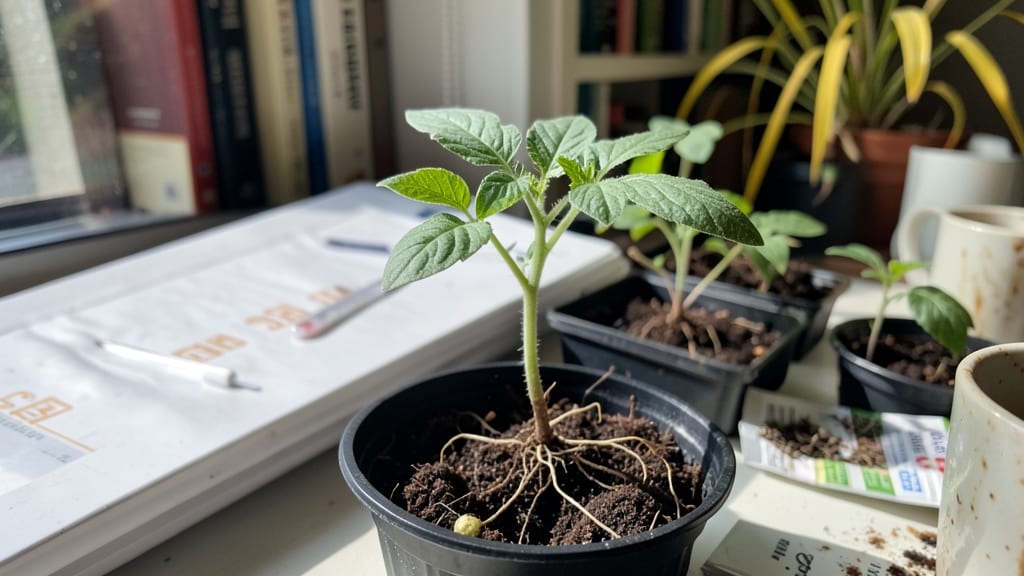
Getting your seedling germination temperature right is the difference between a thriving tray of 🌱 and a sad, empty one.
Struggling with slow or failed seed germination? The secret to faster, stronger seedlings often lies in one simple factor: temperature. Get it wrong, and your seeds may never sprout—get it right, and you’ll see dramatic improvements in growth speed and survival rates.
Most seeds need warmth to break dormancy, but too much heat can cook them, while too little leaves them dormant. Cool-season crops like lettuce thrive at 60-70°F, while tropical plants like peppers demand 75-85°F.
Below, I’ll show you how to dial in the perfect conditions for your seeds—whether you’re using a heat mat, a sunny windowsill, or a DIY greenhouse setup.


Optimal seedling germination temperature ranges by plant type
Understanding the ideal germination temperature for your seeds can transform your seed-starting success rate from hit-or-miss to consistently strong. Each plant species has a specific temperature range where enzymes activate, breaking seed dormancy and encouraging rapid sprouting.
Too cold, and germination stalls; too hot, and seeds may rot before emerging. For example, cool-season crops like lettuce thrive at 50-65°F, while tropical plants like basil need 75-85°F to sprout reliably.
Temperature isn’t just about warmth—it’s about consistency. Fluctuations can confuse seeds, causing them to either fail to sprout or produce weak, leggy seedlings. This is why professional growers use seedling heat mats or greenhouse setups to maintain precise conditions.
Even a 5°F difference can delay germination by days or weeks, depending on the plant. For instance, alpine plants like primrose prefer 55-65°F, while warm-season vegetables like tomatoes need 70-85°F to avoid dormancy.
Here’s the critical insight: most seeds won’t germinate outside their optimal temperature range, but some can tolerate brief deviations. For example, peppers may sprout at 60°F, but they’ll do so 3x slower than at 80°F.
Understanding these thresholds helps you plan your seed-starting schedule and choose the right tools to create the perfect environment.
Let’s break down the temperature requirements by plant type so you can tailor your approach to each seed variety.
🌱
For
How to maintain consistent germination temperatures for faster sprouting
Consistent germination temperatures can transform your seed-starting success from hit-or-miss to reliable and rapid. Many gardeners overlook how critical soil warmth is—especially when starting seeds indoors during chilly months. Even a 5°F fluctuation can delay sprouting by days or prevent germination entirely.
The key lies in creating a stable microclimate where seeds receive the exact warmth they need, day and night.
Professional growers use heat mats and insulated seedling trays, but you don’t need expensive equipment to achieve the same results. With a few strategic tools and DIY solutions, you can mimic the ideal germination conditions for your specific plants.
Whether you’re growing cool-season crops like lettuce or warm-season favorites such as tomatoes, maintaining the right temperature ensures faster, stronger seedlings ready for transplanting.
- 🌡️ Use a seedling heat mat (60-80°F range) for warm-season seeds like peppers or cucumbers. Place under trays to maintain even warmth without overheating.
- 🪴 Insulate trays with bubble wrap or a DIY cardboard box lined with reflective foil to trap heat from ambient sources (like a sunny windowsill).
- ☀️ Position trays near a south-facing window during the day, then move to a warm indoor spot (like on top of a fridge) at night to prevent cooling.
- 💧 Keep soil moist but not soggy—dry soil conducts heat poorly, while overly wet soil can create cold spots and fungal risks.
- 📊 Monitor with a soil thermometer (insert 1-2 inches deep) to verify temperatures match your seeds’ needs. Check morning and evening for fluctuations.
- 🌱 Group trays together to create a shared microclimate—seeds benefit from the collective warmth of neighboring trays.
- 🔄 Adjust with a fan if temperatures rise above ideal (e.g., >85°F for most seeds). Gentle airflow prevents overheating while maintaining humidity.
One common mistake is assuming a sunny windowsill provides enough heat—especially in winter. Indoor temperatures can drop 10-15°F at night, shocking seeds and stalling germination. For cool-season crops like broccoli or spinach, aim for 60-65°F during the day and no lower than 50°F at night.
Use a thermostat-controlled heat mat or a DIY solution like a hot water bottle wrapped in a towel under trays for emergency warmth.
If you notice uneven sprouting or mold on seeds, your heat source may be too intense or uneven. For example, placing trays directly on a heat mat without insulation can create hot spots that cook seeds.
Test different setups: elevate trays slightly above the mat with a layer of foam board to distribute heat evenly. For tropical plants like orchids or ferns, consider a greenhouse kit with built-in temperature controls to maintain 75-85°F consistently.
Troubleshooting temperature fluctuations starts with understanding your environment. Drafty windows, AC vents, or radiators can create unpredictable conditions. Seal gaps with weatherstripping and avoid placing trays near temperature extremes.
For large batches, invest in a seedling heat mat with a thermostat—these cost-effective tools pay for themselves by preventing failed germination. Even a $20 mat can save hours of frustration and wasted seeds.
Remember, patience and precision are your allies. Most seeds need 5-10 days to germinate under ideal conditions, but some (like delphinium or foxglove) can take 3-4 weeks.
If you’ve waited twice as long as the seed packet’s estimate, check your soil temperature and moisture first—adjustments here often resolve the issue faster than replanting.