Plants
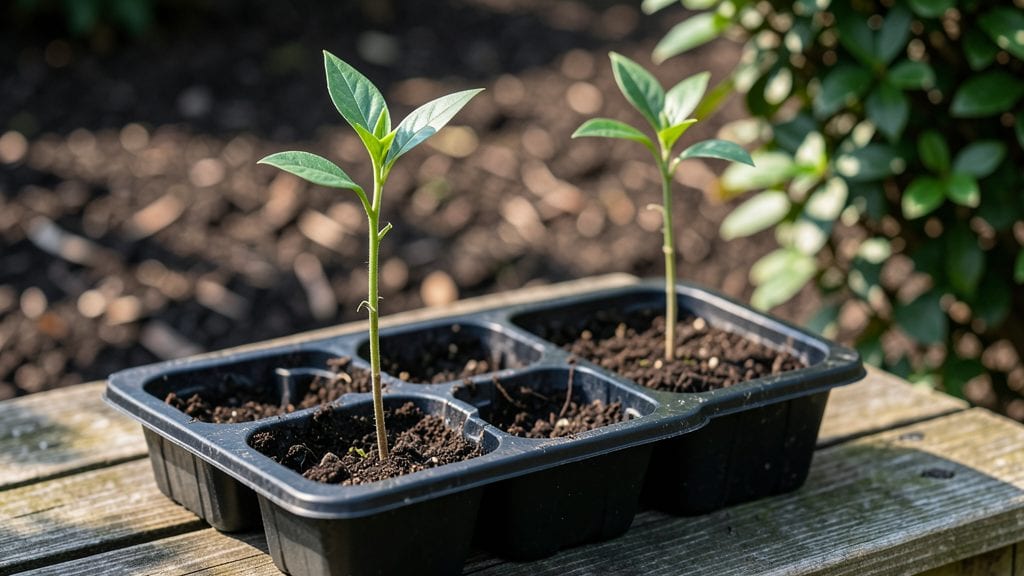
Growing a trumpet vine seedling from scratch is like watching a firework explode in slow motion—bright orange blooms unfurling against a trellis in just three months. 🌿 I’ve struggled with leggy starts and stubborn germination, but once you nail the soil mix and light balance, these vines grow with shocking speed.
The key isn’t just patience—it’s creating the right conditions from day one, whether you’re starting seeds indoors or transplanting store-bought seedlings.
You’ll need well-draining potting mix (equal parts peat, perlite, and compost), a sunny windowsill or grow light, and a sturdy trellis or fence ready by planting time. Trumpet vines despise soggy roots, so containers with drainage holes are non-negotiable.
Water lightly after planting—just enough to keep the top inch moist—and avoid overhead watering once the first leaves appear. Leggy seedlings? Move them closer to the light immediately, or they’ll stretch themselves into weak stems that flop by summer.
By month three, you’ll be rewarded with glossy green leaves and the first hints of those trumpet-shaped blooms—deep red, orange, or yellow, depending on the variety. The fragrance alone is worth the effort, but the real magic happens when hummingbirds start visiting.
These vines thrive in zones 4-9, so if you’re in a cooler climate, start seeds indoors 8-10 weeks before your last frost or transplant hardened-off seedlings in early spring. The growth is relentless once established, climbing 30 feet or more in a single season.
Fair warning: trumpet vines are aggressive climbers and can smother nearby plants if left unchecked. Give them space, prune back overgrowth in late winter, and enjoy the show—your neighbors will be asking for cuttings by midsummer. Here’s how to keep them happy from seed to bloom.
📚 In This Guide
- What you need
- Instructions
- Tips and common mistakes
- Wrapping up and next steps
What you need
- ● Trumpet vine seeds (Campsis radicans) – 5-10 seeds (or a single seedling from a nursery for faster growth).
- ● Seed-starting mix – 1-2 gallons of well-draining, sterile potting soil (or a blend of peat moss, perlite, and vermiculite).
- ● Seed trays or small pots – 3-4 inch diameter (biodegradable pots are great for transplanting!).
- ● Grow lights or sunny window – 6-8 hours of light daily (south-facing windows or LED grow lights work best).
- ● Plastic wrap or humidity dome – To retain moisture while seeds germinate.
- ● Misting bottle or spray nozzle – For gentle watering without disturbing seeds.
- ○ Fertilizer (optional but helpful) – A balanced, water-soluble fertilizer (10-10-10) diluted to half-strength for young seedlings.
- ● Trowel or small shovel – For transplanting seedlings later.
- ● Pruning shears – To trim leggy growth or shape the vine.
- ● Trellis or sturdy support – A 6-foot wooden lattice or metal cage for climbing (install early!).
- ● Garden gloves – To protect hands from thorns (trumpet vines can be prickly!).
- ○ pH test kit (optional) – To check soil acidity (ideal range: 6.0-7.0).
Step-by-step instructions for growing a trumpet vine seedling
Here’s how to nurture a trumpet vine from seed into a thriving climber—no shortcuts, just steady growth.
🌱 Step 1: Start Seeds Indoors for Early Growth
Trumpet vine seeds need warmth to germinate, so begin indoors 6-8 weeks before your last frost date. Fill a 4-inch pot with sterile seed-starting mix (moisten it until damp but not soggy). Plant 2-3 seeds per pot just ¼ inch deep—burying them deeper delays germination. I like to use a small tray of pots to keep conditions consistent.
Cover the pot with plastic wrap to trap humidity, then place it in a warm spot (70-75°F). A seedling heat mat speeds things up, but even a sunny windowsill works. Keep the soil evenly moist—not wet, not dry. You’ll see sprouts in 2-4 weeks, but don’t rush to remove the wrap until 50% of seeds have germinated.
☀️ Step 2: Provide Bright Light and Gradual Hardening
Once seedlings emerge, move them under bright, indirect light immediately. Trumpet vines stretch toward light fast, so a grow light (12-14 hours daily) prevents leggy growth. Keep the light 2-3 inches above the seedlings and raise it as they grow. You’ll know they’re getting enough light when leaves are deep green and compact—not pale or stretched.
After 4-6 weeks, start hardening them off. Place pots outside in partial shade for 1 hour, then gradually increase time and sun exposure over 10-14 days. Watch for wilting or yellowing leaves—a sign they’re adjusting too fast. By the time they’re ready for transplanting, they’ll be sturdy enough to handle full sun.
🪴 Step 3: Transplant Seedlings Outdoors
Choose a sunny, sheltered spot with a trellis or sturdy fence nearby—trumpet vines climb aggressively. Dig a hole twice as wide as the root ball but no deeper. Gently remove the seedling, loosen roots if tangled, and place it in the hole. Fill with soil, firming lightly around the base. Water deeply to settle roots and reduce shock.
Mulch with 2-3 inches of organic mulch (like shredded bark) to retain moisture and suppress weeds. Trumpet vines thrive in well-draining soil but tolerate poor conditions once established. Space plants 6-8 feet apart—they spread fast and need room to climb. You’ll see new growth within 2 weeks if conditions are right.
✂️ Step 4: Prune and Support for Healthy Growth
Trumpet vines grow 6-10 feet per year, so prune in early spring to shape them and encourage flowering. Cut back overly long vines by ⅓ to redirect energy into stronger growth. Remove any dead or crossing branches—this improves airflow and reduces disease risk. I also pinch back new growth in late spring to promote bushier vines.
Train vines along their support structure by tying them loosely with soft twine or plant ties. Avoid tight binding—vines thicken as they grow, and constriction can damage bark. Water deeply once a week (more in extreme heat), and fertilize with balanced fertilizer in spring and summer. You’ll see vibrant trumpet-shaped blooms by mid-summer if you’ve kept them healthy.
Tips & tricks for perfect trumpet vine seedlings
Here's what I've learned after nurturing trumpet vines from seed—these insights will help you avoid common pitfalls and maximize your success.
Germination Environment: The 70-75°F temperature range is critical for successful germination. If your home runs cooler, place the pots on a seedling heat mat or near a sunny window with indirect light. I've found that using a clear plastic bag (instead of just plastic wrap) creates a mini greenhouse effect that speeds up germination without risking mold. Once you see sprouts, remove the cover gradually over 3-4 days to avoid shocking the delicate seedlings.
Lighting Strategy: Trumpet vine seedlings are notorious for stretching toward light, so the 12-14 hour grow light period is non-negotiable. Position your grow light just 2-3 inches above the seedlings and adjust as they grow. I recommend using a full-spectrum LED grow light—they're more energy-efficient than fluorescent bulbs and provide the right light spectrum for healthy growth. Rotate the pots daily to ensure even growth and prevent lopsided seedlings.
Hardening Off Technique: The gradual 10-14 day hardening process is where most beginners fail. Start with just 1 hour in partial shade, then increase by 30 minutes each day. I've seen seedlings wilt dramatically when moved too quickly to full sun. Watch for the first signs of stress—wilting or yellowing leaves—and adjust your timeline accordingly. By day 5, you can move them to morning sun, then full sun by day 10.
Transplanting Timing: The 6-8 week indoor period gives you a good buffer, but don't wait until the last possible moment before your frost date. Trumpet vines establish roots quickly once transplanted, but they need time to acclimate. I always check the weather forecast and aim to transplant 2 weeks before the final frost date—this gives them time to settle in before any late-season cold snaps. Water deeply the day before transplanting to reduce shock.
Pro Tips for Trumpet Vine Seedling
- Here's what I've learned after nurturing trumpet vines from seed—these insights will help you avoid common pitfalls and maximize your success.
- Germination Environment: The 70-75°F temperature range is critical for successful germination.
- Lighting Strategy: Trumpet vine seedlings are notorious for stretching toward light, so the 12-14 hour grow light period is non-negotiable.
Frequently asked questions
Got questions about growing your trumpet vine seedling? You’re in the right place! Here are answers to the most common queries—from timing to troubleshooting—to help you nurture a thriving climber.
How long does it take for trumpet vine seedlings to sprout?
Most trumpet vine seeds sprout within 2–4 weeks if kept warm (70–80°F) and moist. Pro tip: Soak seeds overnight before planting to speed up germination! If nothing emerges after 6 weeks, they may need a little more patience or a warmer spot.
When is the best time to plant trumpet vine seedlings outdoors?
Wait until after the last frost (spring) when soil temps are consistently above 60°F. Trumpet vines hate cold—planting too early risks stunted growth or death. If you’re in a warm climate, late winter is fine, but never plant in fall (they’re tender!).
Can I grow trumpet vine from cuttings instead of seeds?
Take 4–6 inch cuttings from healthy vines in spring/summer, strip lower leaves, and dip in rooting hormone. Place in moist perlite or water until roots form (2–4 weeks). Cuttings often grow faster than seeds and inherit the parent plant’s vigor.
Why are my trumpet vine seedlings wilting or turning yellow?
Wilting or yellowing usually signals overwatering, underwatering, or pests. Check soil moisture (top inch should be dry between waterings) and inspect for aphids or spider mites. Fix it: Adjust watering, trim affected leaves, and spray with neem oil if bugs appear.
How tall should trumpet vine seedlings be before transplanting?
Aim for 6–12 inches tall with at least 2–3 sets of true leaves before moving seedlings outdoors. Hardier seedlings handle transplant shock better. If they’re leggy or weak, grow them under grow lights for a few weeks first to boost strength.
Do trumpet vine seedlings need full sun?
Yes! Trumpet vines thrive in full sun (6+ hours daily). Seedlings started indoors can start with partial shade but should be gradually acclimated to direct sunlight to avoid leaf burn. A south-facing window or shade cloth helps ease the transition.
Wrapping up and next steps
Growing a trumpet vine seedling is a rewarding journey that brings vibrant color and life to your garden in just three months! With the right soil, sunlight, and care, you’ll soon enjoy its stunning blooms and lush foliage.
Whether you’re a beginner or a seasoned gardener, this fast-growing beauty is a fantastic addition to any space.
Ready to watch your seedling thrive? Start planting today—your garden (and future pollinators!) will thank you! 🌱✨