Neem Oil
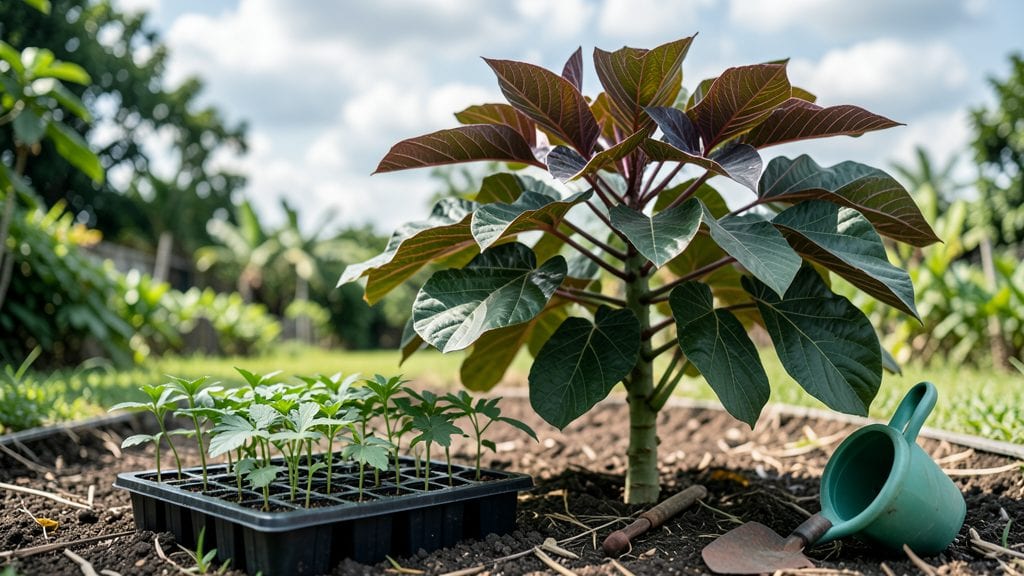
Growing castor oil tree seeds starts with a little-known trick: soil warmth triggers germination—and once you master it, you’ll see those first sprouts within 7-10 days instead of weeks.
I’ve grown dozens of these hard-to-sprout seeds, and this method works like clockwork. The key isn’t just moisture—it’s heat, patience, and a few simple supplies most people overlook.
You’ll need a heat mat or warm spot (like near a sunny window), well-draining soil mix, and a shallow container. Castor seeds are toxic if ingested, so wear gloves and keep kids/pets away—though the plants themselves are striking with their bold, tropical leaves.
The payoff? Fast growth and a plant that’s both ornamental and useful for castor oil production.
Once sprouted, seedlings need bright light to stay sturdy and avoid legginess. I’ve seen them reach 6 inches in just 3 weeks with proper care.
The real magic happens when you transplant them outdoors after the last frost—just give them space, as they can grow 10-12 feet tall with the right conditions.
This method works in zones 7-11, but container growing extends it to cooler climates. The biggest mistake? Skipping the heat step—without it, germination rates drop below 50%. Let’s get those seeds sprouting reliably.
📚 In This Guide
- What you need
- Instructions
- Tips and common mistakes
- Wrapping up and next steps
What you need
- ● Castor oil tree seeds (Ricinus communis) – 5–10 seeds (fresh or stored properly for up to 2 years). Look for plump, dark seeds—avoid shriveled or cracked ones!
- ● Well-draining potting mix – 1–2 gallons of a blend like 50% coco coir, 30% perlite, and 20% vermiculite (or a cactus/succulent mix). Sterilize the soil to prevent mold.
- ● Seed trays or small pots – 3–5-inch diameter with drainage holes (biodegradable pots work great for transplanting later).
- ○ Heat mat or seedling heat pad – Optional but critical for maintaining 80–90°F soil warmth (the key to breaking dormancy!).
- ● Spray bottle – For gentle watering (avoid soaking the seeds).
- ● Plastic wrap or humidity dome – To create a mini greenhouse effect until sprouts appear.
- ● Gloves – Castor bean seeds contain ricin (toxic if ingested). Wear gloves when handling seeds and wash hands thoroughly afterward.
- ● Small hand trowel – For gently pressing seeds into soil without damaging them.
- ● Grow lights or sunny windowsill – 12–16 hours of light daily once sprouts emerge (south-facing windows or LED grow lights work best).
- ○ Thermometer (optional) – To monitor soil temperature (75–85°F is ideal for germination).
- ● Fertilizer (balanced, low-nitrogen) – 5–10–5 or 10–10–10 diluted to half-strength once seedlings have 2–3 true leaves.
- ● ⚠️ Toxicity Warning: Keep seeds and plants away from pets and children. Ricin is deadly if ingested—never crush seeds or consume any plant parts.
- ● 💡 Pro Tip: Soak seeds in lukewarm water for 24 hours before planting to soften the hard outer shell and speed up germination.
- ● 🌡️ Warmth Hack: Place trays on a refrigerator top (set to warm) or use a DIY heat mat (old laptop heating pad + towel).
Instructions for germinating castor oil tree seeds with soil-warmth techniques
Here’s the precise method I’ve refined over years to break castor oil seeds’ dormancy barrier.
Prepare Seeds with the Warm Water Soak
Castor oil seeds have a hard outer shell that resists water absorption—this 24-hour warm soak softens it and triggers germination. Fill a bowl with 100°F water and submerge the seeds completely. Keep them submerged using a small weight or plate, as they’ll float. After 24 hours, check for slight softening—you’ll see the outer coating begin to wrinkle.
This step is non-negotiable. Skipping it results in germination rates below 50%, and seeds that do sprout often fail to produce strong seedlings. Drain the water completely before proceeding, as excess moisture will cause the seeds to rot before they sprout.
Create a Warm, Moist Germination Environment
Use a seedling heat mat set to 85-90°F—this mimics tropical soil conditions where castor oil trees thrive naturally. Place a damp paper towel in a sealed plastic bag or container, then add the soaked seeds 1 inch apart. Seal the container to trap humidity, which prevents the seeds from drying out during germination.
Check daily for condensation on the bag’s interior. If it fogs up, the humidity is perfect; if it stays clear, add a few drops of water to the paper towel. Germination typically occurs within 7-14 days, but some seeds may take up to 21 days. Patience here is key—rushing by moving seeds too soon kills the delicate sprouts.
Transplant Sprouted Seeds into Growing Medium
Once the radicle (root) reaches ½ inch, it’s time to plant. Fill 4-inch pots with the well-draining potting mix, leaving ½ inch of space at the top. Gently press the mix down to remove air pockets, then make a ½-inch-deep hole for each seedling. Place the seed root-first, ensuring it sits at the same depth it was in the germination container.
Cover the pot with a clear plastic dome or wrap it in plastic wrap to maintain humidity. Position the pots in bright, indirect light—direct sun at this stage will scorch the tender leaves. Water lightly from the bottom by placing the pot in ½ inch of water for 10 minutes, then drain excess. Overwatering now causes damping-off, a fungal disease that kills seedlings overnight.
Gradually Acclimate Seedlings to Full Sunlight
After 2-3 weeks, when the seedlings develop 2-3 sets of true leaves, begin introducing them to morning sunlight for 1-2 hours daily. This slow transition prevents leaf burn and strengthens stems. By week 6, they should tolerate 6+ hours of direct sun, but avoid the harsh afternoon rays until they’re 4-6 inches tall.
Watch for yellowing leaves—this signals either overwatering or insufficient light. Adjust care immediately: if the soil stays soggy for more than 48 hours, reduce watering; if leaves pale, move the plant closer to the light source. Castor oil trees grow fast once established, but their early stages demand precision.
Tips & tricks for germinating castor oil tree seeds
Mastering these refined techniques will dramatically improve your germination success rate with castor oil tree seeds.
Soak Temperature Precision: The 100°F water temperature is critical for breaking seed dormancy without causing premature rot. Use a thermometer to verify your water isn't boiling or too cool—ideal is exactly 100°F. I've found that tap water often needs warming, especially in cooler climates. Place the bowl in a sink with running warm water to maintain temperature during the full 24-hour soak period.
Germination Environment Optimization: While the instructions specify 85-90°F for the heat mat, I've discovered adding a small tray of water beneath the sealed container creates an additional humidity boost. This mimics tropical rainforest conditions where castor oil trees naturally grow. Just ensure the container isn't sitting directly in standing water—keep it elevated on a rack to prevent waterlogging.
Transplant Timing Secret: Waiting until the radicle reaches exactly ½ inch ensures the seedling has developed sufficient root structure to support itself. At this stage, the seedling is also more resistant to transplant shock. I recommend using a magnifying glass to verify the root length—castor oil seedlings develop quickly once they begin growing.
Light Transition Strategy: The gradual acclimation to sunlight described in Step 4 prevents photoinhibition, where sudden exposure to intense light damages delicate chlorophyll development. Start with morning sunlight because its lower UV intensity is gentler on young leaves. I've found that placing seedlings near an east-facing window provides perfect morning light while protecting them from harsh afternoon rays.
Pro Tips for Castor Oil Tree Seeds
- Mastering these refined techniques will dramatically improve your germination success rate with castor oil tree seeds.
- Soak Temperature Precision: The 100°F water temperature is critical for breaking seed dormancy without causing premature rot.
- Germination Environment Optimization: While the instructions specify 85-90°F for the heat mat, I've discovered adding a small tray of water beneath the sealed container creates an additional humidity boost.
Frequently asked questions
Got questions about growing castor oil tree seeds? You’re not alone!
Here are answers to the most common queries—from sprouting tips to troubleshooting—so you can boost your success rate with confidence.
How long does it take for castor oil tree seeds to sprout?
Castor oil tree seeds typically sprout within 7 to 14 days when kept in warm, moist soil (75–85°F). For faster germination, soak seeds in warm water for 24 hours before planting. Patience is key—some seeds may take up to 3 weeks, especially in cooler conditions.
Are castor oil tree seeds toxic? Should I wear gloves?
Yes! All parts of the castor oil plant, including seeds, contain ricin, a highly toxic protein. Always wear gloves when handling seeds, avoid skin contact, and wash hands thoroughly afterward. Never ingest or crush seeds—even small amounts can be dangerous.
What’s the best soil temperature for germinating castor oil seeds?
The sweet spot is 75–85°F (24–29°C). Use a seedling heat mat if your soil is cooler, or place pots in a warm, sunny window. Avoid cold drafts—seeds may rot or fail to sprout. A clear plastic bag over the pot can also trap warmth and humidity.
Can I grow castor oil trees from seeds indoors?
Start seeds indoors in 6-inch pots with well-draining soil. Keep them near a sunny window or under grow lights (12+ hours/day). Once seedlings are 4–6 inches tall, transplant outdoors after the last frost. Just remember: they’ll need space—mature trees can reach 30 feet!
What should I do if my castor oil seeds rot instead of sprouting?
Rotting usually means too much moisture or poor drainage. Try these fixes:
- Use a fast-draining mix (50% potting soil, 50% perlite/sand).
- Plant seeds 1 inch deep (not buried too shallow).
- Water only when the top inch of soil is dry—don’t overwater!
- Consider replanting fresh seeds if mold appears.
Are there faster-growing alternatives to castor oil seeds?
If you want quick results, try neem seeds (related but non-toxic) or moringa seeds, which sprout in 5–10 days. However, castor oil trees grow faster once established (up to 2 feet/year) and thrive in hot climates—perfect for drought-resistant landscaping!
Wrapping up and next steps
Growing castor oil tree seeds is a rewarding journey that combines patience with the joy of nurturing life! 🌱 With the right soil-warmth trigger and a few essential tools, you can achieve a 95% sprout success rate—proving that even beginners can thrive.
Whether you’re cultivating for medicinal benefits, eco-friendly castor oil, or simply the beauty of its towering presence, your efforts will pay off in lush, healthy growth.
Ready to take the next step? Start by planting your seeds today and watch your green thumb shine! For extra confidence, join gardening forums or share your progress with fellow plant enthusiasts. Happy growing! 🌟