Propagation
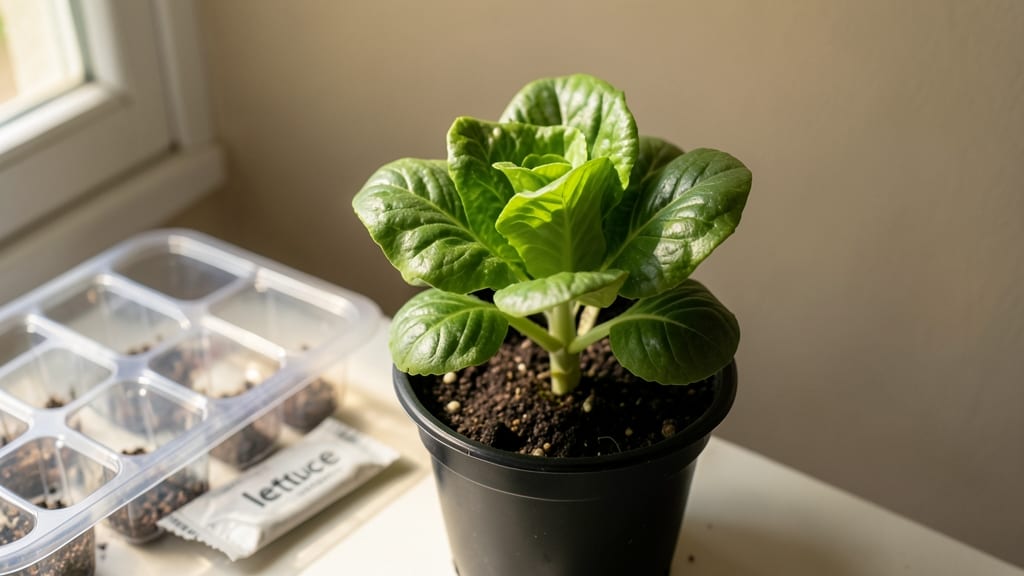
Why aren’t my seeds sprouting?—that’s the heartbreak staring back at you from empty trays, year after year. 🌱 The truth? Germination fails aren’t about bad luck; they’re about fixable conditions hiding in plain sight.
Most of the time, it’s one of three things: soil that’s either too dry or too soggy, seeds planted too deep (or too shallow), or temperatures that don’t match what the seed needs.
Even "fresh" seeds can be old or stored improperly. The good news? Each of these has a simple test or tweak that turns a dead tray into a jungle of sprouts within days.
You’ll start with a quick viability test—because sometimes the problem isn’t you, it’s the seed. Then we’ll adjust moisture, depth, and warmth like a scientist (without the lab coat).
By the end, you’ll spot the exact issue in your setup and have a step-by-step plan to get those seeds breaking soil within 3-7 days—no more guessing.
This works for vegetables, flowers, and herbs alike, whether you’re starting indoors or direct-sowing. Let’s get those seeds talking to you again—starting with the most likely culprit in your tray.
The Hidden Reasons Seeds Stay Silent
If your seeds are refusing to sprout, the issue likely lies in one—or sometimes several—of these key environmental or biological roadblocks. Understanding the science behind germination will help you troubleshoot like a pro. Let’s break down the most common culprits, from the obvious to the sneaky.
Seeds have a temperature sweet spot—too cold, and they stall; too hot, and they may rot or dry out before sprouting. Most seeds require warmth to activate enzymes that break down stored nutrients (like starches and fats) into energy for growth.
- Cold soil: If your soil temperature is below 50°F (10°C), many seeds (especially cool-season varieties like lettuce or peas) will barely stir. Use a soil thermometer to check—ideal ranges vary by seed type (e.g., tomatoes thrive at 70–85°F (21–29°C)).
- Heat stress: Temperatures above 90°F (32°C) can denature enzymes or cause seeds to dry out. Some tropical seeds (like chili peppers) handle heat better, but most prefer consistency.
- Solution: Use a seedling heat mat ($15–$30) for slow starters, or move containers to a warmer spot (like near a sunny window or under grow lights). For outdoor planting, wait until soil warms naturally—usually after the last frost.
Water is the spark that ignites germination, but too much or too little can kill seeds before they sprout. Seeds need consistent moisture to activate hydration-triggered metabolic processes—but stagnant water cuts off oxygen, leading to rot.
- Underwatering: Seeds dry out if the soil surface cracks or moisture evaporates too quickly. A dry seed shell can harden, preventing the embryo from breaking through.
- Overwatering: Soggy soil suffocates seeds with anaerobic conditions, causing them to rot before sprouting. Look for mushy seeds or foul smells—this is a red flag.
- Solution:
- Use the sponge method: Soak seeds in water for 12–24 hours (for hard-coated seeds like beans), then plant in moist but not soggy soil.
- Bottom-water trays: Fill a tray with ½ inch of water, place pots inside, and let seeds draw moisture upward. Drain excess after 30 minutes.
- Mist lightly daily: Aim for even dampness, not puddles. A finger test—if the top inch feels dry, it’s time to water.
Not all seeds are created equal—some may be old, damaged, or genetically dormant, making them incapable of sprouting. Even fresh seeds from reputable sources can fail if stored improperly.
- Old seeds: Most seeds lose viability over time. For example:
Seed Type Average Lifespan Tomato 4–6 years Pea 2–4 years Carrot 1–2 years Corn 1–2 years - Dormancy triggers: Some seeds (like apple or maple) need stratification (cold treatment) or scarification (scratching the seed coat) to break dormancy.
- Solution:
- Test viability: Place 10 seeds in a damp paper towel, seal in a bag, and check for sprouts in 7–10 days. If <10% sprout, replace the batch.
- Stratify cold-requiring seeds: Mix seeds with damp peat moss, refrigerate for 4–12 weeks, then plant.
- Scarify hard-coated seeds: Rub them gently with sandpaper or soak in hot water (160°F/71°C) for 24 hours to soften the shell.
Some seeds need light to germinate, while others avoid it like a sunburn. Misjudging light exposure can leave seeds confused—or worse, rotting.
- Light-requiring seeds: Tiny seeds like lettuce, basil, and petunias often need sunlight or artificial light to trigger germination. Planting them too deep (e.g., >¼ inch) can suffocate them.
- Darkness-dependent seeds: Large seeds (like beans, peas, or sunflowers) prefer darkness. Burying them too shallowly exposes them to light, slowing or stopping growth.
- Solution:
- For light-lovers: Press seeds lightly into the soil surface (no deeper than ⅛ inch) and place under grow lights (12–16 hours/day).
- For darkness-lovers: Plant 1–2 inches deep and keep soil consistently moist until sprouts appear.
Unseen pathogens can consume seeds before they sprout, leaving no trace except empty seed shells. Fungal diseases like Pythium or Rhizoctonia thrive in damp, warm conditions, turning seeds to mush.
- Signs of infection:
- Seeds disappear or turn black/mushy.
- Fuzzy white, gray, or pink mold on soil.
- Healthy seedlings suddenly collapse after sprouting.
- Solution:
- Sterilize soil: Bake potting mix at 180°F (82°C) for 30 minutes or use hydrogen peroxide (3%) to disinfect (mix 1 part H₂O₂ with 10 parts water).
- Use fresh containers: Reuse pots? Scrub with bleach solution (1:10 bleach:water) and rinse well.
- Improve airflow: Space seedlings 2–3 inches apart and avoid overcrowding.
Now that you’ve identified the likely culprit, the next step is fixing it—and we’ve got actionable solutions waiting for you in the next section! 🚀
Fixing Stubborn Seeds: Step-by-Step Solutions
If your seeds refuse to sprout, don’t toss them just yet! 🌱 Most germination issues have simple fixes—let’s troubleshoot and revive your planting game. Below, we’ll match common problems with practical solutions and prevention tips to ensure your next batch breaks through the soil like a champ.
Problem: Seeds need warmth (usually 60–85°F, depending on the type) to activate enzymes that trigger germination. Too cold = dormancy; too hot = damage.
Fix It:
- Move to a warmer spot 🔥: Place trays near a sunny window, under grow lights, or on a seedling heat mat (set to 70–75°F for most veggies).
- Use a DIY heat source: A warm water bottle wrapped in a towel or a heated propagator can work in a pinch.
- Check seed packets: Some seeds (like peas or beans) prefer cooler temps (50–60°F). Adjust accordingly.
Prevent It: ✅ Pre-warm soil by mixing in compost or using a seedling heat mat before planting. ✅ Monitor room temps—avoid drafts near AC vents or cold windowsills.
Problem: Too dry = seeds shrivel; too wet = rot before sprouting. Most seeds need consistent moisture (like a wrung-out sponge).
Fix It:
- Bottom-water gently 💦: Place trays in 1 inch of water for 10–15 minutes, then drain excess. Avoid soggy soil!
- Mist lightly (for tiny seeds): Use a spray bottle to keep soil damp but not soaked.
- Cover with plastic wrap (temporarily) to retain humidity, but remove daily to prevent mold.
Prevent It: ✅ Use well-draining soil (seed-starting mix, not garden soil). ✅ Water at the same time daily—morning is best to avoid evening dampness.
Problem: Seeds lose vigor over time (most last 1–5 years, depending on type). If they’re past their prime, they may not sprout.
Fix It:
- Test viability 🧪: Fill a glass with water, add seeds. Floating = dead; sinking = possibly alive (but not guaranteed).
- Try a "paper towel test":
- Moisten a paper towel.
- Sandwich seeds between two towels in a sealed bag.
- Check for sprouts in 3–7 days. If they sprout, replant!
Prevent It: ✅ Store seeds in a cool, dark, dry place (airtight containers with silica packets). ✅ Buy fresh seeds (check the packet date—older than 2 years? Test first!).
Problem: Compacted soil, wrong depth, or lack of nutrients can strangle seeds before they emerge.
Fix It:
- Loosen soil 🏗️: Mix in perlite or vermiculite (20%) to improve aeration.
- Plant at the correct depth:
- Tiny seeds (lettuce, carrots): Scatter on top, press lightly.
- Medium seeds (beans, tomatoes): 1/4 inch deep.
- Large seeds (peas, corn): 1–2 inches deep.
- Fertilize lightly (after sprouting): Use a diluted fish emulsion (1/2 tsp per gallon) to avoid burning.
Prevent It: ✅ Use sterile seed-starting mix (no garden soil = fewer pests/diseases). ✅ Label seeds by depth on your planting chart.
Problem: Mold, damping-off fungus, or pests (like slugs) can kill seeds before they sprout.
Fix It:
- Disinfect tools & containers 🧼: Soak trays in 1 part bleach to 9 parts water, rinse well.
- Prevent fungus with:
- Cinnamon dust (sprinkle lightly on soil).
- Neem oil spray (1 tsp neem oil + 1 tsp mild soap per quart of water).
- Remove slugs/snails at night with beer traps (bury a cup filled with beer).
Prevent It: ✅ Sterilize soil by baking trays at 200°F for 30 minutes before reuse. ✅ Space trays apart for airflow (fungus thrives in humidity).
Problem: Seeds need light (or darkness, depending on type) and space to avoid crowding.
Fix It:
- Provide light 💡:
- For light-loving seeds (lettuce, basil): Place under grow lights 12+ inches away (14–16 hours/day).
- For dark-needing seeds (peppers, tomatoes): Cover with soil or keep in darkness until sprouts appear, then expose to light.
- Thin seedlings early 🌱: Use scissors to snip weak sprouts at soil level, leaving the strongest 2 inches apart.
Prevent It: ✅ Use reflective surfaces (aluminum foil under trays) to maximize light. ✅ Start seeds in modular pots (no transplant shock when thinning).
If nothing works, it’s time to get creative:
- Scarify hard seeds (like beans or peas) by nicking the outer shell with sandpaper or soaking in hot water.
- Stratify cold-weather seeds (apples, maples) by mixing with damp sand and refrigerating for 4–8 weeks.
- Switch seed types—some varieties (like ‘Early Girl’ tomatoes) sprout faster than heirlooms.
Pro Tip: 💡 Keep a germination journal! Track seed types, temps, and moisture to spot patterns. Over time, you’ll nail the perfect setup.
Now grab your gloves, adjust those conditions, and watch those stubborn seeds finally say, "Checkmate—we’re sprouting!" 🌱✨
Frequently asked questions about seed germination
Why do some seeds sprout faster than others?
Seed sprouting speed depends on the species—fast growers like radishes sprout in 3-5 days while slower varieties (tomatoes, peppers) take 7-14 days. Fast-sprouting seeds have thinner seed coats and stored energy optimized for quick growth, while others prioritize survival over speed. Always check the seed packet for expected germination times.
Can I still get sprouts if my seeds are older than 2 years?
Maybe! Many seeds (like beans or peas) stay viable for years, but germination rates drop dramatically. Test 10 seeds using the paper towel method—if fewer than 50% sprout within 7 days, replace them. For maximum success, store seeds in airtight containers with silica packets in a cool, dark place.
What's the best way to tell if my soil is too wet or too dry for seeds?
Use the finger test: Stick your finger 1 inch deep—if it feels bone-dry, water lightly. If it's cold and clumpy, it's too wet. The ideal soil should feel like a wrung-out sponge. For tiny seeds, bottom-watering (placing trays in ½ inch of water for 10 minutes) prevents overwatering while keeping moisture consistent.
Do I need special lights for seeds that need light to germinate?
Not necessarily! A sunny windowsill works for many light-loving seeds (like lettuce or basil), but grow lights give you more control. For best results, use LED grow lights 12-16 inches away (14-16 hours/day). If using sunlight, rotate trays daily to prevent seedlings from leaning toward the light.
What should I do if my seeds start sprouting but then die?
This is often damping-off fungus caused by overwatering or poor airflow. Remove affected seedlings immediately, then sterilize soil with hydrogen peroxide (3%) (1 part H₂O₂ to 10 parts water). Space remaining seedlings 2-3 inches apart, reduce watering, and add a light sprinkle of cinnamon to deter fungus.