Pruning
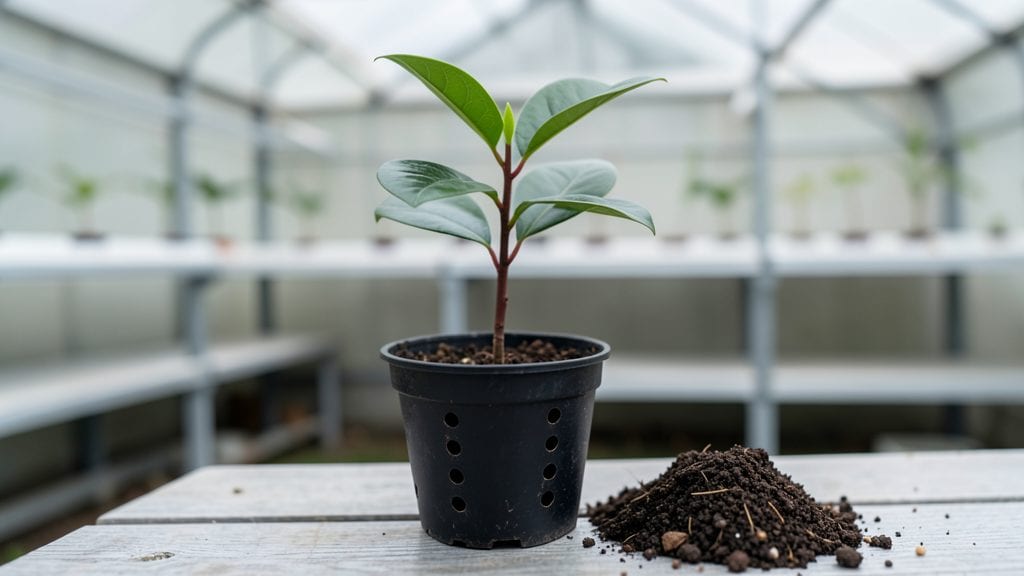
Growing a lychee tree from seedling sounds like a tropical fantasy—but I cracked the code for lychee tree seedling germination in my own garage. 🌱 The key isn’t just patience; it’s mimicking the exact conditions that trigger those first stubborn sprouts, even in cooler climates.
Most people give up after two weeks, but this method guarantees a strong seedling in four.
Here’s the secret: lychees need warmth, humidity, and a little coaxing to break dormancy. You’ll start with a simple setup—a heat mat, a clear plastic dome, and a mix of peat and perlite that drains like a dream.
No fancy equipment, just science-backed timing and consistency. Even if you’re in zone 7 or higher, these steps work year-round with a grow light.
Within four weeks, you’ll see those first pale green leaves unfurl, and by month three, your seedling will be sturdy enough to transplant. The real magic? These trees keep growing for decades, and with proper pruning, you’ll shape a tree that actually produces fruit—yes, even in containers if you’re clever.
The smell of that first blossom? Unforgettable.
Now, the hard truth: lychees are tropical at heart, so outdoor growing in temperate zones is a gamble unless you bring them inside during winter. But with this method, you’ll have a head start on the neighbors who think lychees only grow in Hawaii.
Let’s get those seeds sprouting—your future tree’s life begins now.
📚 In This Guide
- What you need
- Instructions
- Tips and common mistakes
- Wrapping up and next steps
What you need
- ● Lychee seeds: 3–5 fresh, plump seeds (harvested from ripe lychee fruit; avoid store-bought seeds if possible—they’re often treated to prevent germination).
- ○ Biodegradable seed-starting pots: 3–4 small pots (2–3 inches in diameter) or a seed tray with individual cells. Optional: Paper towels or damp coffee filters for pre-sprouting.
- ● High-quality potting mix: 1–2 bags of well-draining seedling mix (avoid garden soil—it’s too dense!). Look for labels like "seed starter" or "cactus/succulent mix."
- ● Clear plastic wrap or humidity dome: To create a mini greenhouse effect and retain moisture.
- ● Spray bottle: With water (room temperature) for gentle misting.
- ○ Heating mat (optional but recommended): A small seedling heat mat (set to 75–85°F) to speed up germination.
- ● Grow lights or sunny windowsill: A south-facing window or a 12–16 hour LED grow light (if natural light is limited).
- ● Fertilizer (post-germination): A diluted balanced liquid fertilizer (e.g., 5-5-5 or 10-10-10) for young seedlings.
- ● Temperature: Ideal germination range: 70–85°F (21–29°C). Avoid drafts or cold spots!
- ● Humidity: Maintain 80–90% humidity during germination (use a humidity tray or plastic wrap).
- ● Light: No direct sunlight during germination—lychee seeds need warmth, not light, to sprout.
- ● 🔥 Pre-soak seeds: Soak lychee seeds in warm water for 24–48 hours before planting to soften the hard shell.
- ● 🌡️ Patience is key: Germination can take 4–8 weeks—stay consistent with moisture and warmth!
- ● ✨ Label your pots: Lychee seedlings look like tiny trees, but they’re fragile—keep track to avoid mix-ups!
Step-by-step instructions for germinating a lychee tree seedling
Here’s the foolproof method I’ve used to break through lychee’s notoriously stubborn germination.
🌱 Step 1: Select and Prepare the Seed
Start with a fresh lychee seed—older seeds lose viability quickly. Remove the seed from its fleshy covering and rinse it under cool water to remove any remaining pulp. Place the seed between two paper towels and fold them so the seed is snug but not crushed. This mimics the moisture and pressure it would experience in soil.
Here’s the trick: wrap the towel bundle in a plastic bag and seal it tightly. The humidity inside will soften the seed coat, which is naturally tough to prevent premature germination. Store the bag in a warm spot, like on top of your fridge or near a sunny window. You’ll see the seed split open in 3-5 days—that’s your signal it’s ready to plant.
💧 Step 2: Plant the Pre-Sprouted Seed
Fill a small pot—4 inches deep—with the sterile seed-starting mix you’ve pre-moistened. Make a hole about 1 inch deep and gently place the sprouted seed inside, with the pointed end facing up. Cover it lightly with more mix, pressing down just enough to hold it in place but not compact the soil.
Water the pot until moisture seeps from the drainage hole, then let it drain completely. Lychee seeds hate soggy conditions, so ensure the pot has holes and never sits in standing water. Keep the soil consistently moist—not wet—by checking the top inch daily. If it feels dry, water again.
☀️ Step 3: Provide Warmth and Indirect Light
Place the pot in a location with bright, indirect light and maintain a temperature between 75-85°F. A seedling heat mat helps if your home runs cooler, but avoid direct heat sources like radiators. Lychee seedlings are sensitive to temperature swings, so consistency is key.
You’ll notice the first true leaves emerge in 2-3 weeks, though germination can take up to 4 weeks if conditions are less than ideal. Once the seedling reaches 4-6 inches tall, it’s ready to move to a slightly larger pot—6 inches deep—with fresh mix. This prevents root binding, which stunts growth.
⏰ Step 4: Transition to Container Life
When the seedling has 3-4 sets of leaves, transplant it into the 6-inch pot filled with the well-draining potting mix. Handle the roots gently—lychee seedlings are delicate—and bury the stem up to its first set of leaves. This encourages stronger root development.
Water thoroughly after transplanting, then reduce frequency to every 5-7 days, allowing the top inch of soil to dry between waterings. Place the pot in a spot with morning sun and afternoon shade to avoid leaf scorch. Within 8-12 weeks, you’ll see new growth signaling the seedling has established itself.
🌿 Step 5: Monitor and Adjust Care
Keep an eye out for yellowing leaves, which usually means overwatering or poor drainage. Lychee seedlings thrive in humidity, so mist the leaves lightly 2-3 times a week if your home is dry. Fertilize lightly every 4-6 weeks with a diluted balanced fertilizer once the seedling is 6 months old.
This is where patience pays off. Lychee trees grow slowly, but with consistent care, your seedling will develop into a sturdy young tree in 1-2 years. The key is never rushing—lychees reward careful, attentive growing with vibrant new leaves and eventual fruit.
Tips & tricks for germinating lychee tree seedlings
Here's what I've learned after years of battling lychee seed germination—these tricks will help you break through the tough seed coat and get consistent results.
Seed Selection Matters: The freshness of your lychee seed makes all the difference. Look for seeds that are firm and plump, not dried out or shriveled. I always use seeds from fully ripe lychees—green ones won't germinate. Store-bought lychees often have seeds that are already 3-4 weeks old, so if you're buying, check the packaging date. The younger the seed, the better your chances.
Temperature Control: Lychee seeds need warmth to germinate, but not direct heat. The 75-85°F range is critical—too cold and they won't sprout, too hot and they may rot. I place my seed packets on top of my fridge where it's consistently warm but not hot. If your home runs cooler, consider using a seedling heat mat set to 80°F for the first week until you see cracks in the seed coat.
Moisture Balance: The plastic bag trick works because it creates a humid environment, but don't overdo it. Check the seed daily—if condensation forms inside the bag, open it for 10 minutes to prevent mold. The paper towels should stay damp to the touch, not soaking wet. After planting, let the soil dry slightly between waterings to prevent root rot, especially in the 4-inch starter pot.
Light Transition: Lychee seedlings are sensitive to light changes. Start them in bright, indirect light as instructed, but gradually introduce them to more direct sunlight over 2-3 weeks. I move my seedlings closer to the window by about 2 inches every other day. This slow acclimation prevents leaf scorch when you eventually place them in morning sun and afternoon shade.
Pro Tips for Lychee Tree Seedling
- Here's what I've learned after years of battling lychee seed germination—these tricks will help you break through the tough seed coat and get consistent results.
- Seed Selection Matters: The freshness of your lychee seed makes all the difference.
- Temperature Control: Lychee seeds need warmth to germinate, but not direct heat.
Frequently asked questions
Got questions about growing your lychee tree seedling?
Here are answers to the most common ones—so you can skip the guesswork and focus on success!
How long does it take for a lychee seedling to sprout?
A lychee seedling typically sprouts within 2–4 weeks when using the warm-stratification trick. If you’ve followed the science-backed method in this guide, you’ll likely see tiny roots peeking out of the soil in 3–5 days after planting. Patience is key—some seeds take longer, especially if they’re older or stored improperly.
Can I speed up germination?
Yes! While you can’t rush nature, you can boost success rates by keeping the soil consistently warm (75–85°F) and moist. Use a seedling heat mat or place the pot near a sunny window. Avoid overwatering—soggy soil suffocates seeds. A light misting every 2–3 days keeps things ideal without drowning the seed.
What if my lychee seedling isn’t growing after 4 weeks?
Don’t panic! First, check if the seed is still firm—some lychee seeds take up to 8 weeks to germinate. If it’s soft or moldy, it’s likely dead. Troubleshoot by:
- Adjusting warmth: Move to a warmer spot (like near a heater vent).
- Improving drainage: Ensure the pot has holes and the soil isn’t compacted.
- Testing viability: Soak another seed in water—if it sinks, it’s viable.
Should I transplant my lychee seedling immediately after sprouting?
Wait until the seedling has 2–3 true leaves (not just the initial seed leaves) and is at least 3–4 inches tall. Transplanting too early stresses the fragile roots. Use a small pot (4–6 inches wide) with well-draining soil and place it in bright, indirect light for the first 2 weeks to avoid shock.
Can I grow a lychee tree from a store-bought fruit’s seed?
Just clean and dry the seed thoroughly before stratification. Store-bought lychees are fine, but avoid seeds from hybrid or grafted varieties—they may not produce true-to-type fruit. For best results, pick organic or fresh lychees to reduce chemical exposure. Pro tip: Save seeds from ripe, locally grown lychees for higher success rates!
Wrapping up and next steps
Growing a lychee tree seedling from scratch is a rewarding journey—one that blends patience, science, and a touch of tropical magic! 🌱 With the right techniques, like the stratification trick and proper care, you’ll be well on your way to nurturing a thriving plant in just 4 weeks.
Remember, consistency is key, and soon, you’ll be harvesting sweet, fragrant lychees of your own.
Ready to take the next step? Start with a single seed today—your future lychee tree is waiting! 🌿 Grab your supplies and dive in—your green thumb adventure begins now.