
Propagation
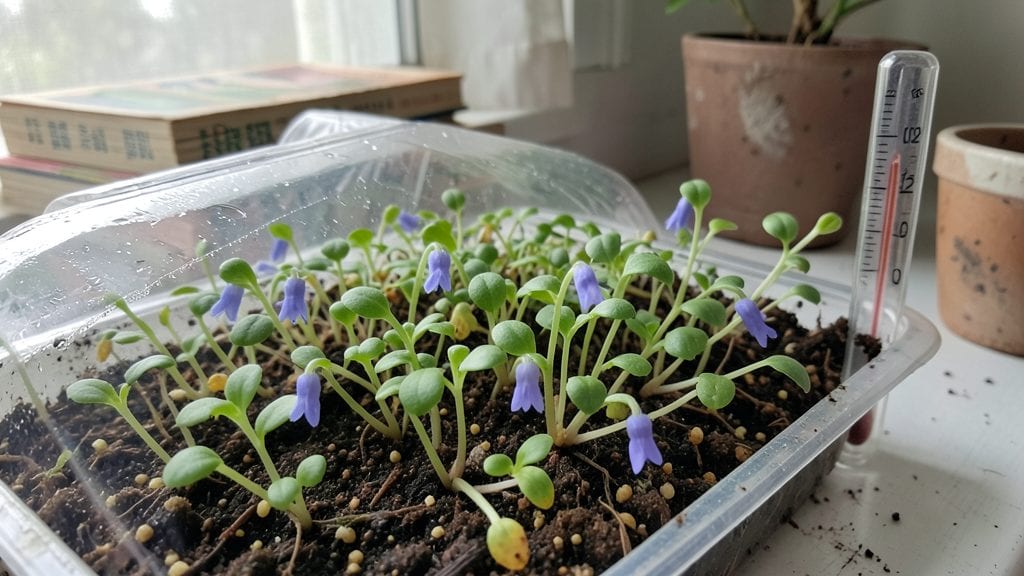
Getting seed germination temps right is the difference between a thriving garden and a pile of wasted seeds.
Struggling with seeds that refuse to sprout? The secret to unlocking faster, stronger germination lies in understanding the perfect temperature ranges for your plants—some need warmth, others thrive in cool conditions, and getting it wrong can mean wasted time and seeds.
Too hot, and your 🌱 seeds may rot before they sprout. Too cold, and they’ll sit dormant, waiting for conditions that never come.
But with the right setup—whether it’s a heat mat, a sunny windowsill, or a controlled indoor environment—you can turn those stubborn packets into lush seedlings in record time.
Below, I’ll break down the ideal ranges for different seeds, how to troubleshoot common temperature mistakes, and the fastest ways to create the perfect sprouting conditions—no guesswork required.

Optimal seed germination temperature ranges by plant type
Every seed has an ideal temperature range for germination—some need the warmth of a sunny windowsill, while others thrive in cooler conditions. Understanding these temperature requirements can mean the difference between healthy seedlings and wasted seeds. Enzymes inside seeds activate at specific temperatures, triggering cell division and breaking seed dormancy.
Cool-season crops like lettuce and spinach germinate best in 50–65°F (10–18°C), while warm-season plants such as tomatoes and peppers need 70–90°F (21–32°C). Getting this wrong can delay sprouting or even kill seeds before they emerge. Let’s break down the perfect germination temps for your favorite plants.
🌱
| Plant Type | Ideal Temp Range (°F/°C) | Germination Time | Notes |
|---|---|---|---|
| Cool-Season Vegetables | 50–65°F (10–18°C) | 7–14 days | Lettuce, spinach, peas, kale |
| Warm-Season Vegetables | 70–90°F (21–32°C) | 5–10 days | Tomatoes, peppers, cucumbers, beans |
| Herbs | 60–75°F (15–24°C) | 7–21 days | Basil, parsley, cilantro |
| Flowers | 65–80°F (18–27°C) | 10–30 days | Marigolds, zinnias, petunias |
| Root Crops | 60–70°F (15–21°C) | 10–20 days | Carrots, radishes, beets |
Tomatoes and peppers are classic examples of warm-season plants—they won’t germinate if the soil is too cold. Meanwhile, lettuce and spinach may rot or fail to sprout if exposed to high temperatures. Even a 5°F (3°C) difference can slow germination by days or weeks.
Enzyme activity is the key factor here. At optimal temperatures, enzymes like amylase break down starches into sugars, fueling the seed’s energy needs. Below or above the ideal range, these enzymes become sluggish or denature, stalling growth. For example, peas germinate best at 60°F (15°C)—too warm, and they may rot before sprouting.
Seasonal timing matters too. Spring sowing often requires heat mats for warm-season crops, while fall planting of cool-season veggies benefits from naturally cooler soil. If you’re starting seeds indoors, place them near a south-facing window or use a seedling heat mat to maintain consistent temps.
Uneven heating is a common pitfall—some seeds may sprout while others fail. To avoid this, use a germination chamber or seedling tray with built-in thermostats. For outdoor sowing, wait until the soil temperature matches your seeds’ needs—check with a soil thermometer for accuracy.
Slow germination can also signal moisture issues or old seeds. If your seeds aren’t sprouting within twice the expected time, they may need scarification (scratching the seed coat) or stratification (cold treatment) to break dormancy. Always test a few seeds first to gauge success.
🌡️
How to control germination temperatures for maximum success
Once you’ve identified the ideal germination temperatures for your seeds, the next challenge is maintaining those conditions consistently. Fluctuating temps can delay sprouting or even kill seeds before they break through the soil.
The good news? With the right tools and techniques, you can create a stable microclimate that mimics the perfect growing conditions—whether indoors or outdoors.
For warm-season crops like tomatoes and peppers, a heat mat is my go-to solution. These thin, electric pads sit under seed trays and maintain a steady 75–85°F range, which is critical for fast germination.
Meanwhile, cool-season greens like lettuce and spinach thrive at 60–70°F, so I often use a simple seedling tray on a windowsill during cooler months, supplemented with a clear plastic dome to trap warmth.
If you’re sowing outdoors, timing is everything. For early spring plantings, I cover seeds with black plastic mulch to absorb sunlight and warm the soil faster.
Conversely, in hot summer months, I use shade cloth to prevent seeds from overheating—especially for delicate varieties like carrots or parsley, which can fail if soil temps exceed 85°F.
Uneven heating is another common pitfall. A heat mat might warm one side of your tray more than the other, leading to patchy germination. To fix this, I rotate trays daily and use a digital thermometer to check multiple spots.
For DIY setups, a reflective surface under the tray (like aluminum foil) can help distribute heat more evenly.
Finally, condensation is the silent killer of seedlings. When humidity builds up inside a plastic dome or propagator, it creates the perfect conditions for fungal diseases. My trick? Place a small fan on low near the tray to gently circulate air while keeping the environment moist.
This mimics natural airflow and reduces the risk of damping-off, a fungal issue that can wipe out entire seed trays.
With these methods, you’ll create a reliable germination environment that turns reluctant seeds into vigorous seedlings—no more wasted time or heartbreak. The key is consistency: once you’ve nailed the temperature range, stick with it until those first green shoots appear! 🌱