Lawn
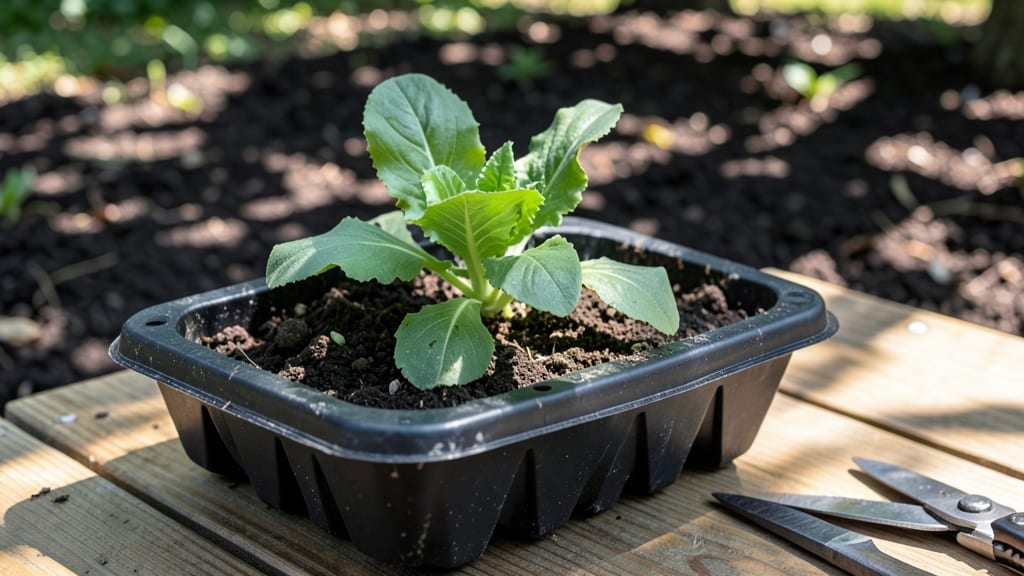
For successful seed planting, ideal weather conditions include soil temperatures between 60°F and 75°F for most vegetables, while cold-hardy crops like peas and spinach thrive in cooler 50°F–60°F ranges. Frost-free forecasts and consistent moisture without saturation are critical for strong germination.
Timing your seed planting around these temperature thresholds isn't just about avoiding frost—it's about triggering the biochemical signals that wake dormant seeds. 🌱 Warm-season crops like tomatoes and peppers need that 60°F+ soil warmth to activate enzymes that break down seed coats, while cool-season varieties like kale and broccoli germinate best when soil stays below 75°F.
I always check my local USDA Plant Hardiness Zone map to align planting with my region's natural temperature shifts, adjusting for microclimates like sun-exposed south-facing beds that warm up faster.
Beyond temperatures, soil moisture plays a silent but crucial role—too little and seeds desiccate, too much and they rot. The key is maintaining even dampness without creating soggy conditions.
For container gardening, I use moisture meters to avoid guesswork, while in-ground planters benefit from mulch to retain that perfect balance of hydration. Pro tip: Plant in the late afternoon when temperatures are cooling—this reduces stress on freshly sown seeds.
💡 In This Article
- Soil Temperature and Plant Germination Science
- Seasonal Seed Planting Calendar by Climate Zone
Soil temperature and plant germination science
Here's what's actually happening inside that seed: soil temperature acts like a biochemical trigger for germination. When soil reaches the right range—typically 60°F–75°F—it activates enzymes called amylases and proteases that break down stored nutrients in the seed's endosperm.
These enzymes work best within specific temperature windows, with warm-season crops like beans and cucumbers needing 75°F+ soil to overcome their metabolic thresholds. The process starts when water enters the seed, but without sufficient warmth, these biochemical reactions stall, leaving seeds dormant. 🔥
Cold-hardy crops like spinach and radishes have evolved to germinate at cooler 50°F–60°F because their enzymes function optimally in these ranges. The difference comes down to their native growing conditions—cool-season plants originate from regions with shorter growing seasons, where rapid germination at lower temperatures gives them a competitive edge.
For example, peas can sprout at 40°F, but their growth slows dramatically above 75°F. This is why timing matters: planting peas too late in warm climates leads to poor yields, even if the soil appears moist.
Frost and extreme heat disrupt germination in two critical ways: first by physically damaging seed membranes, and second by creating osmotic stress. Frost causes ice crystals to form within cells, rupturing their structure and preventing water uptake.
Meanwhile, soil above 90°F accelerates water evaporation, creating a hypertonic environment where seeds lose moisture faster than they can absorb it. This is why late-summer planting often fails—even if the air feels comfortable, the soil can remain dangerously hot just inches below the surface.
A simple soil thermometer reveals the truth: what feels mild above ground can be a scorching 100°F+ at planting depth. ✨
What most people don't realize is that soil temperature fluctuates differently than air temperature. Dark, organic-rich soils warm up faster in sunlight but retain heat longer at night, creating a microclimate that can be 10–15°F warmer than surrounding areas.
This is why black plastic mulch works so well—it raises soil temperatures by 5–10°F compared to bare ground. For warm-season crops, this difference can mean the difference between successful germination and failure, especially in cooler climates where spring arrives slowly.
Consider these key factors when choosing planting times:
- Enzyme activity: Warm-season crops need 70°F+ soil to activate critical germination enzymes, while cool-season crops thrive at 55°F–65°F
- Seed viability: Most seeds remain viable for 1–3 years when stored properly, but extreme heat (> 95°F) or cold (< 32°F) accelerates deterioration
- Moisture balance: Ideal germination requires 40–60% soil moisture—too little causes desiccation, too much triggers anaerobic conditions that produce toxic ethanol
The science behind this involves understanding that seeds are living organisms with precise metabolic requirements. When conditions are right, they "wake up" and begin the complex process of breaking down their stored energy reserves to fuel root growth.
This is why planting too early in cold soils often results in seeds sitting dormant for weeks, only to rot when warmer rains finally arrive.
The key is matching your seeds to your soil's natural temperature rhythm—something every experienced gardener learns through careful observation and a little trial and error. 💫