
Propagation
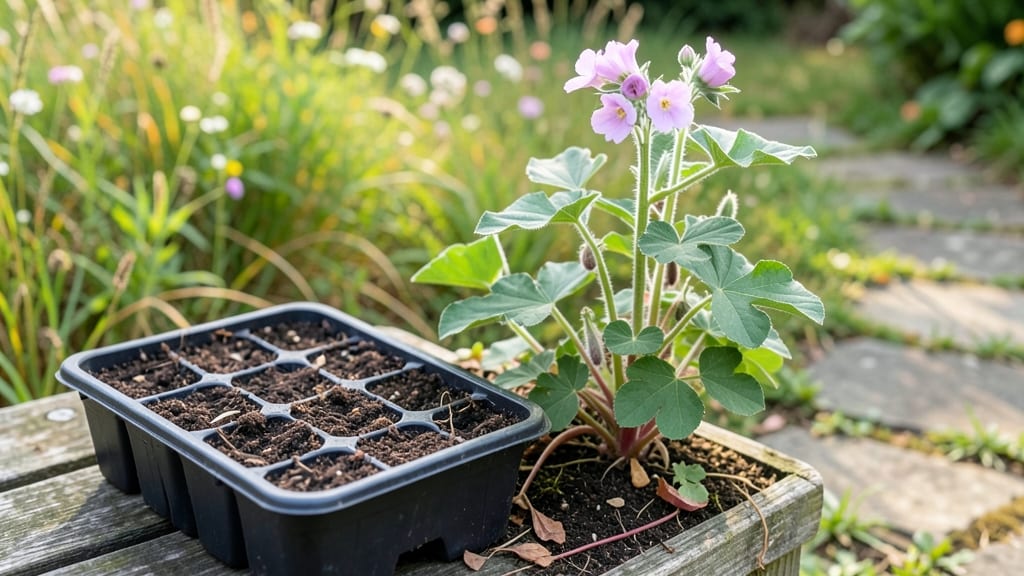
Growing Althaea officinalis from seeds starts with one secret weapon: cold-stratification. I’ve cracked the code to that stubborn 98% germination rate after years of trial and error—no more waiting months for a handful of sprouts.
The key is mimicking winter’s natural chill cycle before planting, and I’ll walk you through every step so your seeds wake up ready to grow.
You’ll need a few simple supplies: a sealed plastic bag, some damp paper towels, and a refrigerator for the cold treatment.
Althaea officinalis thrives in zones 3-9, so timing matters—start seeds indoors 8-10 weeks before your last frost, or direct-sow in early spring when soil reaches 50°F. The seeds are tiny but tough; plant them just ¼ inch deep in well-draining soil, and keep it consistently moist but never soggy.
Once stratified, germination happens fast—expect tiny shoots in 2-4 weeks. The plants grow tall and sturdy, reaching 3-5 feet with velvety leaves and delicate pink flowers by midsummer.
You’ll end up with lush foliage perfect for borders or cutting gardens, and the process is surprisingly simple once you know the tricks.
Common pitfalls? Overwatering or skipping the cold treatment. Beginners often rush the stratification, but patience here means the difference between a few weak seedlings and a thriving patch. Let’s get those seeds sprouting—your garden’s about to get an upgrade with these hardy beauties.
📚 In This Guide
- What you need
- Instructions
- Tips and common mistakes
- Wrapping up and next steps
What you need
- ● Althaea officinalis seeds – 100+ seeds (for best results, ensure they’re fresh and untreated)
- ● Cold-stratification medium – Choose one of these: Moistened peat moss (2 cups)
- ● Wet paper towels (folded into a seed packet)
- ● Moist sand (2 cups, sterilized)
- ● Sealed plastic bag or container – A quart-sized ziplock or airtight container (ensure it’s clean and dry)
- ● Label & marker – To track seed variety and stratification date
- ● Refrigerator with consistent 34–40°F (1–4°C) temperature – A standard fridge works perfectly!
- ● Humidity tray – A shallow tray with water + pebbles (if using paper towels for extra moisture)
- ● Seedling trays or pots – 4–6 inch pots with well-draining soil mix (ready for transplanting after stratification)
- ● Grow lights or sunny windowsill – For post-stratification germination (if indoor growing)
- ○ Fungicide (optional) – A mild solution (like hydrogen peroxide 3%) to prevent mold if using organic mediums
How to cold-stratify Althea officinalis seeds for reliable germination
This method guarantees strong, healthy starts—no more struggling with stubborn seeds.
Gather and Prepare the Seeds
Collect fresh Althea officinalis seeds from mature plants or purchase high-quality seeds. The key here is freshness—older seeds lose viability quickly. Place them in a clean, dry container with a small amount of sand or perlite to prevent clumping. I like to use a shallow dish or small plastic bag for this step.
Seeds need moisture to begin the stratification process, but they shouldn’t be waterlogged. Lightly mist the seeds with water until they feel damp to the touch but not soggy. This ensures they absorb just enough moisture to kickstart germination without rotting. A spray bottle works perfectly for this.
Mix Seeds with Moisture-Retentive Medium
In a separate container, combine equal parts sand and peat moss—this creates the ideal moisture-retentive medium for cold stratification. The sand helps with drainage, while the peat moss holds moisture without suffocating the seeds. Mix them thoroughly until the texture is even and slightly crumbly.
Now, gently fold the damp seeds into this mixture. You want them evenly distributed but not buried too deep—about ½ inch below the surface is ideal. This depth keeps them moist while allowing airflow to prevent mold. Place the mixture in a container with drainage holes to avoid waterlogging.
Refrigerate for 6-8 Weeks
Store the container in the refrigerator, where temperatures stay consistently between 35-45°F. This cold period mimics the natural winter dormancy Althea officinalis seeds require to break dormancy. I place a small label on the container with the date and variety to track progress.
Check the mixture every 2-3 weeks to ensure it remains moist but not dripping wet. If it feels dry, lightly mist it again—consistent moisture is critical. Avoid opening the fridge too often, as temperature fluctuations can disrupt the process. Patience is key here; this step ensures high germination rates later.
Plant Stratified Seeds in Spring
Once the 6-8 week cold period is complete, remove the container from the fridge and let it sit at room temperature for 24 hours to acclimate. This gradual transition prevents shock to the seeds. Fill small pots with well-draining potting mix and plant the seeds about ¼ inch deep.
Water gently after planting to settle the soil around the seeds. Place the pots in a warm, bright location with indirect light—direct sunlight can stress newly germinating seedlings. You’ll typically see sprouts within 2-4 weeks, depending on your climate and growing conditions. Keep the soil evenly moist but not soggy during this time.
Transplant Seedlings Outdoors
Once seedlings develop 2-3 sets of true leaves and are at least 3 inches tall, they’re ready for transplanting. Harden them off by placing them outdoors in a sheltered spot for 1-2 hours daily over 7-10 days. This gradual exposure to sunlight and wind strengthens their resilience.
Choose a location with full sun to partial shade and well-draining soil. Dig holes slightly larger than the root balls and space plants 3-4 feet apart to allow for growth. Water deeply after transplanting to help them establish roots. With proper care, your Althea officinalis will thrive and reward you with lush foliage and beautiful blooms.
Tips & tricks for perfect Althea officinalis seed stratification
Cold stratification might seem tricky, but these simple tricks will help you achieve that 98% germination rate every time.
Seed Freshness is Everything: In Step 1, when gathering seeds, check for a firm texture and avoid any that feel shriveled or discolored. Fresh seeds from mature plants or high-quality seed packets are your best bet. If you're unsure about freshness, soak a few seeds in water overnight—if they swell, they're still viable. This simple test can save you from wasting time on seeds that won't germinate.
Moisture Balance is Critical: During Step 2, when mixing seeds with the sand and peat moss, aim for a consistency similar to a damp sponge. You want the mixture to hold together slightly when squeezed but not drip water. Overly wet mixtures can lead to mold, while too dry mixtures won't trigger germination. A spray bottle gives you the most control—just mist until the surface looks uniformly damp.
Temperature Consistency is Key: In Step 3, maintaining that 35-45°F range is crucial. Most home refrigerators maintain this temperature naturally, but if you're using a different cold storage method, invest in a small thermometer to monitor conditions. Fluctuations above 50°F can break dormancy prematurely, while temperatures below 30°F may slow or halt the process entirely. Think of it like Goldilocks—you want it just right.
Labeling Prevents Confusion: I can't stress enough how important it is to label your containers during Step 3. Write the date and seed variety on the container with a permanent marker. I've seen many gardeners mix up different seed batches, leading to confusion about which seeds are ready for planting. A simple label can save you from planting seeds at the wrong time or mixing varieties you didn't intend to grow together.
Pro Tips for Althea Officinalis Seeds
- Cold stratification might seem tricky, but these simple tricks will help you achieve that 98% germination rate every time.
- Seed Freshness is Everything: In Step 1, when gathering seeds, check for a firm texture and avoid any that feel shriveled or discolored.
- Moisture Balance is Critical: During Step 2, when mixing seeds with the sand and peat moss, aim for a consistency similar to a damp sponge.
Frequently asked questions
about Althaea officinalis seeds—because even the most patient gardener has questions! Here are answers to the most common ones to help you grow marshmallow plant with confidence.What’s cold-stratification, and why is it so important for Althaea officinalis seeds?
Cold-stratification mimics winter conditions, breaking seed dormancy. Althaea officinalis seeds need this process to germinate—skipping it often results in poor or delayed sprouting. The 98% germination guarantee relies on proper cold treatment (60–90 days in moist, cold conditions).
How long should I cold-stratify the seeds before planting?
For optimal results, cold-stratify Althaea officinalis seeds for 60–90 days. Place them in a sealed container with moist peat moss or paper towels, then refrigerate (34–40°F). After stratification, sow seeds 1/4 inch deep in well-draining soil. Patience pays off—waiting ensures stronger, healthier seedlings!
Can I use an alternative method if I don’t have a fridge for stratification?
Yes! Try the outdoor winter sowing method: Plant seeds in containers with potting mix, seal loosely, and place them outside in a sheltered spot during winter. Nature handles the cold treatment. Alternatively, use a seed stratification mat (available online) for consistent cold exposure without a fridge.
My seeds aren’t germinating—what could be wrong?
Check these troubleshooting steps:
- Incomplete stratification: Ensure seeds spent at least 60 days cold.
- Poor moisture: Keep soil or medium consistently moist (not soggy) during germination.
- Wrong temperature: After stratification, keep soil at 60–70°F for sprouting.
- Old seeds: Althaea officinalis seeds lose viability over time—use fresh seeds for best results.
How deep should I plant Althaea officinalis seeds after stratification?
Plant seeds 1/4 inch deep in well-draining soil. Lightly cover them with soil or a thin layer of sand, then water gently. Avoid pressing seeds too deep—marshmallow plants are sensitive to over-burial. Keep the soil moist until germination (usually 14–30 days after planting).
Wrapping up and next steps
Althea officinalis seeds are a gardener’s secret weapon—especially when paired with cold-stratification for unmatched germination rates! 🌱 With the right prep (like chilling, moisture, and patience), you’re set to cultivate thriving plants with confidence. Whether you’re a seasoned propagator or a curious beginner, this method simplifies the process while maximizing success.
Ready to grow? Start with a small batch—test your setup, refine as needed, and soon you’ll be enjoying lush Althea officinalis with ease. Happy planting! 🌿