Propagation
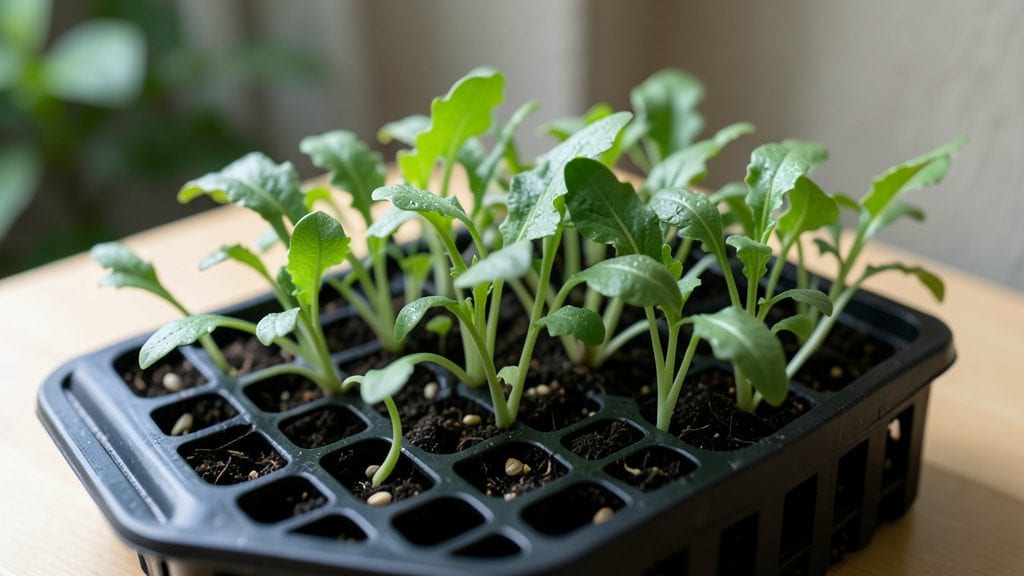
3 Science-backed tricks to speed up arugula seed germination
Arugula seeds are notorious for their slow germination—some gardeners wait 3-4 weeks just to see those first tiny sprouts. The reason? Arugula seeds have a hard seed coat and require specific conditions to break dormancy.
But don’t worry—with these science-backed tricks, you can slash that time by nearly half and enjoy baby greens in just 10-14 days.
The secret lies in mimicking the natural conditions arugula seeds experience in the wild. Research shows that moisture, warmth, and light exposure play critical roles in triggering germination. By tweaking just a few variables, you can create the perfect environment for your seeds to wake up and grow.
Let’s dive into the three most effective methods to supercharge your arugula germination.
Break dormancy with a 24-hour water soak in room-temperature water. This softens the seed coat, allowing water to penetrate faster. Use a clean cloth or paper towel to wrap seeds and keep them moist but not soggy.
Arugula seeds germinate fastest at 65-75°F (18-24°C). Place your seed tray on a seedling heat mat to maintain consistent warmth. Avoid direct heat sources like radiators, which can dry out soil too quickly.
Unlike some seeds, arugula doesn’t need darkness to germinate. Place trays under grow lights or near a sunny window as soon as you sow. This mimics natural conditions and speeds up the process by 2-3 days.
Let’s start with the first trick: soaking seeds overnight. This isn’t just a quick fix—it’s backed by botanical science. Arugula seeds have a thick seed coat that resists water absorption, which is why they often take so long to sprout.
By soaking them, you’re essentially pre-conditioning them to absorb moisture faster once planted. Studies show that pre-soaked arugula seeds can germinate up to 50% faster than dry-seeded counterparts.
For best results, use room-temperature water (not hot or cold) and a clean cloth or paper towel to wrap the seeds. This prevents them from drying out while still allowing oxygen to reach them.
After 24 hours, gently plant the seeds—no need to rinse. The moisture they’ve absorbed will kickstart germination almost immediately.
Next, let’s talk about temperature control, which is often overlooked but critical. Arugula seeds are cool-season crops, meaning they thrive in moderate temperatures. If your home or garden is too warm, germination slows down dramatically.
The ideal range is 65-75°F (18-24°C). If your space is cooler, don’t worry—just be patient. If it’s warmer, use a seedling heat mat to maintain consistency.
Avoid placing seeds near heat sources like radiators or ovens, as this can cause uneven heating and lead to mold or rot. Instead, opt for a dedicated heat mat designed for seedlings.
These mats are affordable and can make a huge difference in germination speed. Pro tip: Place a thermometer near your seed tray to monitor temperature—consistency is key!
The third trick is often surprising to new gardeners: light exposure. Many seeds need darkness to germinate, but arugula is an exception. In fact, exposing seeds to light immediately after planting can speed up germination by 2-3 days.
This is because light triggers the production of chlorophyll, which helps the seedling start photosynthesis right away. Place your seed trays under grow lights or near a south-facing window for best results.
If you’re using grow lights, keep them 2-3 inches above the seedlings and provide 12-16 hours of light per day. Avoid fluorescent lights, which don’t emit enough warmth. For natural light, a sunny windowsill works, but rotate trays daily to ensure even growth.
Remember, arugula is a cool-weather crop, so avoid placing it in direct midday sun during hot months.
Now, let’s address a common pitfall: overwatering. While moisture is essential, too much water can drown seeds or cause mold. After planting soaked seeds, keep the soil moist but not soggy. Use a spray bottle to mist the soil lightly and avoid pouring water directly onto the seeds.
A good rule of thumb is to water when the top inch of soil feels dry. Overwatering is one of the fastest ways to kill your seeds before they even sprout!
Finally, be patient but proactive. Check your seeds daily for signs of germination—you’ll see tiny radicles (root sprouts) first, followed by the shoot. Once you see 50% germination, you can reduce watering slightly to prevent mold.
With these three science-backed tricks, you’ll be harvesting fresh arugula in no time—ready to add that peppery kick to your favorite salads!
Optimal soil and environmental conditions for arugula germination
Arugula seeds thrive when given the right combination of soil conditions and environmental factors. Unlike many vegetables, arugula prefers cooler temperatures and moist, fertile soil to break dormancy quickly.
The key to success lies in mimicking its natural growing conditions—think of Mediterranean climates where it thrives in spring and fall with consistent moisture but never waterlogged soil.
One common mistake I see is using soil that’s too dense or compacted, which slows down water absorption and oxygen flow to the seeds. Arugula seeds need well-aerated soil with a pH between 6.0 and 7.0 to germinate efficiently.
If your soil leans toward acidity or alkalinity, amend it with compost or lime before planting. Even a small pH shift can delay germination by days—or worse, prevent it entirely.
Factor
Ideal Specification
Troubleshooting Tip
Soil Type
Loamy, well-draining
Add perlite or sand if soil is clay-heavy
pH Level
6.0–7.0 (neutral)
Test soil; adjust with lime (raise) or sulfur (lower)
Moisture
Consistently damp (not soggy)
Use a spray bottle to avoid displacing seeds
Temperature
60–70°F (ideal); avoid above 80°F
Use shade cloth if temps exceed 75°F
Light
Bright indirect light (4–6 hours/day)
Place near east/west window; avoid direct midday sun
Depth
¼ inch (6mm) below soil surface
Press seeds gently; don’t bury too deep
Temperature plays a critical role in arugula germination. Seeds germinate best between 60°F and 70°F, but they’ll slow dramatically if soil temps drop below 50°F or rise above 80°F.
I’ve seen gardeners in hot climates struggle with germination until they moved their trays to a shady, covered porch or used a seedling heat mat set to 70°F. If your area experiences late spring heat waves, consider starting seeds indoors under grow lights until outdoor conditions cool.
Light requirements are often misunderstood—arugula seeds don’t need darkness to germinate, but they do need consistent moisture and indirect light afterward. Once sprouts appear, provide 4–6 hours of bright light daily, but avoid harsh midday sun, which can scorch delicate seedlings.
A south-facing window with sheer curtains works perfectly, or use a LED grow light 6–12 inches above the tray for 12–14 hours a day.
Watch for mold or rot, which often signals overwatering or poor drainage. If you notice fuzzy white growth on the soil surface, reduce watering immediately and improve airflow by spacing seedlings further apart.
A light sprinkle of cinnamon powder (food-grade) can help inhibit fungal growth while seeds germinate. For stubborn mold, remove affected seeds and replant in fresh, dry soil.
With these conditions met, you’ll see first sprouts in 5–10 days, and mature plants ready for harvest in just 3–5 weeks. The secret? Paying attention to the details—soil texture, moisture balance, and temperature control—will give you the fastest, healthiest arugula crop possible. 🌱