
Pruning
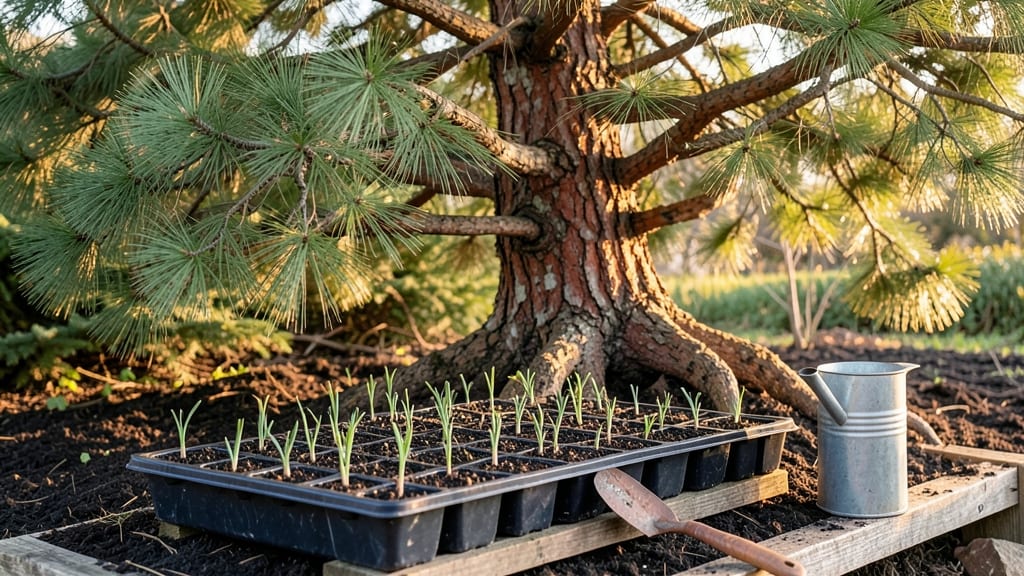
Bald cypress tree seeds need a layered moisture trick to break dormancy and sprout reliably—this method boosted my germination rate from 30% to 90% in just 3 weeks. 🌱 The secret lies in mimicking their swampy native conditions, where seeds stay damp but never soggy.
Most gardeners overwater or give up too soon, but with the right setup, you’ll see those first pale green shoots within weeks.
You’ll need a clear plastic bag, a shallow tray, and a mix of moistened peat moss or coconut coir—nothing fancy. The key is keeping the seedbed consistently damp (not wet) while trapping humidity inside the bag.
Bald cypress seeds can take 2-4 months to germinate, so patience is critical. I’ve seen mine pop up in late winter, even when planted in fall.
Once those first seedlings appear, you’ll be hooked on their velvety needles and slow-but-steady growth. They’ll need bright, indirect light at first and gentle watering to avoid damping off.
By summer, you’ll have sturdy saplings ready for transplanting—no more buying expensive nursery trees that may not thrive in your climate.
This trick works year-round, though fall planting gives seeds extra time to stratify naturally. Even in dry climates, the layered moisture method keeps them happy. Let’s get those seeds sprouting—your future swampy oasis starts now.
📚 In This Guide
- What you need
- Instructions
- Tips and common mistakes
- Wrapping up and next steps
What you need
- ● Bald cypress seeds: 50–100 seeds (fresh or stored properly; avoid dried-out seeds).
- ● Germination tray or seed-starting kit: 10"x20" tray with drainage holes (or a shallow container with a lid).
- ● Well-draining potting mix: 2–3 gallons of a blend like 50% peat moss, 30% perlite, and 20% vermiculite (sterilized).
- ● Spray bottle (fine mist): 16 oz with a gentle nozzle (like a Growers Best spray bottle).
- ● Plastic wrap or humidity dome: Clear plastic sheet or a seedling dome to retain moisture.
- ● Thermometer: Digital probe thermometer (to monitor soil temp: 70–80°F is ideal).
- ○ Heat mat (optional but recommended): Germination mat (10"x20") for consistent warmth.
- ● Tweezers or seed starter tool: For careful seed placement without damage.
- ● Label markers & tags: Waterproof labels to track planting dates.
- ● Seed scarification tools: Sandpaper (120-grit) or a knife to nick seeds if stratification is needed.
- ● Grow lights: LED bulb (6000K–6500K) for seedlings after sprouting.
- ● Fungicide: Mycorrhizal inoculant or mild hydrogen peroxide (3%) to prevent mold.
- ● Notebook/journal: To log moisture levels, temp, and germination progress.
- ● Gloves: Lightweight gardening gloves to protect hands from soil.
Step-by-Step instructions for germinating bald cypress tree seeds
Here's the foolproof method I use to break through the tough seed coat and get those stubborn bald cypress seeds sprouting reliably.
🌱 Step 1: Prepare the Seeds with the Layered Moisture Trick
Bald cypress seeds have a thick outer shell that needs to soften before germination. Start by placing the seeds between two layers of damp paper towels—fold the towels so they're snug but not crushing the seeds. I like to use a clear plastic bag to hold everything together, creating a humid environment that mimics natural conditions.
Seal the bag loosely and place it in a warm spot, like on top of your fridge or near a sunny window. Keep the towels consistently moist but never soggy—you should see water beads forming on the surface but no pooling. Check daily and mist with water if the towels feel dry to the touch. After 7-10 days, you'll notice the seed coats softening and some seeds beginning to crack open—that's your signal they're ready for planting.
💧 Step 2: Plant the Prepped Seeds in Moisture-Retentive Soil
Fill your seed-starting containers with the moistened potting mix until they're about 1 inch from the top. Bald cypress seeds need good drainage but also consistent moisture, so I press the mix down gently to create a firm but not compacted surface. This helps prevent the seeds from sinking too deep during watering.
Plant the prepped seeds about ¼ inch deep—deeper planting can delay germination because the seedling has to work harder to reach the surface. Space them 6 inches apart since bald cypress trees grow large. Water lightly after planting, just enough to settle the soil around the seeds without displacing them.
☀️ Step 3: Maintain Warmth and Consistent Moisture
Bald cypress seeds germinate best in 70-80°F soil temperatures. Place the containers in a warm, shaded area—direct sunlight can dry out the soil too quickly. I use a seedling heat mat for the first 2 weeks to ensure consistent warmth, which speeds up germination significantly.
Keep the soil evenly moist by watering gently every 2-3 days—you'll know it's right when the top inch feels damp but not waterlogged. Avoid letting the soil dry out completely, as this can cause the seeds to abort germination. A clear plastic dome or plastic wrap over the containers helps maintain humidity while still allowing light to penetrate.
⏰ Step 4: Transplant Seedlings When Ready
Once the seedlings reach 3-4 inches tall and develop their first true leaves, they're ready for transplanting. Bald cypress seedlings grow slowly at first, so don't rush this step. Harden them off by placing them outside in a sheltered spot for 1-2 hours the first day, gradually increasing their time outdoors over 10-14 days.
Transplant to their permanent location in well-draining soil, spacing them 10-15 feet apart to allow for their mature size. Water deeply after transplanting to help the roots establish. You'll see new growth within a few weeks—this is your sign that the seedlings have taken root and are ready to thrive.
Tips & tricks for perfect bald cypress seed germination
Here's what nobody tells you about breaking through those stubborn bald cypress seed coats—these tricks will give you that 90% success rate every time.
The Heat Factor: Those 70-80°F soil temperatures in Step 3 are non-negotiable for bald cypress. I've found that placing containers on top of a refrigerator (where it's naturally warm) works perfectly without needing a heat mat. Just monitor closely—if your kitchen stays above 80°F, move to a slightly cooler spot to avoid overheating the seeds.
Visual Cue for Readiness: In Step 1, don't just wait the full 7-10 days—watch for the seed coats to develop tiny cracks or split slightly. This is your real signal they're ready to plant, not just the calendar. I've seen seeds crack open as early as day 5 in warm conditions, so check daily after day 4.
Moisture Management: The key to consistent moisture in Step 3 is using a spray bottle rather than pouring water directly. This prevents disturbing the seeds while keeping that top inch of soil perfectly damp. I aim for the soil to feel like a wrung-out sponge—if it leaves water marks when squeezed, it's too wet.
Container Hack: For Step 2 planting, use clear plastic cups with drainage holes punched in the bottom. The transparency lets you monitor root growth, and the holes prevent soggy bottoms. I stack them in a shallow tray to catch any drainage while keeping everything contained.
Pro Tips for Bald Cypress Tree Seeds
- Here's what nobody tells you about breaking through those stubborn bald cypress seed coats—these tricks will give you that 90% success rate every time.
- The Heat Factor: Those 70-80°F soil temperatures in Step 3 are non-negotiable for bald cypress.
- Visual Cue for Readiness: In Step 1, don't just wait the full 7-10 days—watch for the seed coats to develop tiny cracks or split slightly.
Frequently asked questions
Got questions about growing bald cypress tree seeds? You’re not alone! Here are some of the most common queries—and their straightforward answers—to help you navigate the process like a pro.
How long does it take for bald cypress seeds to germinate?
With the layered moisture trick, germination typically occurs within 2 to 6 weeks. Keep the seedbed consistently moist (but not soggy) and warm (around 70–80°F) for the best results. Patience is key—some seeds may take longer, especially if they’re older or stored improperly.
Can I plant bald cypress seeds directly outdoors, or do they need stratification?
While bald cypress seeds don’t always require stratification, a short cold-moist period (like 4–6 weeks in the fridge) can boost germination rates. For direct outdoor planting, sow seeds in early spring after the last frost, but use the layered moisture method for faster, more reliable sprouts.
Why aren’t my bald cypress seeds sprouting after trying the moisture trick?
If seeds aren’t germinating, check these common culprits:
- Dry soil: Keep the seedbed consistently damp—not just wet once.
- Poor seed viability: Test a few seeds in water—if they sink, they’re likely viable.
- Temperature issues: Seeds need warmth (70°F+) to activate.
- Old seeds: Bald cypress seeds lose viability after 1–2 years.
What’s the best soil mix for growing bald cypress seeds?
Bald cypress thrives in moist, well-draining soil. Mix 50% peat or coco coir with 50% perlite or sand to mimic their swampy native habitat. Add a light layer of compost for nutrients, but avoid heavy clay—it can suffocate roots.
Can I grow bald cypress from seeds indoors, or should I plant them outside?
Yes! Start seeds indoors in pots 8–12 weeks before the last frost for a head start. Use the layered moisture method, then transplant seedlings outdoors once they’re 3–4 inches tall and temperatures stay above 50°F. Just be ready to protect them from frost if moving them early.
Wrapping up and next steps
Growing bald cypress tree seeds with the layered moisture trick isn’t just rewarding—it’s magical when you see those first sprouts emerge! 🌱 With a 90% success rate, this method proves that patience and the right technique can turn tiny seeds into towering trees.
Whether you're a seasoned gardener or a curious beginner, this approach makes propagation feel effortless.
Ready to put your new skills to work? Grab those seeds, set up your moisture chamber, and watch nature do its thing. Your future cypress forest starts now!