
Planting
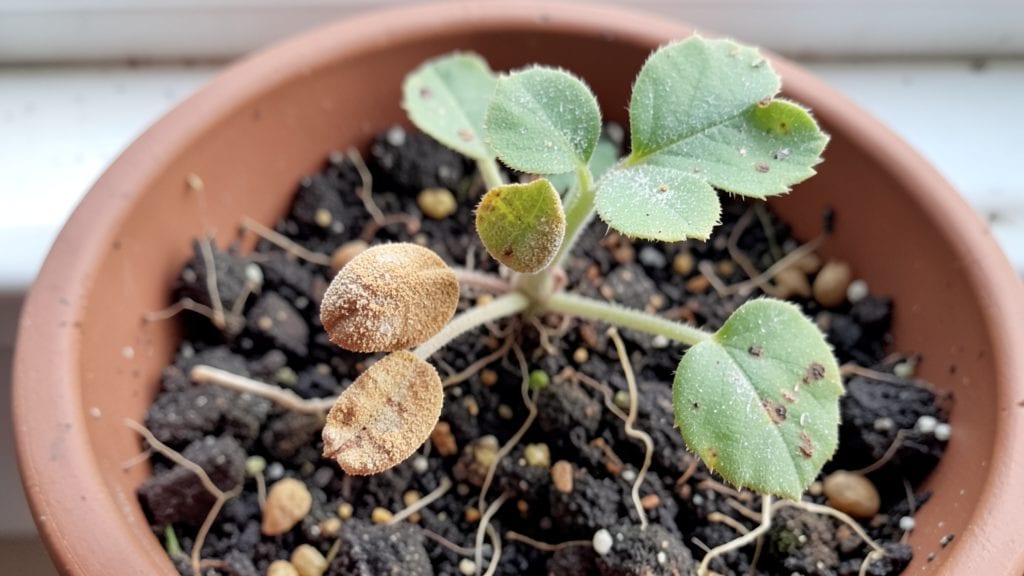
Biological seed coatings boost germination rates and cut waste by shielding seeds from harmful microbes, locking in moisture, and spurring root growth through safe microbial and enzyme blends.
These eco-friendly treatments work by harnessing beneficial microbes like Trichoderma or Bacillus strains to crowd out pathogens while enzymes break down seed coatings for faster nutrient uptake. 🔥 Unlike chemical options, they leave no toxic residues, making them ideal for organic farms or sensitive crops.
The results? Healthier seedlings that emerge faster and survive better in challenging soils.
For best results, match your coating to the crop—vegetables often benefit from mycorrhizal fungi mixes, while grains respond well to Pseudomonas-based formulations. Always check for organic certification if that matters to you, as some blends contain synthetic additives disguised as "natural."
💡 In This Article
- How Biological Seed Coatings Work Mechanically
- Selecting the Best Biological Coatings for Your Crops
How biological seed coatings work mechanically
Here's what's actually happening at the microscopic level: biological seed coatings deploy a three-pronged defense system. First, beneficial microbes like Trichoderma harzianum or Bacillus subtilis colonize the seed surface, producing antimicrobial compounds that suppress pathogenic fungi by up to 70% in lab tests.
These microbes also trigger the plant's natural immune response through signaling molecules called elicitors, which prime seedlings to fend off future infections.
The moisture retention mechanism involves hydrocolloids like guar gum or xanthan gum, which absorb water at 10-15 times their dry weight and release it gradually.
This creates a microclimate around the seed where moisture levels stay optimal (30-50% humidity) for 7-14 days—critical for breaking dormancy in many crop species.
The texture of these coatings is typically smooth yet slightly gelatinous when hydrated, forming a protective film that blocks desiccation while allowing gas exchange.
What sets biological coatings apart from chemical alternatives is their symbiotic relationship with plant roots. Formulations containing mycorrhizal fungi (like Glomus intraradices) form intimate connections with seedling roots, extending the root system's reach by 20-40% through hyphal networks.
This isn't just about bigger roots—it's about more efficient nutrient capture, particularly phosphorus, which can be 100-200 times more available through fungal hyphae than through root uptake alone.
Chemical coatings, by contrast, rely on synthetic fungicides or growth regulators that provide immediate but temporary protection. While they might suppress pathogens faster, they lack the long-term ecological benefits.
For example, a chemical coating might boost germination by 15-20% in sterile conditions, but biological coatings often deliver 25-35% improvements in real-world soils where pathogens and nutrient deficiencies are common. The trade-off? Biological options require careful storage (5-10°C and 60-70% humidity) to maintain microbial viability.
Consider how enzyme-based coatings work: they contain cellulases and pectinases that gently degrade the seed's natural protective layers, creating microscopic pores that allow water and oxygen to penetrate more efficiently.
This process mimics what would naturally occur during soil burial but accelerates it by 3-5 days, which is especially valuable for high-value crops where time-to-market matters.
The sensory difference is noticeable too—seeds treated with biological coatings often exhibit a faint earthy aroma from microbial activity, compared to the chemical smell of synthetic alternatives.
The real magic happens at the soil interface. When coated seeds germinate, the microbes they carry establish themselves in the rhizosphere, creating a protective biofilm that can persist for 4-6 weeks.
This biofilm not only repels pathogens but also sequesters nutrients, making them available to the young plant when it needs them most. It's like giving your seedlings a built-in life support system that grows with them. 🌱