Companion Plants
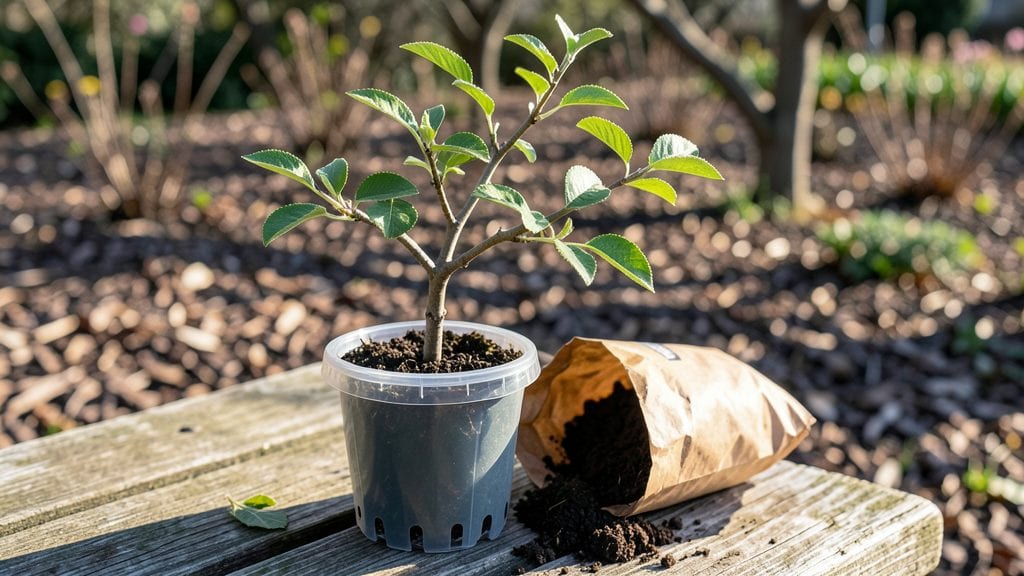
You can plant an apple seed to grow a tree, but the fruit will likely differ from the parent apple due to genetic variation, and it may take years—if ever—to produce edible fruit. Most commercial apple varieties are grafted for predictable traits and quality.
Growing an apple tree from seed taps into nature's genetic roulette wheel—each seed carries a unique mix of traits from two parent trees, thanks to cross-pollination. 🌱 This means your new tree might produce tiny, tart apples (or none at all) instead of the sweet, juicy fruit you started with.
Commercial growers avoid this unpredictability by grafting desirable varieties onto hardy rootstock, ensuring consistent flavor and disease resistance. If you're patient and lucky, your seedling could develop into a hardy tree with surprising characteristics, but don't expect it to match your favorite grocery store apple.
For the best results, collect seeds from organic apples (avoid treated ones), stratify them in moist sand for 6-8 weeks in the fridge, then plant in well-draining soil. Young trees need full sun and regular watering, but be prepared for a 10-year wait before potential fruit appears.
Many gardeners treat this as an experiment rather than a reliable food source—though the process itself makes for fascinating backyard science!
💡 In This Article
- Why Apple Seedlings Rarely Match the Parent Fruit
- How to Successfully Grow an Apple Tree from Seed
Why apple seedlings rarely match the parent fruit
Here's what's actually happening when you plant an apple seed: most commercial apple varieties are heterozygous, meaning they carry two different sets of genes for traits like size, sweetness, and texture.
When two different apple trees cross-pollinate, their seeds inherit a random mix of these genes—think of it like rolling two genetic dice. 🌟 This explains why your seedling might produce tiny, mealy apples with a completely different flavor profile than the parent fruit.
For example, a Honeycrisp apple grown from seed could yield trees bearing fruit that's more like a crabapple—small, tart, and inedible to most people.
The key factor is cross-pollination between different apple varieties. Even if you save seeds from a single apple, that fruit was likely pollinated by bees carrying pollen from another tree in your neighborhood. This genetic shuffle creates what scientists call genetic recombination, where traits get mixed in unpredictable ways.
The resulting tree might inherit disease resistance from one parent but poor fruit quality from another. 🍏 Commercial growers avoid this by using cloning through grafting, where they take a cutting from a known good tree and attach it to a hardy rootstock.
What most people don't realize is how dramatically this affects fruit development. Seed-grown apple trees often take 10-15 years to bear fruit (if they ever do), and when they do, the apples may be 20-50% smaller than their parent variety.
The tree's growth habit also changes—some become sprawling and weak, while others develop thick, crabapple-like branches. This is why you'll rarely see seed-grown apples in orchards: the unpredictability makes commercial farming impractical. Even when fruit does develop, it often lacks the aroma compounds that make store-bought apples so appealing.
The science behind this involves epigenetics too—environmental factors during the seed's development can further modify which genes get expressed.
For instance, a seed that developed in a stressful environment (like a tree fighting disease) might produce offspring with different growth patterns. 🌱 This explains why some seed-grown trees thrive in your backyard while others struggle, even with identical care.
Commercial orchards control for this by using certified rootstock and grafting, ensuring every tree produces consistent fruit year after year.
Consider these key differences between seed-grown and grafted trees:
- Fruit quality: Seed-grown apples often have lower sugar content (10-15% vs 18-22% in commercial varieties) and higher acidity
- Tree vigor: Seedlings may grow 30% faster initially but often develop weaker wood structure
- Disease resistance: Random genetic mixing can create some resistant varieties, but also increases vulnerability to pests
- Pollination needs: Seed-grown trees often require cross-pollination from multiple varieties to set fruit
The most fascinating aspect is how this genetic diversity actually benefits ecosystems. While your seed-grown apple tree might not produce grocery-store-quality fruit, it could develop unique traits that thrive in your specific climate.
Some gardeners have discovered seed-grown trees that produce exceptionally cold-hardy or disease-resistant apples—though finding these is pure luck. 🌿 This is why many orchardists maintain seedling collections: you never know what valuable traits might emerge from nature's genetic experiments.
For those curious about the commercial side, grafting explains why you'll never see a "Honeycrisp seedling" in stores. The process involves taking a scion (a young shoot from the desired variety) and attaching it to a rootstock (a hardy, disease-resistant root system).
This ensures the tree produces fruit identical to its parent while inheriting the rootstock's hardiness—like getting the best of both worlds. 🌳 The rootstock accounts for about 60-70% of the tree's total biomass, making it the foundation of commercial orchard success.