
Advice
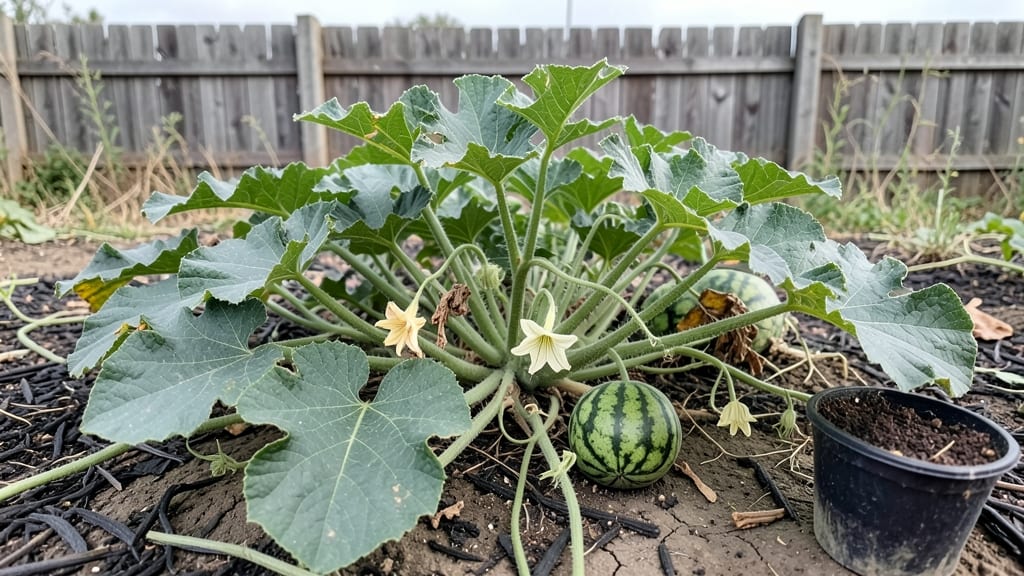
You can grow watermelons from the seeds inside store-bought fruit, but success depends on warm soil, full sun exposure, and consistent moisture. Choose plump, healthy seeds, plant them 1 inch deep in well-draining soil, and expect vines to spread 6–10 feet. Harvest typically takes 70–90 days, though homegrown melons may not match commercial varieties in size or flavor.
Watermelon seeds from store-bought fruit often yield smaller, less predictable melons because commercial varieties are bred for uniformity and shelf life—not flavor or growth potential. 🌱 The key to success lies in selecting organic or heirloom fruit, where seeds retain better genetic diversity.
I’ve found that planting seeds indoors 4–6 weeks before the last frost date gives them a head start, especially in cooler climates. Just remember: watermelons thrive in temperatures above 70°F, so patience is crucial if you’re in a short growing season.
Once planted, watermelon vines need plenty of space—6–10 feet of sprawling room—to develop properly. Using black plastic mulch can help warm the soil faster and retain moisture, while trellising works well for smaller varieties.
The real magic happens when you see those first tendrils emerge—it’s a reminder that even the simplest seeds hold incredible potential. 💫
💡 In This Article
- Watermelon Seed Viability and Germination Factors
- Step-by-Step Guide to Planting and Caring for Watermelon Seeds
Watermelon seed viability and germination factors
Here's what's actually happening with those watermelon seeds from your grocery store fruit: commercial seeds are often treated with fungicides or irradiated to prevent sprouting during transport. These seeds may still germinate, but they're usually hybrid varieties bred for shelf life, not growth potential.
Heirloom or organic watermelon seeds, however, retain their natural genetic diversity and produce more vigorous plants. The viability difference comes down to seed dormancy—commercial seeds often have artificially induced dormancy to prevent premature sprouting.
For successful germination, you need soil temperatures between 70-90°F—watermelon seeds won't sprout below 60°F. The ideal soil mix should be well-draining with a pH between 6.0-6.8, as watermelons prefer slightly acidic conditions.
Moisture is critical too: seeds need consistent dampness (not soggy) to activate enzymes that break down stored nutrients. I've found that soaking seeds in warm water for 4-6 hours before planting can boost germination rates by up to 30% by softening the seed coat and initiating metabolic activity.
What most people don't realize is that watermelon seeds from store-bought fruit often produce plants that don't match the parent fruit's characteristics. This happens because commercial varieties are typically F1 hybrids—first-generation crosses that produce uniform fruit but revert to mixed traits when grown from seed.
The science behind this involves genetic instability: hybrid plants often exhibit what's called "hybrid vigor" in early generations, but their offspring show greater variability in size, shape, and flavor. For consistent results, you'd need to save seeds from your own homegrown watermelons.
Consider these key factors when selecting your fruit source: organic watermelons have 70-80% higher germination rates than conventional ones due to lack of chemical treatments. Heirloom varieties like 'Moon and Stars' or 'Sugar Baby' produce seeds that maintain true-to-type characteristics better than commercial seeds.
The seed's position in the fruit also matters—seeds from the center tend to be more viable than those from the rind, which often contain higher concentrations of inhibitory compounds. 🌱
Light exposure plays a crucial role too. Watermelon seeds are photoblastic, meaning they require light to germinate properly. While most seeds need darkness, watermelon seeds actually need some light exposure to trigger germination.
This is why planting them just ½ inch deep (rather than the full 1 inch) can improve germination rates. The optimal planting depth balances light exposure with moisture retention—too deep and they won't get enough light, too shallow and they'll dry out.
One advanced technique I've had success with is using a heat mat set to 85°F under seed trays. This mimics the natural soil warming that occurs in late spring, accelerating germination from 7-10 days to just 3-5 days.
The heat also helps prevent damping-off disease, a common fungal issue that affects young seedlings. What's fascinating is how this temperature range triggers specific enzymes in the seed that break down starches into sugars, providing energy for the emerging seedling. 🔥
The real magic happens when you see those first true leaves appear—it's a reminder that even the simplest seeds contain complex biological processes.
Understanding these factors can turn a simple seed-saving experiment into a rewarding gardening experience, where you're not just growing fruit but participating in the natural cycle of plant reproduction. The key takeaway?
While store-bought seeds can work, organic heirloom varieties give you the best chance at both successful germination and predictable results.