
Pests
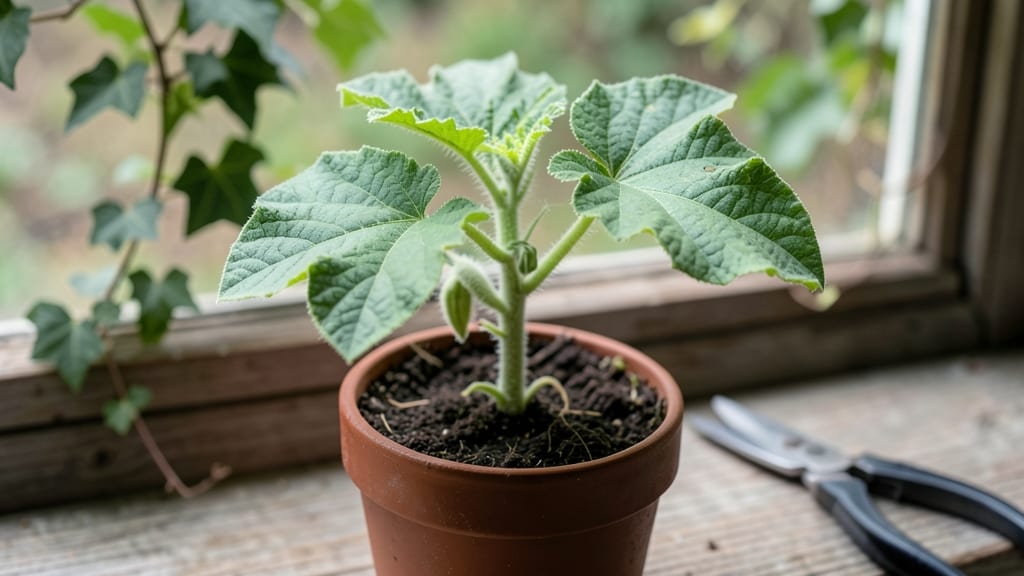
My cantaloupe seedling leaves were turning into sad little skeletons before I learned these telltale signs of trouble—here’s the first clue. 🌱 Tiny clusters of white, fluffy spots on the undersides of leaves—powdery mildew—or the sticky residue left by aphids that signals an infestation.
I thought I’d lost my first batch until I caught these early warnings.
Yellowing edges or curled leaves? That’s often spider mites or too much heat stress. The fix starts with a simple inspection: check undersides of leaves daily, especially after watering. Neem oil spray stops powdery mildew dead in its tracks, while a strong spray of water blasts aphids off plants.
For spider mites, I mix a drop of dish soap with water—it works like magic without harsh chemicals.
📚 In This Guide
- What you need
- Instructions
- Tips and common mistakes
- Wrapping up and next steps
What you need
- ● Hand lens or magnifying glass – For close-up inspection of leaves (5x-10x magnification recommended).
- ● Spray bottle (8–16 oz) – For diluted solutions (e.g., neem oil or insecticidal soap).
- ● Gloves (nitrile or rubber) – 1 pair to protect hands from pests/solutions.
- ● Pruning shears (sterilized) – Small, sharp pair for trimming damaged leaves.
- ○ Spray nozzle or hose attachment – For even application of treatments (optional but helpful).
- ● Neem oil (100% cold-pressed) – 16 oz bottle (dilute 1–2 tbsp per gallon of water).
- ● Insecticidal soap (organic, pyrethrin-free) – 16 oz spray bottle.
- ● Diatomaceous earth (food-grade) – 1 lb jar (apply lightly as a dust).
- ● Yellow sticky traps – 2–4 traps per plant (for monitoring aphids/whiteflies).
- ○ Beneficial nematodes (optional) – For soil-dwelling pests (follow package rates).
- ● Well-draining potting mix – 5–10 gallons (if repotting seedlings).
- ● Balanced fertilizer (5-5-5 or 10-10-10) – For post-treatment recovery (1 tbsp per gallon of water).
- ○ Row covers (floating fabric) – For protecting seedlings from pests (optional).
How to diagnose and revive stressed cantaloupe seedling leaves
When those first true leaves wilt or yellow, it’s not always pests—often it’s a simple fix you can spot in minutes.
🌿 Step 1: Inspect for Early Signs of Stress
Start by examining the undersides of leaves with a magnifying glass or even a bright phone flashlight. Look for tiny webs, sticky residue, or tiny holes—these are your first clues. Yellowing between leaf veins often signals overwatering, while crispy edges mean underwatering. I always check the soil moisture first because seedlings can’t tell you when they’re thirsty.
Run your fingers along the stems. Soft, mushy spots mean damping-off fungus (a seedling’s worst enemy), while dry, brittle stems suggest aphids or spider mites have drained the plant. If the leaves feel rough or have white fuzz, that’s powdery mildew—common in humid conditions. Don’t panic yet; most issues are fixable with the right approach.
💧 Step 2: Adjust Watering and Improve Airflow
Water seedlings only when the top inch of soil feels dry—not on a schedule. I use a moisture meter for accuracy, but your finger works too. Overwatering suffocates roots, while underwatering stresses plants into pest vulnerability. If you’ve been watering from above, switch to a drip irrigation system or watering can with a narrow spout to avoid wetting leaves.
Space seedlings 12-18 inches apart immediately—crowding traps moisture and invites fungal diseases. If you’re growing in containers, ensure pots have drainage holes and elevate them on saucers to prevent soggy roots. A small fan on low setting for 1-2 hours daily strengthens stems and deters pests by keeping humidity in check.
✂️ Step 3: Treat Pests Without Harming Seedlings
For aphids or spider mites, spray leaves with a soapy water solution (1 tsp mild dish soap per quart of water) in the early morning. Avoid harsh chemicals—seedlings are delicate. Repeat every 3-4 days until pests vanish. If you see whiteflies, trap them with yellow sticky cards placed near the plants.
For powdery mildew, remove infected leaves immediately and spray with a baking soda mix (1 tsp baking soda + 1 quart water + a drop of dish soap). Apply in the evening to prevent leaf burn from sunlight. Increase airflow around seedlings by pruning nearby plants or moving containers to a sunnier, breezier spot.
☀️ Step 4: Optimize Light and Nutrients
Leggy, pale seedlings need more light—move them within 6 inches of a grow light or to a south-facing window. If leaves cup upward or develop brown tips, they’re reaching for light. A reflective surface (like aluminum foil on the shelf below) bounces extra light upward for free.
Fertilize only when true leaves appear (not the first tiny seed leaves). Use a balanced, water-soluble fertilizer (like 10-10-10) at half-strength every 2 weeks. Overfeeding burns seedlings, while underfeeding stunts growth. I always mix fertilizer into water first to avoid salt buildup on soil.
⏰ Step 5: Monitor and Prevent Future Issues
Check seedlings daily for 7-10 days after treating pests or adjusting care. Healthy leaves should be deep green, firm, and upright. If new growth appears weak or distorted, repeat the soapy water spray or adjust watering. Keep a garden journal to track what works—note dates, treatments, and weather conditions.
Rotate seedlings a quarter turn every 2 days so they grow straight toward light, not lopsided. Harden off seedlings before transplanting by placing them outside for 1-2 hours daily a week before moving them to the garden. This toughens them up and prevents shock. With consistent care, your cantaloupe seedlings will bounce back stronger than ever.
Tips & tricks for reviving stressed cantaloupe seedlings
A few simple strategies can turn your struggling seedlings around—here's how to spot problems early and save them before they're lost.
Inspection is Key: In Step 1, when examining leaves, focus on the undersides first—this is where pests like aphids and spider mites hide. Use a bright light or magnifying glass to spot tiny webs or sticky residue that's often invisible to the naked eye. I've caught early infestations this way that would have become full-blown crises if left unchecked. The sooner you identify the issue, the easier it is to fix.
Watering Wisdom: The soil moisture check in Step 2 is your best friend. Stick your finger about an inch deep—if it feels dry, it's time to water. If it's still damp, wait another day. I've learned the hard way that seedlings can't tell you when they're thirsty, and overwatering is the #1 cause of damping-off fungus. For containers, always check the bottom—if water's pooling, your drainage holes aren't working properly.
Pest Prevention: When treating pests in Step 3, timing matters. Spray your soapy water solution in the early morning when pests are most active and the leaves are dry. I've found that adding a drop of neem oil to the soapy water mix makes it even more effective against aphids and spider mites. Always test your spray on a small leaf first to make sure it won't burn your seedlings.
Light Optimization: For Step 4, if your seedlings are reaching for light, move them immediately. I've seen cantaloupe seedlings grow completely lopsided when they're not getting enough light from one direction. A simple trick is to place a small mirror or aluminum foil behind your seedlings to reflect more light upward. This can make a huge difference, especially in cloudy conditions.
Pro Tips for Cantaloupe Seedling Leaves
- A few simple strategies can turn your struggling seedlings around—here's how to spot problems early and save them before they're lost.
- Inspection is Key: In Step 1, when examining leaves, focus on the undersides first—this is where pests like aphids and spider mites hide.
- Watering Wisdom: The soil moisture check in Step 2 is your best friend.
Frequently asked questions
Got questions about cantaloupe seedling leaves? You’re not alone! Here are some of the most common concerns—and quick fixes—to keep your seedlings thriving.
Why are my cantaloupe seedling leaves turning yellow?
Yellowing leaves (chlorosis) often signal overwatering, nutrient deficiencies (like nitrogen or iron), or root rot. Check soil moisture—it should be damp but not soggy. If roots look mushy, repot in fresh, well-draining soil. For deficiencies, use a balanced fertilizer or foliar spray.
What pests attack cantaloupe seedling leaves?
Watch for aphids (sticky residue), spider mites (tiny webs), and cucumber beetles (chewed holes). Spray seedlings with neem oil or insecticidal soap for mild infestations. For beetles, use row covers or handpick them early. Prevent future issues with healthy soil and crop rotation.
How long does it take for cantaloupe seedling leaves to recover from damage?
Recovery time depends on the issue: Mild pest damage may heal in 3–7 days with treatment, while severe stress (like root rot) can take 2–4 weeks or require replanting. Keep seedlings in bright, indirect light and avoid overwatering to speed healing. Prune damaged leaves to redirect energy to new growth.
Can I use cantaloupe seedling leaves for anything if they’re unhealthy?
Unfortunately, pest-infested or diseased leaves shouldn’t be composted (they can spread issues). However, healthy but small leaves can be chopped and composted or used as mulch for other plants. Always inspect before repurposing—when in doubt, toss them in the trash.
What’s the best temperature for cantaloupe seedling leaves to grow strong?
Cantaloupe seedlings thrive in 70–90°F (21–32°C) soil and air temps. Below 50°F (10°C), growth slows, and leaves may turn purple or stunted. Use a heat mat for indoor starts or row covers outdoors. Avoid cold drafts or sudden temp drops, which stress seedlings.
Wrapping up and next steps
Caring for your cantaloupe seedling leaves doesn’t have to be stressful—with the right knowledge, you can quickly identify and treat pests before they wreak havoc. Whether it’s aphids, spider mites, or fungal issues, early action ensures your plants thrive and reward you with sweet, juicy fruit later. 🌱
Now that you’re equipped with solutions, take action today! Start by inspecting your seedlings, applying the remedies you’ve learned, and keeping a watchful eye for new signs of trouble. Your future cantaloupe harvest will thank you! 🍉✨