Propagation
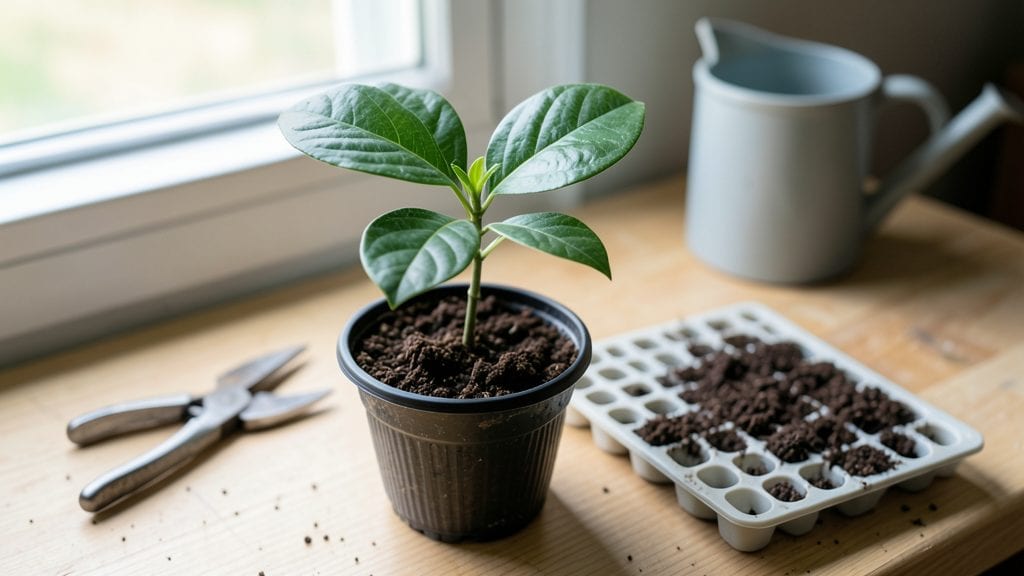
Growing a carambola tree from seed starts with that star-shaped fruit you’ve probably never tried. 🌱 I’ve grown half a dozen from grocery store scraps, and while they won’t bear fruit for years, the journey from seed to sapling is pure tropical magic.
The key? Patience—and knowing exactly how to coax those stubborn seeds into sprouting.
You’ll need just three things: fresh carambola seeds, a small pot with drainage, and a warm spot near a sunny window. The trickiest part is germination—some seeds take weeks to crack open, but once they do, you’ll see tiny roots within days.
I’ve found soaking seeds overnight speeds things up, though not every seed cooperates. That’s where the fun begins: troubleshooting weak sprouts or leggy seedlings.
By the time you’ve transplanted your 6-inch sapling, you’ll have a lush, glossy-leaved tree that thrives in humidity and warmth. These plants grow fast—expect 2-3 feet in their first year—and their star-shaped leaves are stunning even if fruit takes a decade.
The real payoff? A conversation piece for your patio or greenhouse, and maybe one day, actual fruit if you’re lucky.
Works best in zones 10-12, but even in cooler climates, you can grow them as container plants. Here’s how to keep them alive through the tricky early months—without losing hope when germination stalls.
📚 In This Guide
- What you need
- Instructions
- Tips and common mistakes
- Wrapping up and next steps
What you need
- ● Carambola seeds: 3–5 fresh, plump seeds (harvested from a ripe, organic carambola fruit). Pro tip: 💡 Rinse seeds thoroughly to remove fruit residue before planting!
- ● Small pots or seed trays: 2–3 biodegradable pots (3–4 inches in diameter) or a seed tray with drainage holes.
- ○ Well-draining potting mix: A high-quality seed-starting mix (avoid garden soil—it can compact and suffocate roots). Optional: 🌡️ Add perlite or vermiculite (20% mix) for extra aeration.
- ● Plastic wrap or humidity dome: To create a mini greenhouse effect and retain moisture.
- ● Spray bottle: For gentle watering (avoid over-saturating seeds).
- ○ Grow lights or sunny windowsill: A warm, bright spot (70–80°F) with indirect light for seedlings. Optional: 🎯 A small LED grow light (12–14 hours/day) speeds up germination.
- ● Larger container or garden bed: A 5-gallon pot or in-ground spot (if climate permits) for transplanting once seedlings are 6+ inches tall.
- ● Fertilizer (balanced, water-soluble): 5-5-5 or 10-10-10 NPK ratio (use sparingly—start with half-strength once leaves appear).
- ● Seedling heat mat (to maintain warmth during germination).
- ● Humidity tray (a shallow tray with pebbles and water to increase ambient moisture).
- ● Pruning shears (for future shaping or removing damaged leaves).
- ● Mulch (straw or wood chips) to retain soil moisture after transplanting.
- ● pH testing kit (ideal soil pH for carambola: 6.0–7.0).
Step-by-step instructions for growing carambola trees from seed
Turn those star-shaped fruit scraps into a thriving citrus tree with this simple, rewarding process.
🌱 Step 1: Extract and Prepare the Seeds
Start with fresh carambola fruit—cut it open and remove the seeds immediately. Rinse them gently to remove any pulp residue, then lay them on a paper towel to air-dry for 24 hours. This prevents mold from forming during germination. I like to place them in a single layer on a mesh screen or rack where airflow circulates freely.
Once dry, store the seeds in a sealed container with a damp paper towel inside. Keep it in a cool, dark place (around 60-65°F) for 2-3 weeks to stratify. This mimics natural winter conditions and breaks seed dormancy. You'll know they're ready when the outer coating softens slightly—just press gently to test.
💧 Step 2: Plant the Seeds in Germination Medium
Fill a small 4-inch pot with sterile seed-starting mix (not garden soil—it's too dense). Moisten it until damp but not soggy, then press the mix down lightly to remove air pockets. Make a ¼-inch deep hole with your finger and place 1-2 seeds inside, spacing them 1 inch apart. Cover them lightly with more mix—just enough to hide them completely.
Place the pot in a clear plastic bag or cover it with a humidity dome to trap warmth and moisture. Keep it in bright, indirect light (like a north-facing window) and maintain a 70-75°F temperature. Germination can take 2-6 weeks, so patience is key. I check daily for condensation on the bag—if it fogs up, the humidity is perfect. If it stays dry, mist the soil lightly.
☀️ Step 3: Transplant and Provide Optimal Light
Once seedlings reach 2-3 inches tall and develop their first true leaves (not the tiny seed leaves), it's time to transplant. Gently remove them from the germination pot, being careful not to damage the delicate roots. Transfer each seedling to its own 6-inch pot filled with a mix of 50% potting soil and 50% perlite for drainage.
Place the pots in a sunny spot where they’ll get 6-8 hours of direct sunlight daily. Carambola trees thrive in warmth, so if your home runs cooler than 65°F, supplement with a grow light kept 4-6 inches above the plants. You’ll notice leaves turning darker green and stems thickening—this signals strong, healthy growth. Avoid overwatering; let the top ½ inch of soil dry out between waterings.
🪴 Step 4: Prune and Train for Strong Growth
When seedlings hit 6 inches tall, pinch off the top set of leaves to encourage bushier growth. This might sound counterintuitive, but it triggers side branches to form, creating a fuller tree. Use clean, sharp scissors to make the cut just above a leaf node. I also rotate the pots a quarter turn weekly so the stems grow straight instead of leaning toward the light.
After 3-4 months, if your seedlings have outgrown their pots, transplant them into 1-gallon containers with fresh potting mix. Carambola trees grow slowly at first, but consistency pays off. Keep them in full sun and water deeply once a week, letting excess water drain away completely. You’ll start seeing tiny citrus-scented flowers in 2-3 years—if all goes well!
Tips & tricks for growing carambola trees from seed
Here's what I learned the hard way about growing these star-shaped fruit trees from kitchen scraps.
Seed Preparation: Don't rush the 24-hour drying time—this is critical for preventing mold. I learned this after my first batch developed fuzzy white spots. Place seeds on a mesh screen in a well-ventilated area where air circulates freely. You'll know they're properly dried when they feel slightly papery to the touch.
Temperature Matters: The 60-65°F stratification temperature is non-negotiable for breaking dormancy. If your home runs warmer, place the container in a refrigerator or unheated basement. I keep mine in my garage during winter months. After the 2-3 week period, you'll notice the outer seed coating softens—this is your cue that germination is about to begin.
Germination Environment: Maintain that 70-75°F range during germination by placing your covered pot near a warm spot. I use a seedling heat mat under my germination containers for consistent warmth. The plastic bag creates a mini greenhouse effect—just remember to check for condensation daily. If you see water droplets on the bag, you've got perfect humidity. If it stays dry, give it a light misting.
Lighting Strategy: Those 6-8 hours of direct sunlight are essential for strong seedlings. If your home doesn't get enough natural light, supplement with a grow light kept 4-6 inches above the plants. I rotate my pots daily to ensure even growth—you'll notice the stems grow straight instead of stretching toward one light source. The first true leaves (not the tiny seed leaves) indicate it's time for transplanting.
Pro Tips for Carambola From Seed
- Here's what I learned the hard way about growing these star-shaped fruit trees from kitchen scraps.
- Seed Preparation: Don't rush the 24-hour drying time—this is critical for preventing mold.
- Temperature Matters: The 60-65°F stratification temperature is non-negotiable for breaking dormancy.
Frequently asked questions
Growing carambola from seed is exciting, but you might have questions along the way! Here are some common ones to help you succeed:
How long does it take for a carambola seed to sprout?
A carambola seed typically sprouts within 2 to 4 weeks if kept in warm, moist conditions. Patience is key—some seeds may take longer, especially if the environment isn’t ideal. Keep the soil consistently damp (not soggy) and place the pot in a bright, indirect light spot to encourage germination.
When will my carambola tree produce fruit?
Carambola trees grown from seed can take 5 to 7 years (or even longer) to bear fruit. This slow process is why many gardeners opt for grafted trees, which fruit in 2 to 3 years. If you’re in it for the long haul, though, your homegrown tree could reward you with delicious star-shaped fruit!
Can I grow carambola from seed indoors?
Yes! Start your carambola seed indoors in a warm, sunny spot (like a windowsill) until it’s strong enough to transplant outdoors. Use a grow light if natural light is limited. Once the seedling has 3–4 true leaves and warm weather arrives, gradually acclimate it to outdoor conditions over 1–2 weeks to avoid shock.
Why isn’t my carambola seed germinating?
If your seed isn’t sprouting, check these common issues:
- Cold soil: Carambola seeds need warmth (70–85°F) to germinate. Try using a seedling heat mat or placing the pot near a warm spot.
- Dry soil: Keep the soil moist but not waterlogged—overwatering can suffocate the seed.
- Old or low-quality seeds: Fresh seeds (from ripe fruit) have higher success rates.
Can I use carambola seeds from store-bought fruit?
Store-bought carambola seeds are 100% viable for growing, as long as the fruit was fresh and ripe when purchased. Just rinse the seeds thoroughly to remove any fruit residue, then dry them before planting. Pro tip: Soak seeds in warm water for 24 hours before planting to soften the outer shell and speed up germination.
Wrapping up and next steps
Growing a carambola tree from seed is a rewarding journey that connects you to nature’s bounty—right from your kitchen! 🌱 With patience, the right conditions, and a little care, you’ll nurture a tropical treasure that could yield delicious fruit in just a few years.
Whether you’re a beginner or a seasoned gardener, every step is a chance to learn and celebrate the magic of propagation.
Ready to take the next step? Start with a single seed today—plant it, tend to it, and watch your tropical dream grow! Share your progress with fellow plant enthusiasts or even gift a sapling to a friend. The possibilities are as sweet as the fruit itself.