
Vegetables
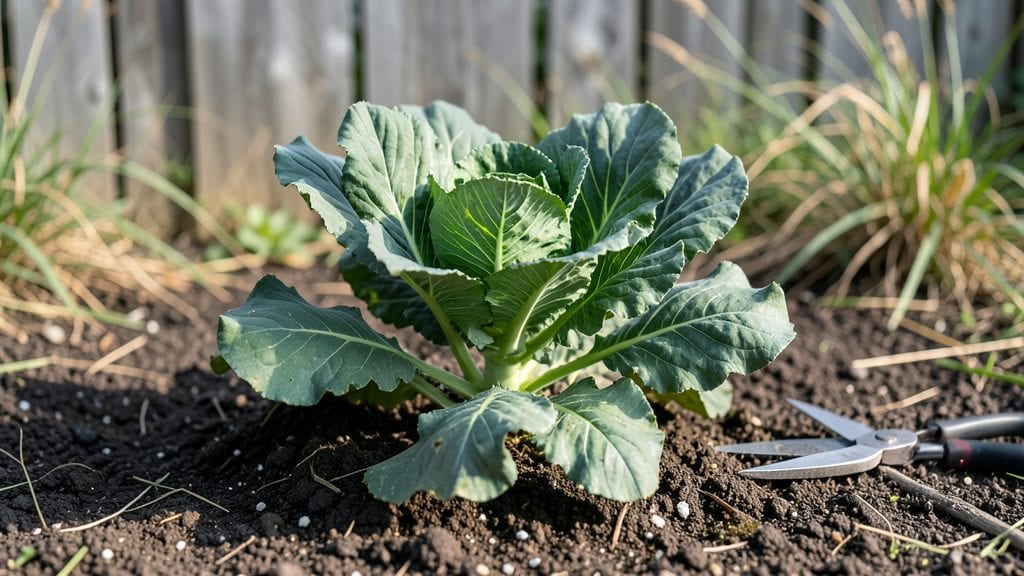
Cauliflower seedling leaves reveal everything about your plant’s health—yellowing, wilting, or holes mean it’s screaming for help. 🌱 I’ve nursed back dozens of struggling seedlings by spotting these early signs before they turn into full-blown problems.
The key is acting fast: fix the soil, watch for pests, and adjust watering before the plant gives up.
Start by comparing your seedlings to healthy leaves—bright green, sturdy stems, and no spots. If yours look dull or spotted, check for overwatering (soggy soil = root rot) or pests like cabbage worms hiding under the leaves.
A quick spray of neem oil or introducing ladybugs can turn things around in days. Most issues fix themselves once you correct the root cause.
📚 In This Guide
- What you need
- Instructions
- Tips and common mistakes
- Wrapping up and next steps
What you need
- ● Cauliflower seeds – Choose a leafy or self-blanching variety (e.g., ‘Snowball Y Improved’ or ‘Purple of Sicily’). (1–2 packets, ~50–100 seeds)
- ● Seed-starting trays or biodegradable pots – (6–12 cell trays or 2–3" pots) with drainage holes.
- ● Seed-starting mix – Lightweight, sterile, and well-draining (avoid garden soil). (1–2 cubic feet)
- ● Grow lights or sunny windowsill – (12–16 hours of light/day; LED grow lights work great)
- ● Watering can with a fine rose – For gentle, even moisture.
- ● Plant labels & markers – To track varieties and planting dates.
- ○ Spray bottle – For misting seeds (optional but helpful for humidity).
- ○ Heat mat (optional) – Keeps soil warm (70–80°F) for faster germination. (Not required but speeds up growth!)
- ● Fertilizer (balanced or high-nitrogen) – (Diluted fish emulsion or 10-10-10 formula) for seedlings.
- ● Garden gloves – Protects hands from soil and sharp edges.
- ● Transplanting tools – Small trowel or spoon for moving seedlings.
- ● Outdoor space (after hardening off) – (Full sun, 6+ hours/day; raised beds or containers work too!)
How to grow healthy cauliflower seedlings for continuous harvests
Mastering cauliflower seedlings means consistent harvests—here’s how to nurture strong, leafy plants year-round.
🌱 Step 1: Start Seeds Indoors with Warmth and Light
Fill your seed-starting trays with moistened seed-starting mix and plant cauliflower seeds ¼ inch deep. Keep the soil consistently damp but never soggy—cauliflower seedlings rot quickly in cold, wet conditions. Place the trays in a warm spot, ideally 70-75°F, until germination, which takes 7-10 days.
Once sprouts appear, move them under a grow light positioned 2-3 inches above the seedlings. Cauliflower seedlings need 14-16 hours of light daily to prevent leggy growth. You’ll know they’re thriving when the first true leaves—those with distinct veins—emerge. At this stage, thin seedlings to 1 per cell to avoid competition.
💧 Step 2: Transplant Seedlings When Ready
Wait until seedlings have 4-6 true leaves and are at least 3-4 inches tall before transplanting. Harden them off by placing them outside in a shaded area for 1 hour the first day, gradually increasing exposure over 5-7 days. This helps them adjust to outdoor conditions without shock.
Transplant on a cool, cloudy day to reduce stress. Space seedlings 18-24 inches apart in well-draining soil enriched with compost. Water deeply right after planting to settle the roots. Cauliflower seedlings hate dry soil—keep the area moist for the first 2 weeks to encourage strong root development.
☀️ Step 3: Protect and Maintain Seedlings for Leaf Growth
Cauliflower seedlings need full sun (6+ hours daily) but may struggle in extreme heat. If temperatures rise above 80°F, provide afternoon shade to prevent bolting. Mulch around the base with 2-3 inches of organic mulch to retain moisture and regulate soil temperature.
Fertilize seedlings with a balanced, water-soluble fertilizer (10-10-10) every 2-3 weeks to support leafy growth. Watch for yellowing leaves—a sign of nitrogen deficiency. If you see this, increase fertilizer slightly or add compost. Strong seedlings will have deep green, glossy leaves and sturdy stems ready for continuous harvesting.
✂️ Step 4: Harvest Outer Leaves for Year-Round Greens
Once seedlings establish, you can begin harvesting outer leaves when they reach 6-8 inches long. Use clean scissors to snip leaves just above a leaf node, leaving the center growth intact. This encourages the plant to produce more leaves while maintaining its health. Harvest every 2-3 weeks for a steady supply of tender greens.
If the plant starts forming a head, you can still harvest leaves around it—but expect the head to mature soon after. For continuous leaf production, prioritize harvesting outer leaves and avoid letting the plant bolt. With proper care, a single cauliflower seedling can provide months of greens before finally producing a head.
Tips & tricks for growing healthy cauliflower seedlings
Here's what I've learned after growing cauliflower seedlings for years—these tricks make all the difference for leafy, productive plants.
The Light Factor: Those 14-16 hours of daily light in Step 1 are non-negotiable for preventing leggy seedlings. I use a full-spectrum LED grow light on a timer to automate this—no more remembering to turn lights on/off. Position it just 2-3 inches above the seedlings and adjust as they grow. If you notice seedlings stretching toward the light, lower it immediately.
Temperature Matters: Maintaining that 70-75°F range during germination is crucial—cauliflower seeds need warmth to sprout consistently. I place my seed trays on top of my refrigerator (not the fridge itself!) which maintains that perfect temperature zone. Once outside, watch for temperatures above 80°F—they'll cause bolting. I've even used shade cloth in hot climates to keep temps down.
Transplanting Timing: Don't rush transplanting! Those 4-6 true leaves and 3-4 inch height are your green light. I harden off seedlings by moving them to a shaded porch area for that first hour, then gradually increasing time. Pro tip: Transplant on a cloudy day or in late afternoon to reduce stress. I've seen seedlings shock and wilt when transplanted in midday sun.
Harvesting Strategy: When harvesting those 6-8 inch leaves in Step 4, always cut just above a leaf node. This encourages new growth from that exact spot. I use clean scissors and always sanitize them with rubbing alcohol between cuts to prevent disease. For continuous harvests, I never take more than 1/3 of the plant at once—this keeps production going strong for months.
Pro Tips for Cauliflower Seedling Leaves
- Here's what I've learned after growing cauliflower seedlings for years—these tricks make all the difference for leafy, productive plants.
- The Light Factor: Those 14-16 hours of daily light in Step 1 are non-negotiable for preventing leggy seedlings.
- Temperature Matters: Maintaining that 70-75°F range during germination is crucial—cauliflower seeds need warmth to sprout consistently.
Frequently asked questions
Got questions about growing cauliflower seedlings and their leaves? You’re not alone! Here are some of the most common concerns—and their answers—to help you cultivate a thriving crop all year round.
Why are my cauliflower seedling leaves turning yellow?
Yellow leaves (chlorosis) usually signal overwatering, nutrient deficiencies (like nitrogen or magnesium), or poor drainage. Check soil moisture—cauliflower seedlings prefer consistently moist but not soggy soil. Amend with compost or a balanced fertilizer (10-10-10) if needed. Pro tip: Yellowing older leaves (from the base) is normal, but new leaves should stay green!
How long does it take for cauliflower seedling leaves to mature into a harvestable head?
From seed to harvest, cauliflower takes 70–100 days, depending on the variety. Seedling leaves (true leaves) appear in 1–2 weeks, but the edible head forms later. For year-round growth, start seedlings indoors 4–6 weeks before the last frost or use succession planting every 2–3 weeks in warm climates.
Can I eat cauliflower seedling leaves like I would kale or spinach?
Yes! Young cauliflower leaves (before the head forms) are nutrient-rich and edible, packed with vitamins C and K. Harvest outer leaves first to encourage regrowth. Cook them like greens (sautéed, steamed, or in salads) or blend into soups. Note: Older leaves may get tougher—pick them young for the best texture!
How do I protect cauliflower seedlings from frost or extreme heat?
Cauliflower thrives in cool weather (50–75°F). For frost: Use row covers or cold frames. In heat: Provide afternoon shade and mulch to retain moisture. If temps exceed 80°F, heads may bolt (flower prematurely). Pro tip: Plant heat-tolerant varieties like ‘Cheddar’ or ‘Purple of Sicily’ for warmer climates.
What can I do if my cauliflower seedlings aren’t growing straight or are leggy?
Leggy seedlings (long, weak stems) often result from too little light. Move them to a sunny window or under grow lights (14–16 hours/day). Thin seedlings to 12–18 inches apart to improve airflow. If already transplanted, side-dress with compost to boost root health.
Are there alternatives to cauliflower seedlings if I want similar leaves?
If cauliflower proves tricky, try these leafy alternatives:
- Broccoli seedlings: Similar taste, slightly sweeter leaves.
- Kohlrabi: Edible stems and leaves; cold-hardy.
- Brussels sprouts: Younger leaves are great in salads.
- Mustard greens: Fast-growing and peppery.
Wrapping up and next steps
Cultivating cauliflower seedling leaves for year-round harvests is a rewarding journey that blends patience, care, and a dash of creativity! 🌱 Whether you’re a seasoned gardener or just starting out, these tender greens offer a delicious and nutritious bonus to your garden’s bounty.
With the right techniques—like proper spacing, soil prep, and protection from pests—you can enjoy fresh, flavorful leaves well beyond the traditional harvest season.
Ready to take the next step? Start small—try a few seedlings this season and experiment with varieties! Keep track of what works best in your climate, and soon, you’ll be harvesting cauliflower seedling leaves like a pro. Happy gardening! 🌿