
Propagation
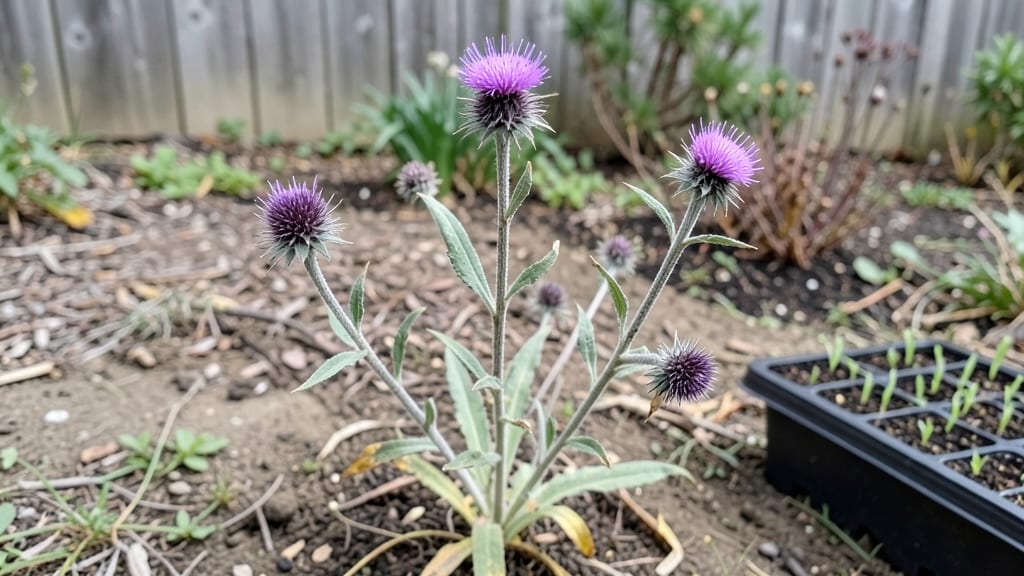
Growing Centaurea americana seeds means welcoming a pollinator magnet to your garden—those fuzzy purple blooms will have bees, butterflies, and hummingbirds buzzing by in no time. 🌿 I learned the hard way that patience is key with these seeds; they need just the right conditions to wake up from their dormancy.
The first time I tried, I gave up after two weeks, only to discover they’d finally cracked open in week four. That’s when I knew I’d cracked the code for a thriving wild bergamot patch.
You’ll need fresh seeds, well-draining soil, and a sunny spot—this isn’t a plant that tolerates shade or soggy roots. Start indoors in late winter if your climate is chilly (zones 3-7), or direct-sow in early spring once soil temps hit 55°F.
The secret? A cold stratification trick: mix seeds with damp sand and refrigerate for 4-6 weeks before planting. It mimics nature’s way of breaking dormancy, and trust me, it works.
Once sprouted, thin seedlings to 12-18 inches apart—they’ll grow tall and sturdy, but crowded plants flop like overgrown weeds. Water deeply but infrequently; these drought-tolerant survivors hate wet feet. Within 60-90 days, you’ll be rewarded with those iconic basket-shaped flowers, and the pollinators?
They’ll throw you a parade. The best part? These seeds self-sow like crazy, so your garden becomes a self-perpetuating pollinator buffet.
Fair warning: slugs and snails adore young seedlings, so keep an eye out. A quick beer trap or diatomaceous earth barrier saves the day. And if you’re in the South (zones 8-10), treat it as an annual—it’ll bolt in the heat.
But in cooler climates, it’s a perennial that comes back year after year, proving that a little patience pays off in spades.
📚 In This Guide
- What you need
- Instructions
- Tips and common mistakes
- Wrapping up and next steps
What you need
- ● Centaurea americana seeds: 1–2 packets (50–100 seeds per packet). Opt for organic or untreated seeds for best results.
- ● Seed-starting mix: 1–2 gallons of sterile, well-draining potting soil (avoid garden soil—it may harbor pathogens).
- ● Seed trays or small pots: 4–6" deep containers with drainage holes (biodegradable pots work great for transplanting!).
- ● Watering can or spray bottle: With a fine mist setting to avoid displacing seeds.
- ○ Clear plastic dome or plastic wrap: To create a mini greenhouse effect (optional but recommended for humidity).
- ● Grow lights or sunny windowsill: A south-facing window or LED grow lights (12–16 hours of light daily).
- ○ Gloves: Optional but helpful for handling prickly seed pods.
- ● Small hand trowel: For gently pressing seeds into soil.
- ● Spray bottle with water: For misting (keeps seeds moist without overwatering).
- ● Outdoor space or garden bed: Prepared with loose, well-draining soil (full sun to partial shade).
- ● Patience! 🐢 Centaurea americana seeds can take 2–4 weeks to germinate—stay consistent with care.
- ● Seed heating mat: Speeds up germination by keeping soil warm (70–75°F ideal).
- ● Fertilizer (balanced 10-10-10): Light dose after seedlings sprout (avoid over-fertilizing!).
- ● Pollinator-friendly companion plants: Like bee balm or lavender, to create a buzzing ecosystem!
- ● Label markers: To track seedling progress (trust us, they’ll look different at every stage!).
Step-by-Step instructions for germinating Centaurea americana seeds
Here’s how to coax these finicky seeds into thriving wild bergamot—your future pollinator magnet.
🌱 Step 1: Stratify Seeds for Maximum Germination
Centaurea americana seeds need a cold treatment to break dormancy. Place them in a sealed plastic bag with dampened potting mix (just enough moisture to feel like a wrung-out sponge). Store the bag in your refrigerator for 6-8 weeks—this mimics winter conditions in their native prairie habitat.
Check the seeds weekly to ensure the mix stays moist but not soggy. If you see mold or an unpleasant odor, discard the batch and restart with fresh seeds. After 6-8 weeks, the seeds will be ready to plant, though some may take up to 12 weeks if your fridge runs cooler.
💧 Step 2: Sow Seeds in Well-Draining Soil
Fill a seed tray or small pots with a light, sandy loam mix—avoid heavy garden soil, which can suffocate these delicate seeds. Sprinkle the stratified seeds ¼ inch deep, spacing them ½ inch apart to prevent overcrowding. A light dusting of fine sand over the seeds helps mimic their natural growing conditions.
Gently mist the surface with water until the soil is evenly moist but not waterlogged. Place the tray in a warm, bright location (around 70-75°F), but avoid direct sunlight until germination begins. You’ll see tiny sprouts in 2-4 weeks, though some may take up to 6 weeks depending on temperature consistency.
☀️ Step 3: Provide Gradual Sun Exposure
Once seedlings emerge, move them to a south-facing window or under grow lights for 12-14 hours of light daily. Wild bergamot thrives in full sun, but young plants need time to acclimate. Start with 2-3 hours of morning sun, then gradually increase exposure over 7-10 days to prevent shock.
Watch for leggy growth—a sign of insufficient light. If stems stretch thin and pale, adjust the light source within 4 inches of the seedlings. Strong seedlings will develop deep green leaves and sturdy stems within 4-6 weeks of germination.
🪴 Step 4: Transplant to Outdoor Conditions
After 8-12 weeks, when seedlings have 3-4 true leaves, harden them off by placing them outdoors in partial shade for 2-3 hours daily. Over 7-10 days, increase their outdoor time, eventually moving them to full sun for the remainder of the day.
Choose a sunny, well-draining site with 6+ hours of direct sunlight. Space transplants 12-18 inches apart to allow for mature growth. Water deeply at transplanting to settle the roots, then reduce watering to once weekly once established—wild bergamot is drought-tolerant once rooted.
Tips & tricks for germinating wild bergamot seeds
These pro tips will help you navigate the quirks of Centaurea americana seeds and maximize your chances of successful germination.
Stratification Precision: The 6-8 week cold treatment in Step 1 is non-negotiable for breaking dormancy, but fridge temperatures vary dramatically. Most home refrigerators run around 38-40°F, which is perfect—but if your fridge is significantly warmer (like 45°F+), extend the stratification to 10-12 weeks. I learned this the hard way when my first batch failed after just 6 weeks in a warmer fridge. Pro tip: Place a thermometer inside your fridge to monitor the temperature during stratification.
Soil Texture Matters: In Step 2, that "light, sandy loam mix" isn't just decorative—it's critical. These seeds despise compacted soil. If you don't have sandy loam on hand, create your own by mixing equal parts potting soil with perlite or coarse sand. The goal is a texture that resembles dry beach sand. I've found that adding a handful of horticultural charcoal to the mix helps prevent mold while maintaining the proper air-to-moisture ratio.
Light Management Strategy: When you're gradually increasing sun exposure in Step 3, think of it like sunbathing—start slow! Begin with just 2-3 hours of morning sun, then add 30 minutes each day. The key is to avoid shocking the seedlings with too much direct sunlight too soon. I recommend using a small piece of window screen or cheesecloth as a shade cloth if your south-facing window gets intense afternoon sun. This gradual approach prevents the seedlings from developing that classic "leggy" growth pattern that signals light deprivation.
Transplant Timing Insight: The 8-12 week window for transplanting in Step 4 might seem broad, but there's a method to it. Seedlings with 3-4 true leaves are strong enough to handle outdoor conditions but not so large that they'll struggle with root disturbance. I've found that transplanting on an overcast day gives seedlings their best chance to acclimate without the stress of direct sunlight. If you must transplant on a sunny day, do it in the late afternoon when sunlight is less intense.
Pro Tips for Centaurea Americana Seeds
- These pro tips will help you navigate the quirks of Centaurea americana seeds and maximize your chances of successful germination.
- Stratification Precision: The 6-8 week cold treatment in Step 1 is non-negotiable for breaking dormancy, but fridge temperatures vary dramatically.
- Soil Texture Matters: In Step 2, that "light, sandy loam mix" isn't just decorative—it's critical.
Frequently asked questions
Got questions about growing Centaurea americana (American Knapweed) from seeds? You’re not alone! Here are answers to the most common queries—from timing to troubleshooting—to help you create a thriving pollinator haven.
When is the best time to plant Centaurea americana seeds?
For optimal germination, sow seeds in early spring (after the last frost) or late summer (August-September). This timing avoids extreme heat and ensures cool soil moisture, which young seedlings prefer. If starting indoors, begin 6-8 weeks before your last frost date for transplanting.
How long does it take for Centaurea americana seeds to germinate?
Germination can take 14-30 days, depending on soil temperature and moisture. Keep seeds consistently moist (not soggy) and in 60-70°F soil. If germination is slow, try a cold stratification method (place seeds in the fridge for 2-4 weeks before planting) to mimic natural conditions.
Do Centaurea americana seeds need light to germinate?
Yes! These seeds require light for germination. Avoid burying them deeply—press them just below the soil surface (¼ inch max) or scatter them on top of a thin layer of compost. A clear germination dome or plastic wrap can help retain moisture and warmth until sprouts appear.
Are there alternatives to Centaurea americana for pollinators?
If you’re struggling with germination, consider these pollinator-friendly alternatives with easier seed propagation:
- Monarda fistulosa (Wild Bergamot)—similar blooms, faster germination.
- Echinacea purpurea (Purple Coneflower)—hardy and low-maintenance.
- Asclepias tuberosa (Butterfly Weed)—great for monarchs and drought-tolerant.
Why aren’t my Centaurea americana seeds sprouting?
Try these fixes if germination stalls:
- Check soil moisture—dry soil = no germination. Use a spray bottle for gentle watering.
- Verify soil temperature—use a seedling heat mat (70-75°F) if your soil is too cool.
- Test seed viability—soak a few seeds in water overnight. If they float, they’re likely non-viable.
- Consider fresh seeds—older seeds (over 1 year) may have lower viability.
Wrapping up and next steps
Growing Centaurea americana (American Bergamot) from seeds is a rewarding way to create a thriving pollinator haven in your garden! 🌸 With the right conditions—well-draining soil, patience, and a little TLC—you’ll soon enjoy fragrant blooms that attract bees, butterflies, and hummingbirds.
Whether you’re a seasoned gardener or just starting out, this native wildflower brings beauty and ecological benefits to your landscape.
Ready to take the next step? Grab those seeds, prep your space, and watch your pollinator paradise bloom! 🌿 For extra inspiration, explore companion plants or check out local native plant nurseries to expand your garden’s biodiversity.