
Flowers
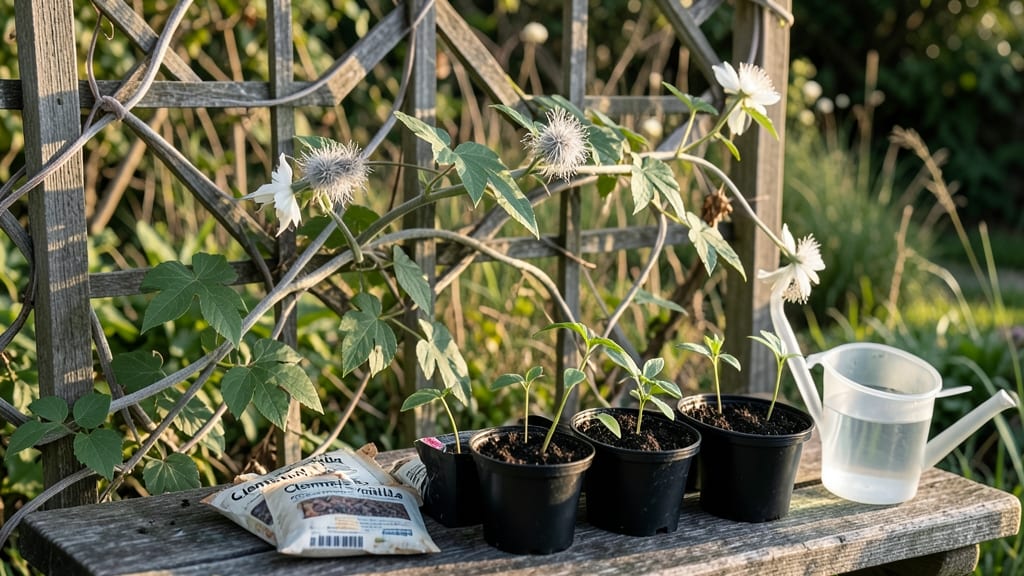
Planting climbing flower seeds turns blank walls into a living tapestry of color—three months from seed to show-stopping blooms that transform any space. I’ve grown morning glories that climb 10-foot trellises in just one season, their trumpet-shaped flowers opening like clockwork each morning.
The key isn’t luck; it’s matching the right seeds to your sunlight, soil, and support structure.
You’ll need a sunny spot with 6+ hours of light, well-draining soil (mix in compost for extra nutrients), and a sturdy trellis, fence, or obelisk—even a simple wire mesh works for morning glories.
Sweet peas and clematis prefer cooler weather, so start them indoors 4-6 weeks before your last frost if your zone runs hot. The biggest mistake? Skipping the support until the vines are already climbing—set up your structure before planting.
By late summer, you’ll have velvety foliage and cascading blooms that attract hummingbirds and butterflies. The scent of sweet peas alone makes it worth the wait, and the vertical space saves room in your garden.
Just keep soil moist (not soggy) and deadhead spent blooms to encourage more flowers. This isn’t just gardening—it’s creating a living work of art.
Works for balconies, patios, or backyard borders—adjust trellis height based on your space. Even renters can grow climbing flowers in large containers. Let’s get those seeds started and watch your walls come alive!
📚 In This Guide
- What you need
- Instructions
- Tips and common mistakes
- Wrapping up and next steps
What you need
- ● Climbing flower seeds: Choose 3–5 varieties (e.g., morning glories, sweet peas, or clematis). Buy organic, non-GMO seeds for best results. Aim for 50–100 seeds depending on your garden size.
- ● Growing containers: Vertical planters: 2–4 fabric grow bags (10–12 inches deep) or wall-mounted pockets (6–8 pockets per panel).
- ● Pots or hanging baskets: 5–10 6–8 inch diameter pots with drainage holes (if planting individually).
- ● Potting mix: 1–2 bags of lightweight, well-draining mix (e.g., 60% peat moss, 30% perlite, 10% compost). Avoid heavy garden soil!
- ● Support structure: Trellis or lattice: 1–2 metal, wood, or plastic trellises (4–6 ft tall).
- ● String or twine: Jute or biodegradable twine (50–100 ft) for weaving.
- ● Fertilizer: 1 bottle of balanced liquid fertilizer (10-10-10 or 20-20-20) or 1 bag of slow-release granules (organic options like fish emulsion work too!).
- ● Watering can: 1 lightweight can with a rose attachment (1–2 gallon capacity).
- ● Pruning shears: 1 pair of sharp, sterilized shears for trimming.
- ● Mulch: Cocoa coir or straw to retain moisture.
- ● Soil moisture meter: To monitor watering needs.
- ● Garden gloves: For comfort while handling soil.
- ● Decorative accents: Solar-powered lights or colorful stakes to enhance your vertical display!
Step-by-Step instructions for planting climbing flower seeds
Transform your space with lush vertical beauty using these simple, time-tested steps.
Prepare Your Containers and Soil Mix
Fill your 4 containers with the 3 gallons of potting mix, leaving about 1 inch of space at the top. I like to tap the sides gently to settle the soil without compacting it—this ensures roots have room to spread as your flowers climb. For containers without drainage holes, add a layer of 1 inch of perlite at the bottom first. This prevents waterlogging, which can drown delicate seedlings.
Moisten the soil lightly with 1 pint of water—it should feel damp like a wrung-out sponge, not soggy. Overwatering now can cause seeds to rot before they even sprout. If your mix feels dry after adding water, sprinkle another ¼ pint and mix gently with your fingers. The goal is even moisture without pooling.
Plant the Seeds at the Right Depth
Sprinkle 4 climbing flower seeds evenly across the soil surface, spacing them about 2 inches apart. Press each seed lightly into the soil with your fingertip—just enough to cover it with ¼ inch of mix. Seeds need light to germinate, so don’t bury them too deep. I use a toothpick to make small holes if the soil feels too compacted.
After planting, mist the surface with 2 tablespoons of water using a spray bottle. This keeps seeds in place without disturbing them. Place the containers in a warm spot, like on top of the fridge or near a sunny window, where temperatures stay between 65-75°F. Germination usually takes 7-14 days, but some varieties may take longer—don’t give up if you don’t see sprouts immediately.
Provide Consistent Light and Water
Once seedlings emerge, move them to a location with 6-8 hours of sunlight daily. A south-facing window or a grow light works best. If you notice seedlings stretching toward the light with long, thin stems, they’re not getting enough brightness. Adjust the light source or rotate the containers quarter-turn daily to encourage even growth.
Water the seedlings when the top inch of soil feels dry, using 3 tablespoons of water per container. Avoid wetting the leaves to prevent fungal diseases. I like to water in the morning so the soil has time to dry slightly before evening. Overwatering at this stage can lead to weak stems, which struggle to support climbing flowers later.
Train and Support as They Grow
When seedlings reach 3-4 inches tall, install the trellis or climbing structure you’ve chosen. Gently tie the main stem to the support using soft plant ties or twine, leaving a little slack for growth. Climbing flowers like morning glories or clematis will naturally wrap around the structure, but giving them a gentle nudge early on ensures they grow upward instead of sprawling.
Fertilize lightly every 2 weeks with 1 teaspoon of balanced fertilizer dissolved in 1 pint of water. This encourages strong, healthy growth without overwhelming the young plants. Watch for new leaves—each set of true leaves signals it’s time to check for pests like aphids. If you spot any, wipe them off with a damp cloth or spray with neem oil as needed.
Maintain Through Bloom Season
As your climbing flowers mature, prune any dead or yellowing leaves to redirect energy to blooming. Pinch back the tips of new growth to encourage bushier, more robust vines. This is especially important for flowers like sweet peas or honeysuckle, which benefit from regular pruning to produce more blossoms.
Continue watering deeply 2-3 times per week, adjusting for heat or drought. You’ll know your care is working when you see the first buds forming—usually around 8-12 weeks after planting. At this point, reduce fertilization to once every 4 weeks to avoid excessive foliage at the expense of flowers.
Tips & tricks for perfect climbing flower seed growth
These simple strategies will help you avoid common pitfalls and maximize the success of your vertical garden.
Soil Preparation Matters: When filling your 4 containers with 3 gallons of potting mix, consider adding a handful of compost to the mix for extra nutrients. The perlite layer at the bottom isn't just for drainage—it also helps aerate the roots. If your containers have drainage holes, you can skip the perlite but still want to ensure the soil stays loose enough for roots to spread without compacting. The gentle tapping technique mentioned in Step 1 is crucial—it prevents soil from becoming too dense, which can suffocate young roots.
Germination Conditions: The 65-75°F temperature range specified for germination is ideal, but consistency is key. If your home tends to be cooler, place containers on a seedling heat mat set to 75°F. For warmer climates, move containers to a slightly cooler spot like a basement during the day. The 7-14 day germination window can feel long, but patience pays off—some varieties like morning glories may take up to 21 days. If you're impatient, place a plastic wrap loosely over the containers to retain moisture while still allowing light penetration.
Light Management: The 6-8 hours of sunlight requirement is non-negotiable for strong seedlings. If natural light is insufficient, supplement with a grow light placed 6 inches above the seedlings for 12-14 hours daily. The quarter-turn rotation mentioned in Step 3 prevents leggy growth by ensuring even exposure. Watch for seedlings leaning toward light sources—this is their way of telling you they need more or better light. A simple trick is to rotate containers clockwise each morning to encourage balanced growth toward all sides.
Watering Wisdom: The top inch soil dry test is perfect, but timing matters too. Watering in the morning gives plants time to absorb moisture before evening. For the 3 tablespoons per container, use room temperature water to avoid shocking the roots. If you notice water pooling in the saucer, empty it immediately—soggy roots are the enemy of healthy climbing flowers. During the 8-12 week growth period, you might need to increase watering to 2-3 times weekly, especially in hot weather, but always check that top inch first.
Pro Tips for Climbing Flower Seeds
- These simple strategies will help you avoid common pitfalls and maximize the success of your vertical garden.
- Soil Preparation Matters: When filling your 4 containers with 3 gallons of potting mix, consider adding a handful of compost to the mix for extra nutrients.
- Germination Conditions: The 65-75°F temperature range specified for germination is ideal, but consistency is key.
Frequently asked questions
Got questions about growing climbing flower seeds?
You’re not alone! Here are some of the most common queries—and their straightforward answers—to help you create a stunning vertical garden with confidence.
When is the best time to plant climbing flower seeds?
Most climbing flowers, like morning glories or sweet peas, thrive when sown 4-6 weeks before the last frost in spring. For warm-season varieties (e.g., nasturtiums), wait until soil temps hit 60°F+. If you’re in a short-season zone, start seeds indoors first! Pro tip: Check your local frost dates for precision.
How long does it take for climbing flower seeds to sprout?
Germination time varies by type:
- Fast growers: Nasturtiums (5–10 days)
- Moderate: Morning glories (7–14 days)
- Slower: Clematis (3–4 weeks)
Can I grow climbing flowers from seeds if I don’t have a trellis?
Use alternative supports like:
- Fence wires or chicken wire
- DIY wooden lattice (cheap lumber + screws)
- Even a sturdy bamboo stake for vining types
Why aren’t my climbing flower seeds sprouting?
Troubleshoot with this checklist:
- Depth: Most seeds need 1/4-inch coverage (check packet guidelines).
- Moisture: Dry soil = no sprouts. Use a spray bottle to keep it damp.
- Temperature: Too cold? Move pots to a warmer spot (e.g., near a sunny window).
- Freshness: Old seeds (2+ years) may fail. Test viability by soaking in water—sinkers = good!
What’s the easiest climbing flower to grow from seeds for beginners?
Start with these low-maintenance champions:
- Nasturtiums: Fast-growing, edible, and pest-repellent.
- Morning glories: Dramatic blooms in 3 months; great for fences.
- Sweet peas: Fragrant and cold-hardy (perfect for early spring).
Wrapping up and next steps
Transforming your space with climbing flower seeds is easier—and more rewarding—than you think! 🌱 With the right variety, sunlight, and a little patience, you’ll soon enjoy a lush vertical garden that adds color and charm to any wall or trellis.
Start small, experiment with different climbers, and watch your green thumb grow—literally.
Ready to take the next step? Pick your favorite seeds today, sketch a simple trellis plan, and dive in! Whether you’re a beginner or a seasoned gardener, your future blooms are just a few weeks (and a few seeds) away. Happy planting! ✨