
Watering
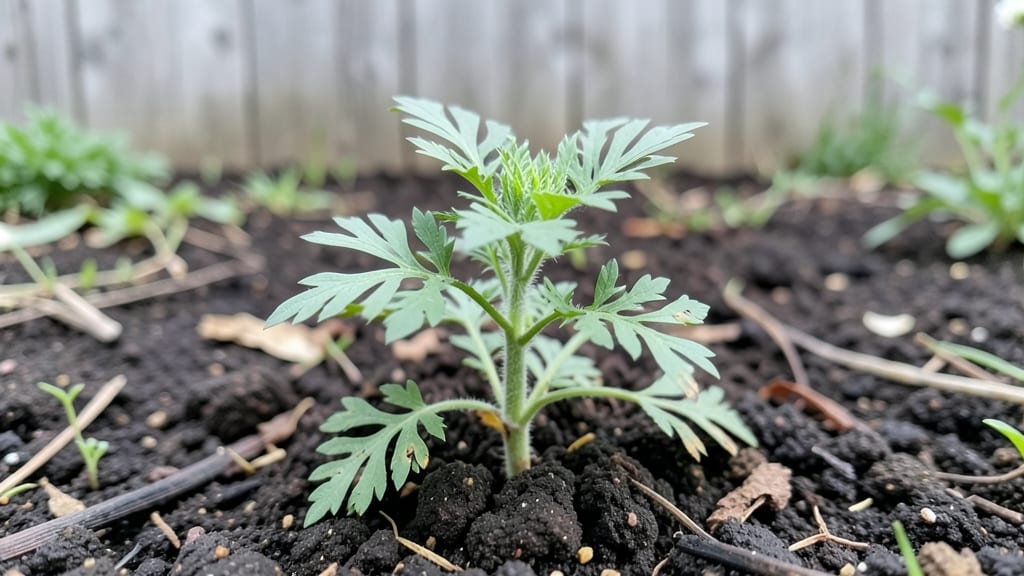
Growing cosmos bipinnatus seedlings with just the right moisture is the secret to fast, lush blooms by midsummer. 🌱 I’ve watched these delicate seedlings transform from tiny green specks into towering, vibrant displays—all because I learned to keep their soil damp but never soggy.
The difference between thriving plants and leggy, weak ones often comes down to watering consistency in those first few weeks.
You’ll need a seed-starting tray, well-draining potting mix, and a spray bottle or gentle watering can. Cosmos seedlings love warmth and sunlight, so place them near a sunny window or under grow lights.
The key is to water lightly but frequently—enough to keep the top inch of soil moist, but never waterlogged. Overwatering is the fastest way to invite mold or rot, while underwatering stunts their growth before they even get started.
By the time you transplant them outdoors after the last frost, your cosmos seedlings will be sturdy and ready to take off. They’ll reward you with bold, papery blooms in shades of pink, white, and magenta within 8-10 weeks, turning your garden into a pollinator paradise.
The best part? They’re drought-tolerant once established, so once they’re planted, they’ll handle dry spells like a pro.
Works beautifully in borders, cottage gardens, or even as cut flowers for bouquets. Here’s how to keep them thriving from seed to showstopper blooms—without the guesswork.
📚 In This Guide
- What you need
- Instructions
- Tips and common mistakes
- Wrapping up and next steps
What you need
- ● Seeds: 5–10 high-quality Cosmos bipinnatus seeds (organic or heirloom preferred).
- ● Seedling Trays or Pots: 2–4 biodegradable peat pots (2–3 inches deep) or a 1020-cell seedling tray with drainage holes.
- ● Soil Mix: 1 part seed-starting mix (lightweight, sterile) + 1 part perlite or vermiculite (for aeration). Total needed: ~2–3 cups.
- ● Watering Tools: A spray bottle (16 oz, fine-mist nozzle) for gentle hydration.
- ● A small watering can (1–2 quart capacity) with a narrow spout.
- ● Humidity Dome or Plastic Wrap: A clear plastic lid (for trays) or a DIY cover (plastic wrap + toothpicks).
- ○ Optional but Helpful: A moisture meter (for precision—aim for 40–60% soil moisture).
- ● Grow lights (LED, 12–16 hours/day) if natural light is <7 hours/day.
- ● Fertilizer: A balanced liquid fertilizer (5-5-5 or 10-10-10, diluted to half-strength) for post-sprout feeding.
- ○ Safety Gear: Gloves (optional, for handling soil) and a tray liner (to catch runoff).
Step-by-step instructions for moisture-controlled cosmos bipinnatus sprouting
Here’s how to coax those delicate cosmos seedlings into strong, fast-growing plants with precise moisture control.
🌱 Step 1: Prepare the Sowing Medium for Optimal Moisture Retention
Start with a lightweight seed-starting mix—this ensures excellent drainage while holding enough moisture for germination. Cosmos seeds need consistently damp (not soggy) soil to sprout reliably. Fill your 4-inch pots (or seed trays) with the mix, leaving about ½ inch of space at the top. Press down gently to remove air pockets, then water thoroughly until moisture reaches the bottom of the pot. You’ll know it’s right when water runs out the drainage holes but doesn’t pool.
Here’s the thing—cosmos seeds are tiny, so I like to scatter them directly onto the soil surface without covering. Unlike heavier seeds, they don’t need light blocking to germinate. A light mist with a spray bottle ensures even moisture without displacing them. Place the pots in a humidity dome or cover loosely with plastic wrap to lock in moisture while allowing airflow. This keeps the environment consistently moist—the key to fast germination.
💧 Step 2: Maintain Even Moisture Without Overwatering
Cosmos seedlings thrive when soil stays evenly moist but never waterlogged. Check moisture daily by pressing a finger ½ inch deep into the soil—if it feels dry, give a light watering from the bottom (place pots in a shallow tray of water for 10-15 minutes). This method prevents surface drying while encouraging deep root growth.
Watch for condensation on the humidity dome—this is your signal that moisture levels are perfect. Once the first true leaves appear (not the initial seed leaves), remove the dome immediately. Stagnant humidity after germination invites damping-off, a fungal disease that collapses seedlings overnight. You’ll see healthy seedlings with bold green leaves and sturdy stems within 7-10 days under these conditions.
☀️ Step 3: Introduce Bright, Indirect Light Gradually
Cosmos seedlings need bright, indirect light to prevent leggy growth, but direct sun too soon will scorch their delicate leaves. Start with 4-6 hours of filtered light daily, then gradually increase exposure over 5-7 days until they receive full sun. A south-facing window works, but if your seedlings stretch toward the light (a sign of insufficient intensity), supplement with a grow light kept 6 inches above the plants.
You’ll notice strong seedlings develop compact growth with leaves spaced closely together. If stems grow thin and pale, they’re reaching for more light—adjust immediately. Once seedlings have 3-4 true leaves, they’re ready for their first pinch back (snipping the top set of leaves) to encourage bushier growth. This step is non-negotiable for cosmos—it prevents tall, floppy plants later.
✂️ Step 4: Harden Off and Transplant for Fast Establishment
Two weeks before your last frost date, begin hardening off seedlings by placing them outdoors in partial shade for 1 hour daily, gradually increasing time over 7-10 days. Cosmos are drought-tolerant once established, but seedlings need gentle acclimation to avoid shock. Water deeply before moving them outside to ensure roots are hydrated.
Transplant when seedlings are 4-6 inches tall and have 5-7 true leaves, spacing them 12-18 inches apart in well-draining soil. Cosmos thrive in full sun and average garden soil, but they’ll reward you with fast, abundant blooms if planted in slightly sandy or loamy soil. Mulch with 1-2 inches of organic mulch to retain moisture and suppress weeds—this keeps roots cool and soil consistently moist during their critical establishment phase.
Tips & tricks for perfect cosmos bipinnatus seedling growth
These moisture-focused strategies will help you achieve strong, fast-growing cosmos seedlings that bloom with remarkable speed.
Soil Preparation Secret: In Step 1, don't skip the pressing-down step when filling your 4-inch pots. This eliminates air pockets that prevent even moisture distribution—critical for those tiny cosmos seeds. I also recommend using a seed-starting mix with 30-40% perlite or vermiculite to maintain that perfect balance between drainage and moisture retention. This lightweight mix prevents compaction that can suffocate delicate roots.
Humidity Dome Hack: The condensation on your humidity dome isn't just a moisture indicator—it's a growth accelerant. When you see consistent condensation, that means your seedlings are thriving in the ideal 80-90% humidity range. Remove the dome immediately after true leaves appear, but keep an eye out for wilting as a sign you need to reintroduce brief humidity periods during dry spells. This simple visual cue prevents the dreaded damping-off disease that can wipe out seedlings overnight.
Light Transition Strategy: During Step 3, when increasing light exposure, I've found that rotating pots quarter-turn daily prevents uneven growth toward the light source. Cosmos seedlings grow surprisingly fast once they have enough light—you'll notice that 4-6 hour window fills up quickly! If your seedlings start stretching (a sign of insufficient light), supplement with a grow light positioned 6 inches above and leave it on for 12-14 hours daily to mimic natural daylight extensions.
Pinch Back Timing: The 3-4 true leaves stage for pinching isn't just about bushier growth—it's about creating stronger stems that can support those future blooms. I recommend using clean, sharp scissors to make a clean cut just above a leaf node. This precise technique encourages multiple branching points where flowers will develop. Don't worry about the plant looking "messy" after pinching—it's actually setting up for faster, more abundant blooming later in the season.
Pro Tips for Cosmos Bipinnatus Seedling
- These moisture-focused strategies will help you achieve strong, fast-growing cosmos seedlings that bloom with remarkable speed.
- Soil Preparation Secret: In Step 1, don't skip the pressing-down step when filling your 4-inch pots.
- Humidity Dome Hack: The condensation on your humidity dome isn't just a moisture indicator—it's a growth accelerant.
Frequently asked questions
Got questions about growing Cosmos bipinnatus seedlings?
You’re not alone! Here are answers to the most common ones—from timing to troubleshooting—so you can nurture those delicate sprouts into vibrant blooms with confidence.
How long does it take for Cosmos bipinnatus seeds to germinate?
Germination usually takes 7–14 days in warm (65–75°F), moist soil. For faster results, soak seeds in water for 24 hours before planting and keep the soil consistently damp (not soggy). Patience is key—some seeds may take up to 3 weeks, especially in cooler conditions.
Why aren’t my Cosmos bipinnatus seedlings sprouting?
Try these fixes if seeds aren’t germinating:
- Check soil temperature: Too cold (<60°F) slows germination. Use a heat mat if needed.
- Ensure moisture: Dry soil can prevent sprouting. Mist lightly daily or cover with a damp paper towel.
- Test seed viability: Old seeds (over 2 years) may fail. Try fresh seeds or scratch the seed coat gently to encourage germination.
How often should I water Cosmos bipinnatus seedlings?
Keep soil consistently moist but not waterlogged—think "damp sponge," not "mud puddle." Water every 2–3 days (or daily in hot/dry climates) and avoid wetting the leaves to prevent fungal issues. Once seedlings develop true leaves, reduce frequency slightly to encourage root growth.
Can I grow Cosmos bipinnatus indoors before transplanting?
Yes! Start seeds indoors 4–6 weeks before the last frost in biodegradable pots or seed trays. Use a sunny windowsill or grow lights (12–16 hours/day). Harden off seedlings for 7–10 days before transplanting outdoors after soil warms to 50°F+. Just beware—Cosmos loves space! Thin seedlings to 12–18 inches apart.
What’s the best way to prevent leggy Cosmos bipinnatus seedlings?
Leggy seedlings stretch toward light. Boost growth with:
- Bright light: Place near a south-facing window or under grow lights (10–12 inches away).
- Thinning: If seedlings are crowded, thin to 1 inch apart to reduce competition.
- Fertilizer: Use a balanced, diluted liquid fertilizer (like 5-5-5) once true leaves appear.
Wrapping up and next steps
Growing a Cosmos bipinnatus seedling is a rewarding journey—especially when you master the art of moisture control! With the right balance of hydration, well-draining soil, and patience, you’ll soon be greeted by vibrant blooms that brighten any garden. 🌸
Ready to take the next step? Experiment with different watering schedules to see what works best in your climate, and don’t hesitate to share your progress with fellow plant enthusiasts. Happy gardening—your cosmos garden awaits!