
Pests
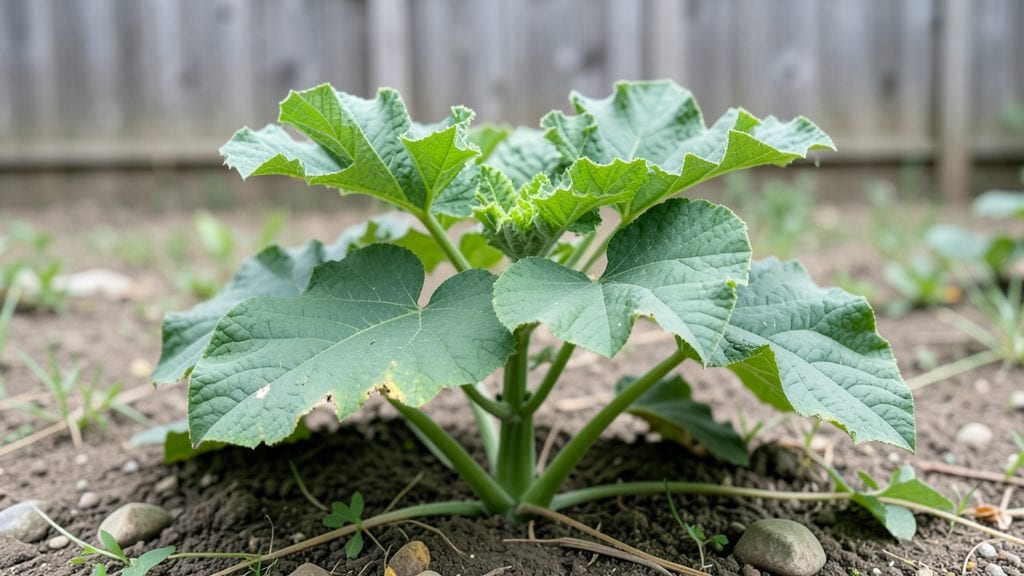
The moment you spot yellowing or spotted cucumber seedling leaves, your heart sinks—but this is fixable. ✨ I’ve saved dozens of seedlings from crunchy stems and wilted leaves using simple checks that take under 10 minutes.
The key is identifying whether your plants are thirsty, sick, or under siege before it’s too late.
Most problems start with overwatering or fungus—those mushy stems and yellow patches? Classic signs. Aphids or spider mites leave behind tiny webs and chewed edges, while powdery mildew coats leaves like dust.
The good news? Each issue has a targeted fix, from adjusting watering to a quick spray of soapy water or neem oil.
You’ll have your seedlings thriving again in 24-48 hours with the right approach. Watch those leaves perk up, stems firm up, and vines start climbing like nothing ever happened. The secret is acting fast—before the problem spreads to your entire crop.
Works for both container and in-ground seedlings, and the fixes apply to squash and melons too. Let’s get those leaves healthy again before it’s too late!
Root Causes of Leaf Trouble
Understanding why your cucumber seedling leaves are struggling starts with identifying the hidden triggers lurking beneath the soil—or even in the air. These issues often stem from environmental mismatches, biological attacks, or simple human error.
Let’s break down the top culprits and why they turn your seedlings into a sad, wilted mess.
Cucumber seedlings hate soggy feet. When soil stays too wet, roots suffocate from a lack of oxygen, leading to:
- Yellowing leaves (a classic sign of root rot).
- Stunted growth due to poor nutrient uptake.
- Fungal infections like Pythium or Phytophthora, which thrive in waterlogged conditions.
Why it happens:
- Compacted or clay-heavy soil repels water, creating pockets of excess moisture.
- Overzealous watering (especially with a sprinkler) drenches leaves, inviting fungal spores.
- Lack of drainage holes in containers traps water at the roots.
Actionable fix: Let the top inch of soil dry out between waterings, and amend heavy soil with perlite or sand.
On the flip side, wilting or crispy leaves signal thirsty seedlings. Cucumbers need consistent moisture to thrive, and skipping watering can:
- Cause leaf edges to brown (like paper burning).
- Stunt photosynthesis, leading to weak, pale foliage.
- Invite spider mites (which love dry, stressed plants).
Why it happens:
- Inconsistent watering (e.g., forgetting for days, then drowning them).
- Shallow root systems in young seedlings can’t reach deep water reserves.
- High temperatures increase evaporation, drying soil faster.
Actionable fix: Water deeply at the base (not the leaves) in the morning to reduce evaporation.
Tiny invaders like aphids, spider mites, or cucumber beetles suck sap from leaves, causing:
- Yellowing, curled, or spotted leaves.
- Sticky residue (honeydew) from aphids, which attracts mold.
- Holes or chewed edges from beetles.
Why it happens:
- Weak seedlings (from poor soil or stress) are easier targets.
- Overcrowded plants create hiding spots for pests.
- Nearby weeds or wild plants act as pest reservoirs.
Actionable fix: Isolate affected plants, spray with neem oil, or introduce beneficial insects like ladybugs.
Cucumber seedlings need nitrogen (N), phosphorus (P), and potassium (K) to grow strong. Deficiencies show up as:
- Pale yellow leaves (nitrogen deficiency).
- Purple stems/leaves (phosphorus shortage).
- Brown leaf tips (potassium or calcium deficiency).
Why it happens:
- Poor-quality soil lacks essential microbes or organic matter.
- Over-farming depletes nutrients without replenishment.
- Improper pH (too acidic or alkaline) locks out nutrients.
Actionable fix: Test soil pH (ideal: 6.0–6.8) and amend with compost or a balanced fertilizer (like 10-10-10).
Diseases like powdery mildew, downy mildew, or bacterial leaf spot thrive in humid conditions and cause:
- White powdery coatings (powdery mildew).
- Yellow spots with gray fuzz (downy mildew).
- Water-soaked brown patches (bacterial infections).
Why it happens:
- High humidity (especially at night) without airflow.
- Splashing water from overhead irrigation spreads spores.
- Old or diseased plant debris left in the garden.
Actionable fix: Space plants for airflow, water at the base, and remove infected leaves immediately.
Extreme heat, cold, or wind can shock seedlings, leading to:
- Sunburnt leaves (white/yellow patches from too much sun).
- Frost damage (blackened, mushy leaves).
- Windburn (scorched edges on exposed leaves).
Why it happens:
- Sudden temperature swings (e.g., cold nights after hot days).
- Lack of shade cloth in peak summer.
- Poor hardening-off before transplanting.
Actionable fix: Use shade cloth, mulch to regulate soil temp, and acclimate seedlings gradually to outdoor conditions.
💡 Pro Tip: Keep a plant journal to track watering, pests, and weather—it’s the fastest way to spot patterns and prevent future problems!
Fixing Flawed Cucumber Seedling Leaves
Reviving your struggling cucumber seedlings starts with identifying the root cause—and then acting fast. Below are practical, step-by-step fixes for the most common issues affecting young cucumber leaves, plus prevention tips to keep your plants thriving. No green thumb required!
If tiny holes, chewed edges, or sticky residue (aphid honeydew) are ruining your seedlings, pests are likely the culprit.
🔥 Step 1: Identify the Invader
Use a magnifying glass to spot these common pests:
- Aphids (tiny green/black bugs clustered on undersides)
- Spider mites (fine webbing + speckled leaves)
- Cucumber beetles (striped, 1/4-inch bugs munching leaves)
Pro Tip: 💡 Check leaves early morning when pests are sluggish and easiest to spot.
🍳 Step 2: Manual Removal (Best for Small Infestations)
- Aphids/Spider Mites: Spray seedlings with a strong stream of water to knock them off. Repeat daily for 3–5 days.
- Cucumber Beetles: Handpick adults and drop them into soapy water. Wear gloves—these beetles spread bacterial wilt!
👨🍳 Step 3: Natural Repellents & Traps
| Pest | Fix | Prevention |
|---|---|---|
| Aphids | Spray neem oil (1 tsp + 1 quart water + drop of dish soap) weekly. | Plant marigolds nearby to deter them. |
| Spider Mites | Increase humidity with a misting bottle (they hate moisture). | Use reflective mulch to confuse them. |
| Beetles | Set up yellow sticky traps near plants. | Cover seedlings with floating row covers until transplanting. |
Warning: ⚠️ Avoid chemical pesticides on seedlings—they’re too young to handle harsh treatments!
Overwatering, underwatering, or poor soil drainage can turn cucumber leaves into sad, limp rags.
🔥 Step 1: Check the Soil
- Too Wet? Stick your finger 1 inch into the soil—if it’s soggy, stop watering immediately.
Move pots to a dry, shaded spot to dry out. - Too Dry? If soil is bone-dry, soak the pot until water runs out the drainage holes. Use a moisture meter for accuracy.
🍳 Step 2: Adjust Your Watering Routine
- Seedlings: Water lightly every 2–3 days (they need moisture but hate soggy roots).
- Transplanted Seedlings: Water deeply 2–3 times per week, focusing on the soil base, not the leaves (to prevent fungal diseases).
👨🍳 Step 3: Improve Drainage & Soil Health
- Add perlite or vermiculite (10% of potting mix) to improve drainage.
- Repot if using a container without drainage holes—switch to a terracotta pot (better airflow).
- Avoid compacted soil: Fluff the top inch with a fork if it feels hard as a brick.
Pro Tip: 🌡️ Morning watering is best—it gives leaves time to dry before evening humidity spikes (reducing fungal risks).
Nutrient deficiencies or stress (like heat or wind) can cause leaves to curl or brown at the edges.
🔥 Step 1: Diagnose the Deficiency
| Symptom | Likely Cause | Quick Fix |
|---|---|---|
| Yellow lower leaves | Nitrogen deficiency | Feed with balanced fertilizer (10-10-10). |
| Purple stems/leaves | Phosphorus deficiency | Use bone meal or compost tea. |
| Weak, pale leaves | Lack of magnesium | Spray with Epsom salt solution (1 tbsp/gal water). |
🍳 Step 2: Shield from Stressors
- Wind/Heat: Move seedlings to a sheltered spot or use a cloche (plastic bottle with the bottom cut off).
- Cold Drafts: Keep them above 50°F (10°C)—use a heat mat if needed.
- Overcrowding: Thin seedlings so they’re 6–12 inches apart (better airflow = fewer diseases).
👨🍳 Step 3: Boost Growth with Organic Boosters
- Fish emulsion (diluted per package) for nitrogen.
- Banana peel tea (steep peels in water for 2 days) for potassium.
- Crushed eggshells (sprinkled on soil) for calcium.
Pro Tip: ✨ Mulch with straw to retain moisture and regulate soil temperature—your seedlings will thank you!
- 🌿 Start Strong: Use sterilized soil and healthy seeds (or disease-free seedlings).
- 💧 Water Wisely: Stick to a consistent schedule—better to underwater slightly than drown them.
- 🐞 Pest-Proof: Introduce ladybugs or lacewings (natural predators) early.
- 🌡️ Monitor Weather: Move seedlings indoors if a heatwave or frost is forecasted.
- 🔄 Rotate Crops: If replanting cucumbers, wait 3 years to avoid soil-borne diseases.
Final Note: Most cucumber leaf issues are fixable with quick action—don’t wait until the problem spreads! Start with the root cause, apply the solution, and your seedlings will bounce back in no time. 🚀
Frequently asked questions
Why are my cucumber seedling leaves turning yellow?
Yellowing leaves usually signal overwatering or nutrient deficiency. Check if the soil feels soggy—if so, let it dry out. For nutrient issues, add compost or a balanced fertilizer (like 10-10-10). Yellowing can also mean root rot from poor drainage, so repot if needed.
What do tiny holes or chewed edges on leaves mean?
Those are classic signs of pests like cucumber beetles or spider mites. Handpick beetles (drop them in soapy water) and spray neem oil for mites. Cover seedlings with row fabric until transplanting to prevent further damage. Act fast—these pests spread quickly!
Can I save seedlings with powdery white spots?
Yes! That’s powdery mildew, but it’s treatable. Remove infected leaves immediately, then spray with a mix of 1 tablespoon baking soda + 1 quart water + a drop of dish soap. Improve airflow by spacing plants 6-12 inches apart and water at the base. Repeat every 5-7 days until clear.
How often should I water cucumber seedlings?
Water lightly every 2-3 days for seedlings—keep the top inch of soil moist but never soggy. Once transplanted, water deeply 2-3 times per week at the soil base (not leaves). Morning watering prevents fungal growth from evening humidity. Use a moisture meter for accuracy.
Are curled or brown leaf edges normal?
No—curled edges usually mean underwatering or stress, while brown tips suggest low humidity or nutrient burn. Increase moisture with mulch, move to shade if overheated, and fertilize with Epsom salt (1 tbsp/gal water) for magnesium. Avoid overcrowding to improve airflow.