Propagation
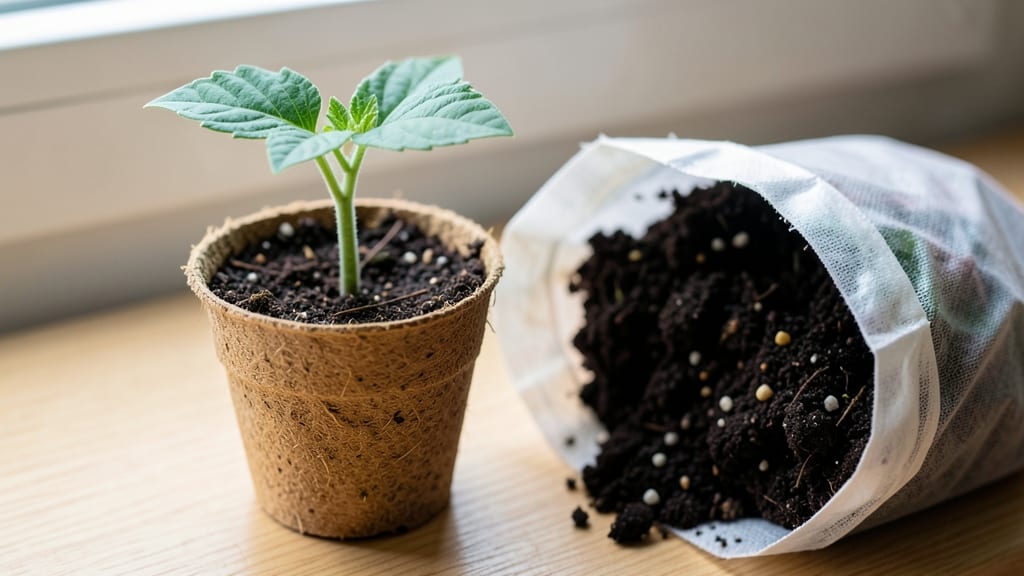
Skip the nursery aisle—your early jalapeño seedling can sprout on your windowsill in just 2 weeks, beating store-bought plants by months. 🌱 soil warmth and moisture. The key isn’t just patience; it’s creating the perfect cozy conditions they crave from day one.
Start with a 75°F soil mix—warmer than most seeds need—and keep it damp like a wrung-out sponge. A heat mat underneath your seed tray cuts germination time in half, and a clear plastic dome traps humidity so those tiny sprouts don’t dry out.
Most gardeners overwater here, but jalapeños hate soggy soil at this stage—think consistently damp, not swampy.
By week three, you’ll have sturdy 2-inch seedlings with true leaves (not just the first baby cotyledons). That’s when the real fun begins: hardening them off for transplant.
The payoff? Homegrown jalapeños that outpace nursery plants by 3-4 weeks, giving you hot peppers when others are still waiting for their first blooms.
Works in small spaces, grow tents, or even under shop lights—no greenhouse required. Here’s exactly how to turn those slow-starting seeds into firepower for your garden by summer.
Root Causes Of Premature Growth
Understanding why your early jalapeño seedlings grow too quickly—or appear stunted yet precocious—starts with the science behind their development. While "fast germination" might sound like a win, it often signals underlying issues that can weaken your plants before they even hit the soil.
Let’s break down the real culprits behind premature growth and how they disrupt your seedlings’ natural rhythm.
Jalapeños (Capsicum annuum) thrive in warm but stable conditions—typically between 70–85°F (21–29°C). When seedlings experience sudden heat spikes (above 90°F/32°C) or cool drops (below 60°F/15°C), their metabolic processes go into overdrive. Here’s how it happens:
- Too Hot? Excessive heat accelerates enzymatic activity, forcing seedlings to bolt (elongate rapidly) or develop weak stems.
Ethylene gas—naturally produced under stress—triggers early flowering, diverting energy from root growth. - Too Cold? Chilly nights slow photosynthesis but disrupt hormone balance, causing seedlings to stretch toward light (etiolation) while their cell walls weaken.
This makes them prone to snapping or fungal infections. - Fluctuations: Daily swings (e.g., sunny windowsills by day, drafty rooms by night) confuse the plant’s circadian rhythm, leading to erratic growth spurts.
Actionable Fix: Use a seedling heat mat (70–75°F/21–24°C) for consistent warmth and avoid placing trays near radiators or AC vents. A mini greenhouse with a thermometer keeps conditions stable.
Seedlings need 12–16 hours of light daily, but poor lighting or nutrient mismanagement can trick them into growing "too fast" for their own good.
- Insufficient Light: Without enough photosynthesis, seedlings become leggy (long, thin stems) as they stretch toward any available light source. This weakens their structure and depletes stored energy. - Over-Fertilization: High nitrogen (N) levels promote leafy growth at the expense of roots.
While this might look like "fast growth," it’s actually a false start—seedlings become top-heavy and collapse. - Lack of Phosphorus (P): Phosphorus fuels root development and flowering. A deficiency can cause seedlings to bolt prematurely, thinking they’re ready to fruit when they’re not.
Actionable Fix:
- Light: Use LED grow lights 2–3 inches above seedlings (12–14 hours/day). Rotate trays daily for even growth.
- Fertilizer: Wait 2–3 weeks before introducing fertilizer, and use a balanced 5-5-5 or 10-10-10 mix at half-strength. Avoid organic fertilizers (like manure) until seedlings have 2–3 true leaves.
Water is life—but too much or too little throws seedlings into chaos. Jalapeños hate soggy roots or drought stress, both of which trigger emergency growth responses.
- Overwatering: Compacted, waterlogged soil cuts off oxygen, forcing seedlings to grow rapidly upward to escape the anaerobic zone.
This leads to weak, hollow stems and damping-off disease (a fungal attack at the soil line). - Underwatering: Drought stress triggers abscisic acid (ABA), a hormone that signals "slow down."
But if seedlings recover abruptly, they may sprout new leaves too fast, leaving them vulnerable to transplant shock. - Inconsistent Watering: Uneven moisture causes osmotic stress, where seedlings struggle to absorb nutrients, leading to stunted but precocious growth (small leaves, early flowering).
Actionable Fix:
- Soil Mix: Use a well-draining blend (50% peat moss, 30% perlite, 20% vermiculite) to prevent compaction.
- Watering: Keep soil consistently moist (not soggy) with a mist bottle or drip irrigation. Bottom-watering (placing trays in shallow water for 10 minutes) encourages deep root growth.
- Avoid Crowding: Seedlings need space to breathe—thin to 1–2 inches apart to prevent fungal spread.
Not all jalapeños are created equal! Some varieties are hardwired for early vigor, while others bolt quickly due to their heat tolerance or day-length sensitivity.
- Early-Maturing Strains: Some jalapeño hybrids (e.g., 'Early Jalapeño' or 'Super Early') are bred to germinate and grow faster than heirlooms.
If you’re using these, expect bolting in 3–4 weeks—not a problem, but a feature! - Photoperiod Sensitivity: Short-day plants (like some pepper varieties) may flower prematurely if exposed to longer daylight hours (e.g., artificial grow lights left on 24/7).
This confuses their vernalization (cold requirement for flowering). - Heat-Tolerant Lines: Varieties like 'NuMex Sandia' or 'Big Jim' are bred for high-temperature zones and may spurt growth when others stall.
Actionable Fix:
- Check Seed Packets: Look for terms like "early maturing," "short-day," or "heat-tolerant" to set expectations.
- Control Light Cycles: For photoperiod-sensitive plants, use timers on grow lights to mimic natural day lengths (e.g., 12 hours on, 12 off).
- Save Seeds from Ripe Peppers: If you’re growing from saved seeds, note which plants bolt early and adjust future plantings accordingly.
Even after germination, sudden changes can send seedlings into emergency growth mode. This happens when:
- Temperature Swings: Moving seedlings from a warm indoor setup to a cool greenhouse (or vice versa) disrupts their hormonal balance, leading to stunted but stressed growth.
- Wind or Drafts: Outdoor seedlings exposed to strong breezes or cold drafts may bolt or develop thick stems as a survival tactic.
- Soil Shock: Repotting too early (before roots fill the starter cell) or using heavy, compacted soil forces seedlings to adapt quickly, often at the cost of health.
Actionable Fix:
- Hardening Off: Gradually acclimate seedlings to outdoor conditions over 7–10 days by placing them in partial shade for increasing durations.
- Windbreaks: Use row covers or mesh screens to shield seedlings from harsh winds.
- Transplant Care: Wait until seedlings have 2–3 sets of true leaves and strong root systems before repotting. Use lightweight, airy potting mix (avoid garden soil).
Quick Fixes for Stubborn Seedling Struggles
Growing early jalapeño seedlings can feel like a high-stakes game of patience—until it isn’t. When your tiny green sprouts start acting out (stunted growth, yellowing, or wilting), the key is acting fast with targeted fixes.
Below, we’ve mapped common issues to simple, science-backed solutions, plus prevention tips to keep your seedlings thriving from day one.
Signs: Yellow leaves, mushy stems, or seedlings collapsing like overripe tomatoes.
How to Fix It:
- 🚰 Drain the Trauma
- Gently remove seedlings from their container and let the roots air-dry for 10–15 minutes on a paper towel.
- If the soil smells sour or looks soggy, replace it entirely with a fresh mix of 50% peat moss, 30% perlite, and 20% compost.
- 🔄 Repot with Care
- Use a well-draining pot (with drainage holes!) and fill it with sterilized seed-starting mix.
- Plant seedlings no deeper than their original soil line to avoid rot.
- 💧 Adjust Your Watering
- Bottom-watering is your new best friend: Place the pot in a tray of water for 5–10 minutes, then remove excess.
- Water only when the top inch of soil feels dry—stick your finger in to test!
💡 Prevention Tip:
- Mist, don’t drown. Use a spray bottle for humidity (especially in dry climates) instead of flooding trays.
- Avoid overcrowded trays. Seedlings need airflow—thin them out if they’re touching.
Signs: Wilting, dry soil pulling away from pot edges, or seedlings that feel lightweight (like they’re made of paper).
How to Fix It:
- 💦 Hydrate Fast
- Soak the pot in lukewarm water for 15–20 minutes to rehydrate roots without shocking them.
- If the soil is brick-hard, gently loosen it with a chopstick to help water penetrate.
- 🌡️ Boost Humidity
- Pop a humidity dome (or a plastic bag with holes) over seedlings for 24–48 hours to retain moisture.
- Place trays on a pebble tray filled with water to create a micro-climate.
- 🌱 Transplant if Needed
- If roots are circling or the seedling is too weak, repot into slightly larger containers with fresh, moist soil.
💡 Prevention Tip:
- Group seedlings together to share moisture (they’ll create their own humidity bubble!).
- Water in the morning so excess evaporates by night—no soggy surprises.
Signs: Tall, spindly stems with tiny leaves, seedlings leaning toward a window like sun-worshippers.
How to Fix It:
- ☀️ Move Them Closer (But Not Too Close!)
- Place seedlings 1–2 inches from a grow light (or a south-facing window).
- 12–16 hours of light daily is ideal—set a timer if using artificial lights.
- 🌿 Bury Them Deeper (Up to Their First True Leaves)
- Gently push seedlings deeper into the soil to stabilize stems and encourage root growth.
- This trick works like a natural "training wheel" for weak stems.
- 🔄 Fertilize Lightly
- Once seedlings have 2–3 true leaves, use a diluted fish emulsion (5-5-5) at half strength to boost strength.
- Avoid high-nitrogen fertilizers—they promote leafy growth, not sturdy stems.
💡 Prevention Tip:
- Rotate trays daily if using natural light to prevent leaning.
- Start with heat mats (70–75°F) to speed germination and reduce legginess from the get-go.
Signs: Pale yellow leaves (chlorosis), brown spots, or leaves curling like old parchment.
How to Fix It:
- 🔍 Diagnose First
- **Yellow bottom leaves? Likely overwatering or root rot—see the first fix.
- Yellow top leaves? Could be nitrogen deficiency or too much salt from fertilizer.
- Brown spots? Fungal disease (like damping-off)—time for action!
- 🌿 Treat Fungal Issues
- Remove infected seedlings immediately to prevent spread.
- 🍽️ Feed the Right Way
- For nitrogen deficiency: Use a
- For salt buildup: Flush the soil with distilled water for 10 minutes to leach out excess minerals.
💡 Prevention Tip:
- Sterilize tools and trays with 1 part bleach to 9 parts water before reuse.
- Use seed-starting mix with mycorrhizal fungi to boost natural nutrient uptake.
Signs: Tiny holes in leaves, webbing, or seedlings suddenly wilting (thanks, aphids!).
How to Fix It:
- 🦋 Identify the Culprit
- Fungus gnats? Tiny black flies hovering near soil.
- Spider mites? Fine webbing on undersides of leaves.
- 🚫 Non-Toxic Solutions
- Diatomaceous earth (food-grade) around the base deters crawling pests.
- Yellow sticky traps catch fungus gnats like a bug magnet.
- 🌱 Isolate Infested Seedlings
- Move affected plants to a
💡 Prevention Tip:
- Let soil dry slightly between waterings to deter fungus gnats (they love moisture!).
- Introduce beneficial nematodes** (like Steinernema feltiae) to the soil for long-term pest control.
🎯 Pro Tip: Keep a seedling journal! Note watering, light, and fertilizer schedules so you can spot patterns—and fix them before they become crises. Happy growing! 🌿✨
Frequently asked questions
How long does it take for jalapeño seeds to sprout?
With ideal conditions—75–85°F soil and consistent moisture—jalapeño seeds typically sprout in 7–14 days. Early varieties like 'Super Early' may appear in as few as 5 days, while heirlooms can take up to 3 weeks. Keep the soil warm and damp (like a wrung-out sponge) to speed germination.
Can I use regular potting soil for my jalapeño seedlings?
No—regular potting soil is too dense and nutrient-heavy for seedlings. Use a lightweight seed-starting mix (50% peat moss, 30% perlite, 20% vermiculite) to prevent compaction and fungal issues. This blend drains well and encourages strong root development without overwhelming young plants.
Why are my jalapeño seedlings turning yellow?
Yellowing leaves usually signal overwatering (bottom leaves) or nutrient deficiency (top leaves). For soggy soil, let the top inch dry between waterings. If leaves are pale, wait 2–3 weeks before fertilizing with a balanced 5-5-5 mix at half-strength. Avoid high-nitrogen fertilizers—they promote leafy growth at the expense of roots.
When should I transplant my jalapeño seedlings outdoors?
Wait until seedlings have 2–3 sets of true leaves and nighttime temperatures stay above 55°F. Harden them off over 7–10 days by gradually exposing them to outdoor conditions (start with 1–2 hours in partial shade). Transplant after sunset to reduce shock, and bury stems deeper than in the starter pot for stability.
What’s the best way to prevent damping-off disease in seedlings?
Damping-off is caused by fungal overgrowth in wet soil. To prevent it, sterilize trays with bleach solution, use well-draining soil, and avoid overhead watering. Space seedlings 1–2 inches apart for airflow, and consider a humidity dome (with ventilation) to maintain moisture without soggy conditions.