Propagation
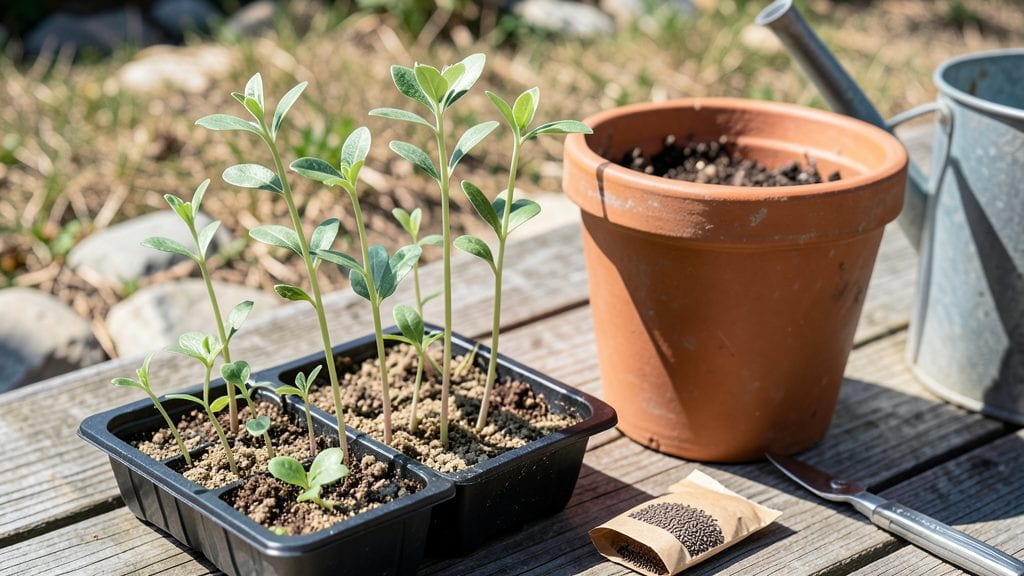
Euphorbia peplus seeds contain dangerous latex sap and milky juice that trigger severe skin irritation, chemical burns, and gastrointestinal distress if swallowed. Always wear protective gloves, avoid eye contact, and keep them locked away from pets and children.
These seeds pack a toxic punch thanks to their diterpene esters and resin compounds, which act like a chemical irritant when they touch skin or enter your system. 🔥 Even brief exposure can cause blistering reactions, while accidental ingestion leads to nausea, vomiting, and abdominal pain within minutes.
Gardeners often underestimate the risk because the plant’s bright flowers distract from its hidden dangers—always assume these seeds are off-limits until you’ve confirmed they’re safe.
For extra safety, I recommend storing harvested seeds in airtight containers labeled with warning stickers, and disposing of any spilled sap with vinegar or rubbing alcohol to neutralize the irritants.
If exposure happens, rinse skin immediately with soap and water, and seek medical help for eye contact or ingestion cases—delayed reactions can worsen over hours.
💡 In This Article
- Toxic Compounds in Euphorbia Peplus Seeds
- Safe Handling and Emergency Response for Euphorbia Peplus
Toxic compounds in euphorbia peplus seeds
The primary danger in these seeds comes from their diterpene esters, particularly ingol and peplu compounds, which make up about 15-20% of the seed's resin content. These chemicals act as natural irritants, triggering an inflammatory response in human tissue.
The milky latex sap contains phorbol esters, which disrupt normal cell signaling pathways—similar to how some cancer treatments work but in a toxic, uncontrolled way. 🔥
When the latex contacts skin, it causes dermatitis through a process called contact sensitization, where the immune system overreacts to the foreign compounds. Studies show that just 0.1 milligrams of dried latex powder on broken skin can produce visible blisters within 12-48 hours.
The sap also contains resin acids that chemically burn skin by denaturing proteins, similar to how strong lye works but with a delayed reaction pattern.
Ingestion is even more dangerous because these compounds affect multiple organ systems. The diterpenes irritate the gastrointestinal lining, causing vomiting and diarrhea within 30-60 minutes of exposure. The phorbol esters can also trigger allergic reactions in sensitive individuals, leading to swelling of the throat or anaphylaxis in severe cases.
Unlike many plant toxins that cause immediate symptoms, euphorbia's effects often worsen over 6-12 hours, making delayed medical attention particularly risky.
What makes these compounds so dangerous is their persistent nature. The diterpenes bind to proteins in your body, creating long-lasting immune responses. Even after the initial exposure, some people develop chronic skin sensitivity that flares up with subsequent contact.
This explains why gardeners who handle euphorbia repeatedly often develop persistent dermatitis despite careful handling.
The toxic effects extend beyond humans—pets are particularly vulnerable because their smaller size means even tiny amounts of sap can cause systemic poisoning. A 5-pound dog might experience toxicity from just 0.5 grams of crushed seeds, leading to symptoms that mimic severe food poisoning.
The sap's ability to penetrate mucous membranes quickly makes eye exposure especially dangerous, potentially causing chemical conjunctivitis that requires immediate irrigation.
Here's what's actually happening chemically: The diterpenes work by activating protein kinase C, an enzyme that regulates cell growth. In toxic doses, this causes uncontrolled cell division and inflammation—similar to how some skin cancer treatments work but without the controlled application.
This mechanism explains why euphorbia has been used historically in traditional medicines (in extremely diluted forms) for treating warts and skin conditions, despite its dangers.