Vegetables
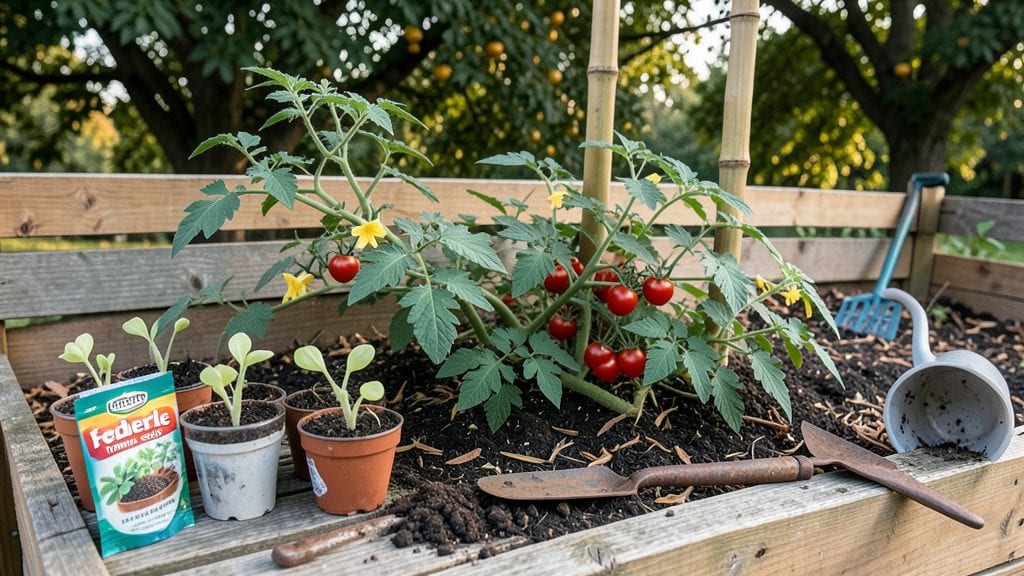
Saving Federle tomato seeds from this year’s harvest means you’re securing next season’s heirloom quality before the first frost. ✨ These plump, meaty tomatoes—with their rich flavor and classic beefsteak shape—are worth the effort to preserve, and the process is simpler than most gardeners think.
The key starts with letting a few ripe tomatoes fully ripen on the vine, then scooping out the seeds with their jelly-like pulp. Fermenting those seeds for a few days removes the gelatinous coating that would otherwise prevent proper germination.
You’ll need just a jar, some water, and patience—no fancy equipment.
Once dried and stored properly, these seeds will produce tomatoes just like their parents: bold, beefy slices perfect for sandwiches or sauces. The payoff is a garden that tastes like summer, even when you’re planning next year’s plot in January.
This method works for any heirloom tomato, but Federles repay the effort with unmatched flavor consistency year after year. Let’s turn this season’s harvest into next year’s foundation.
📚 In This Guide
- What you need
- Instructions
- Tips and common mistakes
- Wrapping up and next steps
What you need
- ● Federle tomato seeds – Purchase from a trusted seed supplier (e.g., Baker Creek Heirloom Seeds, Seed Savers Exchange, or Burpee). Aim for 10–15 seeds per plant if you’re new to growing tomatoes.
- ● Seed-starting mix – A lightweight, sterile potting soil (avoid garden soil—it may contain pathogens). A 10–12 quart bag is ideal for 5–10 plants.
- ● Seed trays or small pots – Use biodegradable peat pots (2–3 inches deep) or plastic cell packs (72–128 cells) for easy transplanting.
- ○ Grow lights or sunny windowsill – A full-spectrum LED grow light (12–16 hours/day) is optional but highly recommended for indoor starts.
- ● Watering can or spray bottle – A gentle misting nozzle helps avoid disturbing seeds.
- ● Plant labels & markers – Writeable popsicle sticks or plastic tags to track varieties (Federles need clear identification!).
- ● Trowel or small hand shovel – For transplanting seedlings into the garden.
- ● Garden twine or tomato cages – 6–8 ft tall cages or sturdy stakes (3–4 ft) to support vines (Federles can get heavy!).
- ○ Pruning shears – For succession pruning (optional but helps airflow and fruit production).
- ● Fertilizer – A balanced organic fertilizer (e.g., 5-5-5 or fish emulsion) for transplanting and a low-nitrogen, high-phosphorus blend (e.g., 3-4-6) during fruiting.
- ● Mulch – Straw or shredded leaves to retain moisture and suppress weeds.
- ○ Warmth – Federle seeds germinate best at 70–85°F. Use a heat mat (optional) if starting indoors early.
- ● Sunlight – 6–8+ hours of direct sun daily after transplanting (Federles thrive in full sun).
- ● Space – 18–24 inches between plants (they spread!). If growing in containers, use 5-gallon pots or larger.
- ● Patience – Federles take 70–85 days to maturity—plan accordingly!
- ● Seed-saving envelopes – To store seeds for next year’s garden (Federles are heirloom—save them to preserve traits!).
- ● Compost bin – For enriching soil with organic matter.
- ● Row covers or shade cloth – Protects young plants from late frosts or pests.
- ● pH test kit – Tomatoes prefer 6.0–6.8 pH; adjust soil if needed.
How to save and store Federle tomato seeds for next year
Here's the simple method I use to preserve heirloom Federle tomato seeds—no fancy equipment, just reliable results.
🌱 Step 1: Select and Extract Ripe Tomatoes
Pick fully ripe Federle tomatoes—those with deep red color and slightly soft texture when gently squeezed. The riper the fruit, the easier seed extraction becomes. Cut the tomatoes open and scoop out the jelly-like pulp into a clean bowl.
Add 1 cup of water to the bowl and stir well. Let the mixture sit for 1-2 days at room temperature. You'll notice the seeds sink to the bottom while the pulp and gel rise to the top—this is the fermentation process breaking down the gel that coats the seeds.
💧 Step 2: Ferment and Clean the Seeds
After 1-2 days, the mixture will smell slightly fermented—this is normal and helps remove the gel coating that inhibits germination. Pour the mixture through a fine-mesh strainer, rinsing the seeds with water until the water runs clear. This removes any remaining pulp.
Spread the seeds on a clean, dry paper towel and let them air dry for 3-5 days in a well-ventilated area. They're ready when they're completely dry and crumbly to the touch. Avoid using a hairdryer or oven—slow drying prevents seed damage.
☀️ Step 3: Store Seeds Properly for Long-Term Viability
Once fully dry, transfer the seeds into a small, airtight container like a glass jar or envelope. Label it with the variety (Federle) and the year. Store the container in a cool, dark place—like a refrigerator or seed storage box—where temperatures stay between 35-45°F.
Seeds stored this way remain viable for 3-5 years, though Federle tomatoes often retain good germination rates even longer. Check the seeds annually to ensure they stay dry and free from moisture or pests.
⏰ Step 4: Test Seed Viability Before Planting Next Year
Before planting, test a few seeds by placing them between damp paper towels in a sealed plastic bag. Keep them in a warm spot (70-75°F) and check for sprouts in 5-7 days. If most seeds sprout, your stored seeds are still good to use.
If germination rates are low, you can still plant them—just expect fewer seedlings. For best results, use seeds that show 80% or higher germination when tested. This simple check ensures you're starting with healthy, viable seeds for next year's garden.
Tips & tricks for perfect Federle tomato seed preservation
Preserving Federle tomato seeds properly ensures you'll have vibrant, heirloom-quality plants next season. Here are my go-to tricks for foolproof seed saving.
Fermentation Time Matters: The 1-2 days of fermentation in Step 1 is crucial—it removes the gel that naturally coats seeds and inhibits germination. If your kitchen is cooler (below 70°F), you might need the full 2 days. I've found that warmer kitchens (75°F+) can sometimes do it in just 1 day, but don't rush it. The seeds will sink to the bottom when ready, and the mixture will smell tangy and fermented.
Drying Technique: For Step 2's 3-5 day drying period, I always use a mesh screen or clean window screen instead of paper towels. The airflow is better, and seeds dry more evenly. Place it in a spot with good circulation but away from direct sunlight—bright light can overheat and damage the seeds. If you live in a humid climate, consider using a small fan on low to speed up drying while preventing mold.
Storage Environment: The 35-45°F temperature range in Step 3 is ideal for long-term seed viability. If you don't have a dedicated seed storage box, I've had great results using small glass jars in the back of my refrigerator's crisper drawer. The humidity control there helps maintain dryness. Just make sure to label your jars clearly with the variety and date—Federle seeds stored this way have lasted me up to 7 years with good germination!
Viability Test Shortcut: For the germination test in Step 4, I like to use clear plastic baggies instead of sealed bags. This lets me easily check progress without opening the bag. Place the damp paper towel with seeds between two layers of paper towel, then fold into a small packet. The clear baggie lets you see sprouts forming within 5-7 days. If you're testing multiple seed varieties, use different colored baggies to avoid confusion.
Pro Tips for Federle Tomato Seeds
- Preserving Federle tomato seeds properly ensures you'll have vibrant, heirloom-quality plants next season.
- Fermentation Time Matters: The 1-2 days of fermentation in Step 1 is crucial—it removes the gel that naturally coats seeds and inhibits germination.
- Drying Technique: For Step 2's 3-5 day drying period, I always use a mesh screen or clean window screen instead of paper towels.
Frequently asked questions
Got questions about growing Federle tomato seeds? We’ve got answers!
Whether you’re a first-time gardener or a seasoned green thumb, these FAQs will help you navigate everything from planting to seed-saving. Let’s dive in!
How do I know if my Federle tomato seeds are viable before planting?
Test viability by placing a few seeds in a damp paper towel, sealing them in a plastic bag, and storing them in a warm spot for 5–7 days. If most sprout, your seeds are good to go! For extra peace of mind, store unused seeds in a cool, dry place (like a sealed container in the fridge) for up to 5 years.
When is the best time to plant Federle tomato seeds indoors vs. outdoors?
Start seeds indoors 6–8 weeks before your last frost date (typically March–April in most climates) for a head start. Transplant seedlings outdoors after soil temps reach 55°F+ and nighttime temps stay above 50°F—usually late spring. Federles thrive in warm weather, so avoid early planting! →
Can I grow Federle tomatoes from store-bought seeds, or do I need heirloom seeds?
Store-bought seeds (like hybrid varieties) may not produce true-to-type tomatoes—meaning your saved seeds could yield different (or inferior) plants. Federle is an heirloom variety, so using heirloom seeds ensures you’ll get the same delicious, beefsteak-style tomatoes year after year. Worth the splurge!
What should I do if my Federle seedlings get pests like aphids or fungal issues?
Act fast! For aphids, blast them off with water or introduce ladybugs. For fungal issues (like damping-off), improve airflow, avoid overhead watering, and treat with neem oil or copper fungicide. Prevention tip: Use sterile soil and rotate crops to keep pests at bay.
How do I save seeds from my Federle tomatoes for next year?
Pick the healthiest, ripest tomatoes, scoop out the gel and seeds, and ferment them in water for 2–3 days. Rinse, dry on a paper towel, and store in an airtight container in a cool, dark place. Label them—Federle seeds are non-GMO and open-pollinated, so they’re perfect for saving!
Wrapping up and next steps
Growing Federle tomato seeds is your ticket to a bountiful, flavor-packed harvest season after season! These heirloom gems deliver unmatched sweetness, rich texture, and that classic old-school taste—perfect for preserving or savoring fresh.
Whether you're a seasoned gardener or just starting, saving seeds from your Federle tomatoes ensures you’ll always have access to this cherished variety.
Ready to plant the future? Start by harvesting ripe tomatoes, drying the seeds, and storing them properly. Then, mark your calendar for next year’s planting—your garden (and taste buds!) will thank you. Happy growing! 🌱✨