
Picking
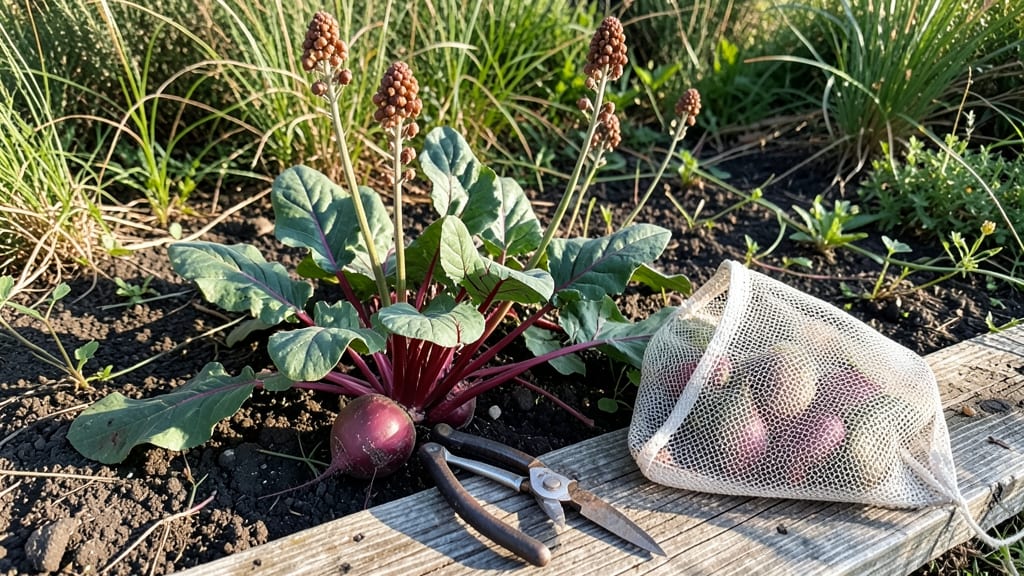
Harvesting beet seeds saves you money and connects you to the cycle of life in your garden. 🌱 The process starts when you notice those papery seed pods forming on your beet plants—each one holding the promise of next year’s harvest.
I’ve saved seeds for years, and the first time I watched my own homegrown beets sprout from my stored seeds was magical.
You’ll need just a few simple supplies: clean paper bags for drying, a sharp knife or scissors, and a dry, cool place to store your seeds. The key is patience—wait until the seed pods turn completely brown and crisp before harvesting, usually 8-10 weeks after flowering begins.
If you pick too early, the seeds won’t be fully mature, and if you wait too long, they might scatter on their own.
Once dried, store your seeds in an airtight container in a cool, dark place where they’ll stay viable for 3-5 years.
The satisfaction of watching your own saved seeds grow into healthy beets is unmatched—nothing beats the taste or the pride of knowing you’re part of the garden’s endless cycle. Let’s get those seeds ready for next season!
Fair warning: beet seed-saving isn’t foolproof—sometimes mold or poor germination happens, but with the right timing and care, you’ll have a reliable stash. Here’s how to troubleshoot if things go sideways, so you don’t waste your efforts.
The payoff is worth it, though—imagine starting next year’s garden with seeds you grew yourself!
📚 In This Guide
- What you need
- Instructions
- Tips and common mistakes
- Wrapping up and next steps
What you need
- ● Mature beet plants: Choose healthy, disease-free beets that have bolted (produced flower stalks) and developed seed pods. Aim for at least 3–5 plants for a good seed yield.
- ● Sharp pruning shears or scissors: For cleanly snipping seed stalks without damaging the pods.
- ● Brown paper bags or breathable mesh bags: 3–5 bags, labeled with the beet variety and harvest date (e.g., "Detroit Dark Red – 2024").
- ● Drying trays or screens: Flat surfaces (like a baking sheet or wooden frame) to spread stalks for even drying. Ensure they’re clean and dry.
- ● Small paper envelopes or seed packets: For storing dried seeds once they’re fully mature.
- ● Permanent marker or labels: To mark varieties, harvest dates, and storage locations.
- ● Fine mesh strainer or sieve: To separate seeds from dried chaff and debris.
- ● Desiccant packets: Place a few in seed storage containers to absorb excess moisture and prevent mold.
- ● Humidity pack or silica gel: For long-term seed storage (especially in humid climates).
- ● Seed catalog or notebook: To track germination rates, notes on flavor, and growing conditions for future reference.
- ● Glove: To protect your hands from prickly seed pods or debris.
- ● Fan or dehumidifier: If drying seeds indoors, a gentle airflow speeds up the process without overheating.
Step-by-step instructions for harvesting beet seeds
Here’s how to turn this year’s beets into next year’s harvest—no fancy tools needed.
🌱 Step 1: Let Bolting Beets Flower and Form Seed Pods
Start by allowing some of your healthiest beets to bolt naturally. Stop harvesting them once they reach 3-4 inches in diameter—this gives them energy to flower. When the plants send up their 2-foot-tall flower stalks (usually in late summer), let them bloom fully. The flowers will develop into small, round seed pods that start green and turn brown as they mature.
Real talk: Don’t rush this. Green pods mean seeds aren’t ready—wait until they’re dry and papery before harvesting. If you pick them too soon, the seeds inside won’t germinate well next year.
✂️ Step 2: Harvest Mature Seed Pods at Peak Dryness
Once the pods turn brown and crispy, snip them off the stalk with clean scissors or pruners. I like to do this on a dry, sunny afternoon—the pods will be at their crispest. Place them in a paper bag (not plastic) to prevent moisture buildup. If any pods still feel soft or green, leave them on the plant a few more days.
Don’t let them shatter on the plant—if you see seeds spilling out, harvest immediately. These seeds are still viable, but they’ll scatter everywhere, making cleanup a nightmare.
🪴 Step 3: Dry and Clean the Seeds
Spread the harvested pods on a clean, dry towel in a warm, well-ventilated spot (like a sunny windowsill or garage shelf). Let them dry for 7-10 days until completely brittle. Once dry, gently crush the pods between your fingers to release the seeds. Sift through the debris with your fingers or a fine-mesh strainer—discard the chaff, keeping only the small, dark seeds. Store them in a paper envelope or small glass jar.
Here’s the thing—if you rush drying, the seeds may mold. If you skip sifting, you’ll end up with a mix of seeds and plant debris. Take your time here for the best results.
💧 Step 4: Store Seeds Properly for Next Year
Label your seed envelope with the variety and harvest date. Store it in a cool, dark place (like a pantry or seed vault) where temperatures stay below 70°F and humidity is low. Under these conditions, beet seeds stay viable for 3-5 years, though germination rates drop after year two.
Don’t refrigerate them—unless you’re storing for more than five years, room temperature is perfect. Check the envelope occasionally for moisture or pests. If you see any, transfer the seeds to a fresh, dry container immediately.
☀️ Step 5: Revive Seeds for Planting Next Spring
Before sowing, soak the seeds in lukewarm water for 12 hours to soften their tough outer shell. This step boosts germination rates, which can be spotty with older seeds. After soaking, plant them ¼ inch deep in well-draining soil and keep it consistently moist until sprouts appear in 10-14 days.
I know it seems weird, but trust me—this extra step makes all the difference. Without soaking, you might wait weeks for germination, or worse, give up and buy new seeds.
Tips & tricks for perfect beet seed harvesting
These little-known tricks will help you save the best seeds from your beet harvest—and ensure they're ready for planting next spring.
Timing Secret: Watch for those 2-foot-tall flower stalks in late summer—they're your signal that seed pods are forming. I learned the hard way that green pods mean immature seeds. Wait until they turn completely brown and crispy before harvesting. This usually happens about 3-4 weeks after flowering begins, but weather plays a big role. If you're in a humid climate, pods may take longer to dry on the plant.
Harvest Strategy: Time your harvesting for a dry, sunny afternoon—this is when pods are at their crispest. Use clean scissors or pruners to avoid damaging the stalk. I always place harvested pods in a paper bag (never plastic) to prevent moisture buildup. This simple step prevents mold and keeps your seeds viable. If you see seeds spilling out, harvest immediately—they're still good, but they'll scatter everywhere!
Drying Wisdom: The 7-10 day drying period in Step 3 is crucial—don't rush it! Spread pods on a clean, dry towel in a warm, well-ventilated spot. I use a sunny windowsill or garage shelf. If you rush drying, seeds may mold. Test for readiness by gently crushing a pod—if it crumbles easily, your seeds are ready. Once dry, sift through the debris carefully to keep only the small, dark seeds. This step ensures you'll have clean seeds ready for planting.
Storage Hack: Label your seed envelope with both the variety and harvest date—this saves confusion when you're ready to plant next year. Store in a cool, dark place below 70°F for maximum viability. I keep mine in a small glass jar in my pantry. Check occasionally for moisture or pests—if you see any, transfer seeds to a fresh container immediately. Proper storage keeps seeds viable for 3-5 years, though germination rates drop after year two.
Pro Tips for Harvest Beet Seeds
- These little-known tricks will help you save the best seeds from your beet harvest—and ensure they're ready for planting next spring.
- Timing Secret: Watch for those 2-foot-tall flower stalks in late summer—they're your signal that seed pods are forming.
- Harvest Strategy: Time your harvesting for a dry, sunny afternoon—this is when pods are at their crispest.
Frequently asked questions
Got questions about harvesting beet seeds? You’re not alone! Here are some of the most common concerns—and straightforward answers—to help you succeed.
How do I know when beet seeds are ready to harvest?
Beet seeds are ready when the seed pods turn from green to tan or light brown and begin to split open. If you wait too long, the seeds may scatter or sprout prematurely. Aim to harvest when about 50-70% of the pods are dry but still intact.
Can I harvest beet seeds in the fall or do I need to wait until spring?
You can harvest beet seeds in the fall if your climate stays mild. However, if frost threatens, pull the plants and hang them upside down in a dry, dark place (like a garage) to finish drying. If you live in a cold region, wait until spring planting for fresh seeds.
What do I do if my beet plants bolt but don’t produce seeds?
Bolting (sending up flower stalks) without seeds usually means heat stress, drought, or poor soil. Next time, plant bolting-resistant varieties like ‘Detroit Dark Red’ or sow seeds earlier in cooler weather. If you’re late to the game, try cross-pollinating with another beet variety to encourage seed set.
How long can I store harvested beet seeds before they lose viability?
Properly stored beet seeds (in a cool, dry place like a sealed jar in the fridge) stay viable for 3–5 years. Test germination by planting a few seeds—if 50%+ sprout, they’re still good! For best results, label and date your seed packets.
Can I save seeds from store-bought beets?
Unfortunately, no—most grocery store beets are hybrids (crossbred for uniformity), meaning their seeds won’t grow true to the parent plant. To save seeds, buy heirloom or open-pollinated varieties from seed catalogs or farmers’ markets.
Wrapping up and next steps
Harvesting beet seeds is a rewarding way to ensure next year’s garden blooms with vibrant, homegrown plants! By following these steps—selecting healthy beets, letting flowers mature, and properly drying and storing seeds—you’ll unlock a sustainable cycle of growth.
Whether you’re a seasoned gardener or just starting, your efforts will pay off with fresh, organic seeds ready for planting.
Now that you’re equipped with the know-how, take the next step! Try experimenting with different beet varieties or share your newfound skills with fellow gardeners. Happy growing—and may your future harvests be as bountiful as your patience! 🌱✨