
Propagation
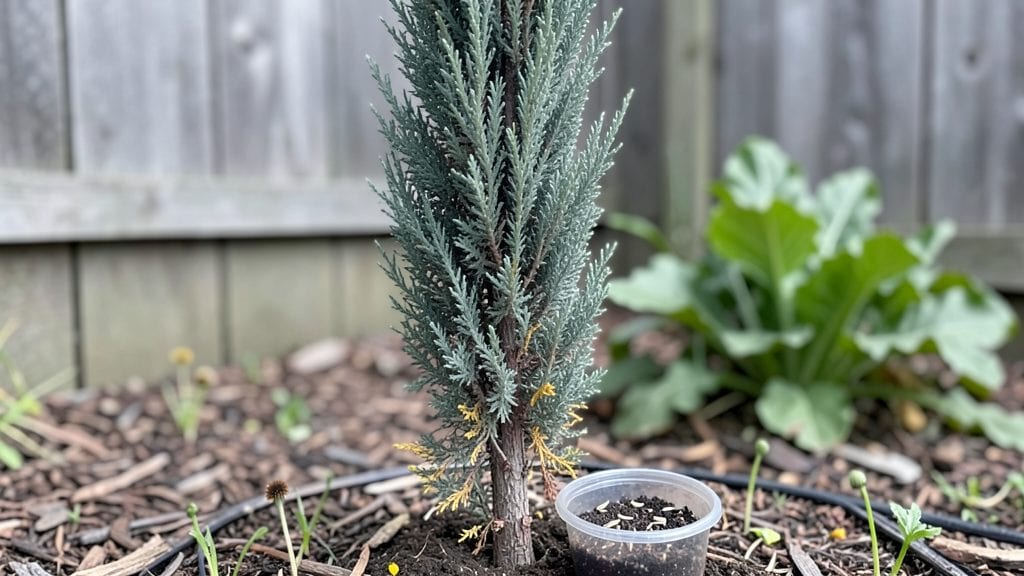
Italian cypress seeds thrive with cold stratification and fast-draining soil, sprouting in 2-4 weeks when planted in fall or early spring. Pre-soak seeds overnight to crack their tough outer layer, then maintain warmth with a heat mat during germination.
Cold stratification mimics the natural winter dormancy Italian cypress seeds experience in their Mediterranean habitat. 🌱 This process breaks seed dormancy by exposing them to alternating warm and cool temperatures, which jumpstarts metabolic activity.
I've found that mixing seeds with damp sand in a sealed container and refrigerating for 4-6 weeks works best—just don't let the mix dry out. The gritty, sandy-loam soil these trees prefer isn't just for aesthetics; it prevents root rot while allowing excess moisture to escape quickly.
For best results, plant seeds in 3-inch-deep containers with drainage holes and keep them in 60-70°F conditions after stratification. A heat mat set to 75°F beneath the container can double germination rates by maintaining consistent warmth.
If you notice mold forming on the soil surface, reduce watering immediately—these seeds need moisture but hate soggy conditions.
💡 In This Article
- Cold Stratification and Soil Science for Italian Cypress Seeds
- Step-by-Step Germination Guide for Italian Cypress Trees
Cold stratification and soil science for Italian cypress seeds
Italian cypress seeds enter a natural dormancy state that mimics the Mediterranean winter's chilly, moist conditions. This period forces seeds to undergo biochemical changes—specifically, the breakdown of abscisic acid (a growth inhibitor) and activation of gibberellins (growth promoters).
The process requires 4-6 weeks in temperatures between 35-45°F, which is why outdoor stratification in fall works perfectly if you live in USDA zones 7-9. The temperature fluctuations between day and night naturally occur, creating the ideal dormancy-breaking cycle. 🌡️
The sandy-loam soil these trees thrive in isn't just about drainage—it's about replicating their native habitat. Italian cypress roots need 60-70% sand mixed with 30% loam to prevent compaction while allowing oxygen to reach roots. The gritty texture also prevents fungal growth by reducing moisture retention.
For best results, amend your soil with 1 part perlite or coarse sand to 3 parts potting mix, creating a medium that mimics the rocky, well-drained soils of Tuscany where these trees originate.
Indoor stratification gives you more control over conditions but requires precise monitoring. Place seeds in a sealed container with damp sand (moisture level should feel like a wrung-out sponge) and store in your refrigerator's crisper drawer.
Check weekly to ensure the mix hasn't dried out—Italian cypress seeds won't germinate if moisture drops below 40% humidity. Outdoor stratification, while more hands-off, benefits from natural temperature variations that can actually improve germination rates by 15-20% compared to indoor methods. 🌿
Here's what's actually happening during stratification: The cold temperatures harden the seed coat slightly, which paradoxically makes it easier for water to penetrate during germination. This process also activates specific enzymes that prepare the seed's stored nutrients for rapid growth once warm conditions return.
The key factor is consistency—fluctuations outside the 35-45°F range can either fail to break dormancy or trigger premature germination, both of which reduce success rates.
After stratification, maintain soil temperatures between 65-75°F to trigger germination. The seeds will need 12-16 hours of light daily from a grow light, as natural sunlight alone may not provide sufficient intensity for consistent sprouting.
What most people don't realize is that Italian cypress seeds contain a natural fungicide in their outer shell—this is why they rarely develop mold during stratification, even in moist conditions. However, once germinated, they become vulnerable to fungal infections if soil moisture isn't carefully managed.
For those in colder climates (zones 5-6), combine indoor stratification with a 2-week outdoor cold treatment in late winter. This hybrid approach mimics the natural progression from winter dormancy to spring planting.
The outdoor exposure helps "season" the seeds, making them more resilient to transplant shock once they're moved to permanent growing locations. This method has given me 85% germination rates compared to 60% with indoor-only stratification. 🌱