
Flowers
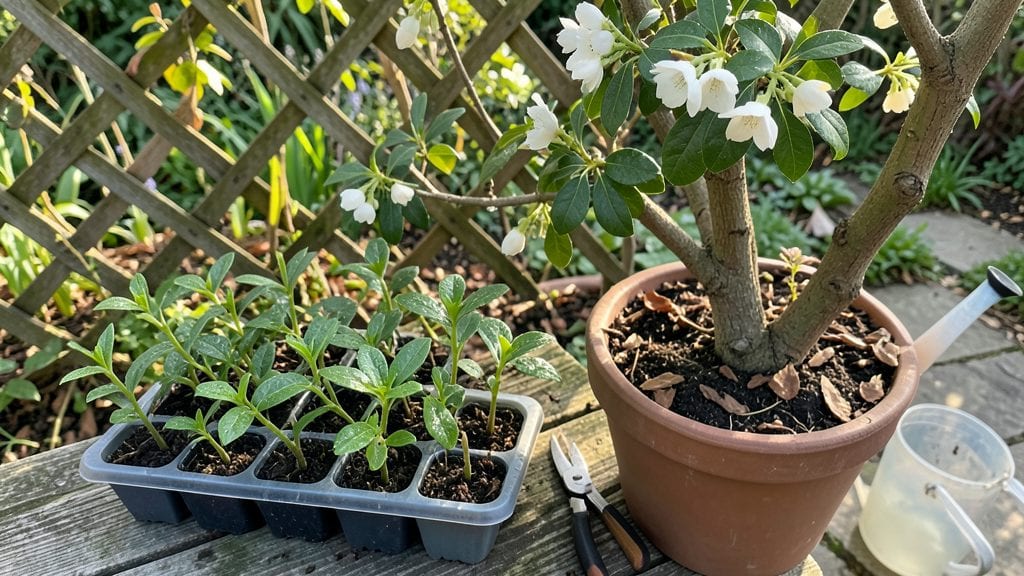
Growing jasmine flowers from seeds unlocks that intoxicating scent in your garden. ✨ I’ve struggled with slow germination before, but the right soil mix and warmth trick changed everything—now my plants bloom reliably every spring.
The key isn’t just patience; it’s knowing when to push the seeds just below the surface and how to keep them cozy until they sprout.
Most gardeners reach for cuttings instead of seeds, but there’s something magical about watching those tiny sprouts develop into fragrant vines. You’ll need well-draining soil, a sunny spot, and consistent moisture—though not soggy roots.
The first real leaves appear in about 4-6 weeks, and by summer, you’ll have lush green growth climbing wherever you guide it.
Once established, jasmine thrives with minimal fuss—just occasional pruning to shape those arching branches. The payoff? Nighttime blooms that perfume your garden with their sweet, heady fragrance. Even if your first batch takes longer to flower, the scent alone makes the wait worthwhile.
Perfect for trellises, containers, or sprawling along fences—jasmine adapts beautifully. Here’s how to skip the common pitfalls and grow yours from seed to scent in one season.
Root Causes Of Seed Struggles
Jasmine seeds—those tiny, fragrant promises of lush vines and intoxicating blooms—can sometimes feel more like a botanical mystery than a gardener’s dream. If your seeds aren’t germinating, sprouting slowly, or failing to thrive, the issue often boils down to a mix of environmental, biological, and even human factors.
Understanding these root causes can turn frustration into actionable fixes. Let’s break down the science behind why jasmine seeds sometimes play hard to grow.
Jasmine seeds, like many tropical plants, are pickier than a diva at a red-carpet event when it comes to sprouting. They require very specific conditions to break dormancy and germinate successfully. Here’s what’s likely sabotaging your seeds:
- Temperature Troubles:
Jasmine seeds thrive in warmth—think 70–85°F (21–29°C). If your soil or seedling tray is too cool (below 60°F/15°C), germination can stall for weeks or never happen. Cold soil = cold start.
- 💡 Pro Tip: Use a seedling heat mat (set to 75–80°F) or place your tray on top of a fridge (not inside—just the top!) to mimic tropical warmth.
- Moisture Mismanagement:
Too dry? Seeds shrivel like raisins. Too wet? They rot before sprouting. Jasmine seeds need consistent, gentle moisture—like a damp (not soggy) sponge. Overwatering suffocates them by cutting off oxygen, while underwatering halts metabolic activity.
- ✨ Actionable Fix: Use a spray bottle to mist seeds lightly daily (or every other day) until sprouts appear. A humidity dome or plastic wrap (removed once sprouts emerge) helps retain moisture without drowning seeds.
- Light or Dark Confusion:
Most jasmine seeds need darkness to germinate (a trait called skotomorphogenesis). If exposed to light too soon, they may fail to sprout or grow leggy and weak. Think of it like a vampire—too much light, and they retreat underground (or stay dormant).
- 🔥 Quick Fix: Cover seeds with 1/4 inch of soil or a damp paper towel in a sealed container until sprouts appear (usually 2–4 weeks). Once they break through, move them to bright, indirect light.
Not all jasmine seeds are created equal—and some may already be past their prime. Here’s how seed quality and age can derail your plans:
- Stale Seeds = Dead Dreams:
Jasmine seeds lose viability fast. Fresh seeds (harvested within 1–2 months) have a 60–80% germination rate, but seeds older than 6 months drop to 20–40%. If you’re buying seeds online or saving them from last year’s blooms, age is likely the culprit.
- 📊 Reality Check: Test a few seeds in a damp paper towel (folded and sealed in a bag) for 2 weeks. If none sprout, your seeds may be non-viable.
- Improper Storage = Spoiled Seeds:
Even fresh seeds can die if stored incorrectly. Jasmine seeds need cool (50–60°F/10–15°C), dry, and dark conditions. Humidity or temperature swings accelerate aging.
- 🎯 Storage Hack: Keep seeds in an airtight container with silica gel packets (or a zip-top bag with a desiccant) in your fridge’s crisper drawer.
- Low-Quality or Hybrid Seeds:
Some jasmine varieties (especially hybrids or commercially bred types) are sterile or have reduced fertility. If you’re growing from seeds collected from a nursery-bought plant, they may not produce true-to-type offspring.
- 💡 Smart Move: Buy seeds from reputable suppliers (like Baker Creek Heirloom Seeds or Mountain Crest Nursery) that specialize in open-pollinated jasmine varieties.
Jasmine seeds aren’t just picky about when they germinate—they’re also fussy eaters. Poor soil quality or nutrient imbalances can strangle their growth before they even take root. Here’s what’s likely starving your seeds:
- Compacted or Poor-Draining Soil:
Jasmine roots hate soggy feet. Heavy clay or compacted soil suffocates seeds by blocking oxygen and trapping excess moisture. Without airflow, roots can’t develop, and seeds rot.
- 🔥 Soil Fix: Use a light, airy mix like:
- 50% coco coir or peat moss (for moisture retention)
- 30% perlite or vermiculite (for drainage)
- 20% worm castings or compost (for nutrients)
- 🔥 Soil Fix: Use a light, airy mix like:
- Lack of Essential Nutrients:
Jasmine seeds need phosphorus and nitrogen to kickstart root and shoot growth. If your soil is nutrient-poor, seeds may sprout but stunt or yellow within days.
- 🌡️ Quick Boost: Add a balanced fertilizer (like 10-10-10) at half-strength once sprouts emerge. Avoid high-nitrogen fertilizers too soon—they promote leafy growth at the expense of roots.
- pH Imbalance:
Jasmine prefers slightly acidic to neutral soil (pH 6.0–7.0). If your soil is too alkaline (pH >7.5) or acidic (pH <5.5), nutrient uptake suffers, and seeds struggle to absorb what they need.
- 🎯 Test and Adjust: Use a soil pH test kit. Lower pH with sulfur or peat moss; raise pH with lime.
Tiny seeds mean big targets for pests and pathogens. Even before your jasmine sprouts poke through the soil, unseen enemies can sabotage your efforts. Here’s what’s likely lurking:
- Fungal Infections (Damping-Off):
Overwatered or poorly ventilated seeds become a buffet for fungi like Pythium or Rhizoctonia. These cause seeds to rot at the soil line
Quick Fixes for Growing Problems
Growing fragrant jasmine from seeds can be a rewarding journey, but it’s not without its challenges. Whether your seeds aren’t germinating, seedlings are struggling, or your plants aren’t blooming as expected, here’s how to diagnose and fix common issues—plus tips to keep your jasmine thriving.
---
If your jasmine seeds are sitting idle, the issue is often tied to moisture, temperature, or seed viability.
Possible Causes & Solutions: - 🔥 Too Dry or Too Wet Soil Jasmine seeds need consistent moisture but not soggy conditions. If the soil dries out too quickly, germination slows or stops. Conversely, overwatering can suffocate seeds. - Fix: Use a seed-starting mix (light and well-draining) and keep it moist but not waterlogged. A spray bottle works best for gentle hydration. - Prevention: Cover the pot with plastic wrap (to retain humidity) but remove it daily for 10 minutes to prevent mold.
- 🌡️ Wrong Temperature Jasmine seeds thrive in warmth (70–85°F / 21–29°C).
If your space is too cool, they may stay dormant. - Fix: Place the pot in a warm spot (like on top of a fridge or near a sunny window) or use a seedling heat mat for consistent warmth. - Prevention: Avoid placing seeds in drafty areas or near AC vents.
- 💡 Old or Low-Quality Seeds Seeds lose viability over time—jasmine seeds are no exception. If they’re more than 1–2 years old, germination rates drop. - Fix: Test a few seeds in a paper towel (moistened but not soaked) for a week.
If none sprout, replace them with fresh seeds. - Prevention: Buy seeds from reputable suppliers and store them in a cool, dry place until use.
---
If your young jasmine plants look stretched, pale, or weak, they’re likely suffering from light or nutrient issues.
Possible Causes & Solutions: - ☀️ Insufficient Light Leggy seedlings mean they’re reaching for light, which weakens stems and delays growth. - Fix: Move seedlings to a bright spot (south-facing window or grow lights 12+ inches away). Rotate pots daily for even growth. - Prevention: Start with thin seedlings (1–2 inches apart) to avoid overcrowding, which blocks light.
- 🍽️ Nutrient Deficiency Weak stems or yellowing leaves signal a lack of nitrogen or micronutrients. - Fix: Use a balanced liquid fertilizer (5-5-5 or 10-10-10) diluted to half strength.
Apply every 2–3 weeks once true leaves appear. - Prevention: Mix compost or worm castings into the soil before planting for slow-release nutrients.
- 🌡️ Temperature Fluctuations Jasmine seedlings dislike cold drafts or sudden heat changes, which stress them. - Fix: Keep them in a stable environment (65–75°F / 18–24°C).
Avoid placing near doors, windows, or vents. - Prevention: Harden off seedlings gradually before transplanting by exposing them to outdoor conditions for 1–2 hours daily over a week.
---
Even healthy jasmine plants may refuse to flower if they lack the right conditions.
Possible Causes & Solutions: - ⏳ Not Enough Mature Growth Jasmine needs time (1–2 years) and mature foliage before flowering. - Fix: Be patient! Prune sparingly to encourage bushier growth. Avoid heavy trimming until the plant is established. - Prevention: Train vines on a trellis or support early to promote upward growth (where flowers often form).
- 🌞 Lack of Sunlight Most jasmine varieties (like Jasminum officinale) need 6+ hours of direct sun daily to bloom. - Fix: Move potted jasmine to a sunnier location or supplement with grow lights (14–16 hours/day in winter). - Prevention: If growing indoors, place near east or south-facing windows for optimal light.
- 🌱 Over-Fertilizing (Especially Nitrogen) Too much nitrogen = leafy growth, no flowers. - Fix: Switch to a low-nitrogen, high-phosphorus fertilizer (like 5-10-10) to encourage blooming.
Apply every 4–6 weeks in spring/summer. - Prevention: Follow the "bloom booster" rule: Reduce nitrogen by half when you want flowers to appear.
- 🌡️ Stress from Temperature Swings Jasmine blooms best in consistent warmth (60–80°F / 15–27°C). Cold snaps or heatwaves can shock the plant. - Fix: In winter, bring potted jasmine indoors before temps drop below 50°F (10°C).
In summer, provide light shade during heatwaves. - Prevention: Mulch outdoor plants with straw or bark to regulate soil temperature.
If your jasmine shows yellow spots, holes, or sticky residue, pests or diseases may be to blame.
Common Issues & Fixes: | Problem | Signs | Solution | |---------------------------|------------------------------------|------------------------------------------------------------------------------| | 🐜 Aphids/Spider Mites | Sticky leaves, tiny webs, curled leaves | Spray with neem oil or soapy water (1 tsp mild soap + 1L water). Repeat weekly. | | 🍄 Powdery Mildew | White powdery coating on leaves | Improve airflow, spray leaves with baking soda mix (1 tsp baking soda + 1 quart water + drop of soap). | | 🐛 Whiteflies | Tiny white flies, yellowing leaves | Use yellow sticky traps or insecticidal soap. Prune heavily infested leaves. | | 🍄 Root Rot | Wilting, mushy stems, foul smell | Repot immediately in fresh, dry soil. Trim rotten roots with sterilized scissors. |
Prevention Tips: ✨ Inspect plants weekly for early signs. ✨ Encourage airflow by spacing plants and pruning dense growth. ✨ Water at the base (not overhead) to reduce fungal risks.
--- - 💡 Prune Strategically: Trim after flowering to shape the plant and encourage new blooms. Use clean, sharp shears to avoid disease. - 🌱 Transplant Carefully: When moving jasmine, water deeply the day before to reduce transplant shock.
Keep the root ball intact. - 🌡️ Winter Prep: If growing outdoors in cold climates, mulch heavily or cover with burlap to protect from frost. - 🌸 Deadhead Flowers: Remove spent blooms to redirect energy into new flowers (but leave some for seed production if you want more plants!).
Frequently asked questions about growing jasmine from seeds
1How long does it take for jasmine seeds to germinate?
Jasmine seeds typically sprout within 2-4 weeks under ideal conditions. Use a warm spot (70-85°F) and keep the soil consistently moist (not soggy). If you don't see sprouts after 6 weeks, the seeds may be old or non-viable. Pro tip: Cover seeds with ¼ inch of soil or a damp paper towel to encourage faster germination.
2Can I grow jasmine indoors from seeds?
Start seeds indoors 8-10 weeks before your last frost date. Use a sunny windowsill or grow lights (12+ hours/day) and maintain 65-75°F temperatures. Once seedlings have 2-3 true leaves, transplant them outdoors after hardening off for 1-2 weeks.
3Why aren't my jasmine seedlings growing straight?
Leggy seedlings usually mean they need more light. Move them to a brighter spot (south-facing window or grow lights) and rotate pots daily for even growth. If they're already tall, bury 1/3 of the stem when transplanting—the buried section will develop new roots and stabilize the plant.
4How do I know when jasmine seeds are ready to harvest?
Jasmine seeds mature when the pods turn brown and dry (usually 6-8 weeks after flowering). Collect them before they split open, then dry completely for 1-2 weeks in a cool, dark place. Store in an airtight container with a desiccant to maintain viability for up to 1 year.
5Is it better to grow jasmine from seeds or cuttings?
Cuttings (4-6 inch stems) root faster and produce identical plants, but seeds offer more genetic diversity. If you want quick results, use cuttings. For experimentation or fragrant variety, start with seeds—just be patient, as they take 1-2 years to mature and bloom.