
Aphids
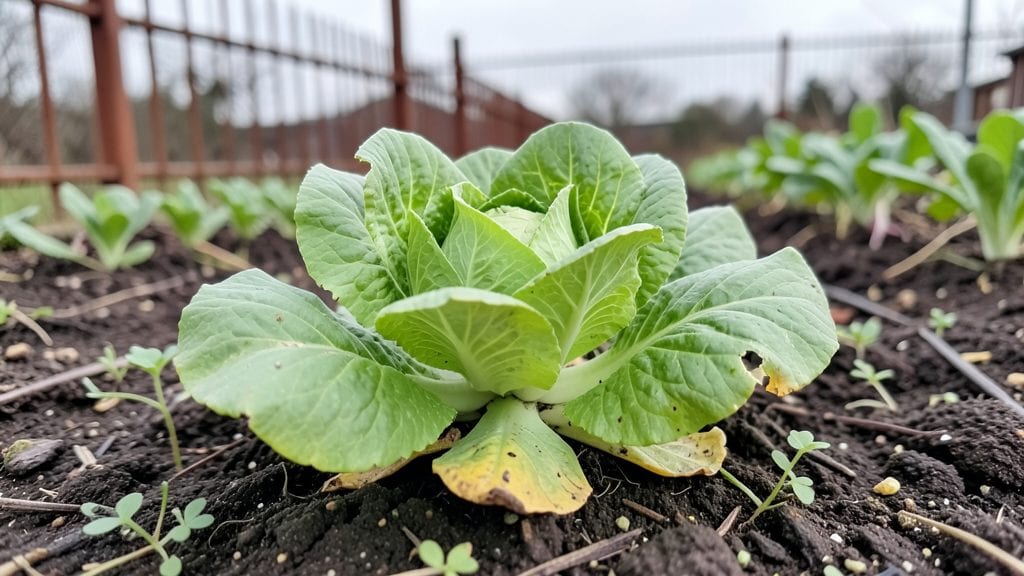
Understanding lettuce seedling stages turns a guessing game into a predictable harvest. 🌱 I’ve watched dozens of seedlings go from tiny specks to crisp heads, and the difference between thriving plants and sad, leggy ones comes down to knowing exactly what to expect at each step.
The first true leaves appear in about 10-14 days, but that’s just the beginning—what happens next determines whether your lettuce grows fast or flops.
At the cotyledon stage, those first two round leaves look like tiny shields. This is when seedlings need consistent moisture but no soggy soil—think damp sponge, not swamp. Too much water here leads to rot, while too little stunts growth.
Once the first true leaves (the jagged, darker ones) emerge, it’s time to introduce gentle light and keep temps between 60-70°F. That’s when you’ll spot the real magic: sturdy stems and vibrant color.
By the 4-6 leaf stage, your seedlings are ready for transplanting. They’ll be 2-3 inches tall, with strong roots and a compact shape. This is where most gardeners trip up—overcrowding or moving them too soon.
Hardening off (acclimating to outdoor conditions) for 5-7 days before planting ensures they’ll bounce back from transplant shock and keep growing toward that harvest-ready head in just 30-60 days.
Common pitfalls? Damping off (a fungal attack that collapses seedlings) and bolting (when heat makes lettuce go to seed too fast). The fix? Good airflow, shade cloth on hot days, and choosing bolt-resistant varieties like Romaine or Buttercrunch.
Once you recognize these stages, you’ll spot problems early and keep your lettuce growing strong from start to finish.
📚 In This Guide
- What you need
- Instructions
- Tips and common mistakes
- Wrapping up and next steps
What you need
- ● Seeds: High-quality lettuce seeds (choose varieties like Buttercrunch, Romaine, or Leaf Lettuce). Aim for 10–20 seeds per container or 1 seed per cell in seed trays.
- ● Seed Starting Containers: Biodegradable seed pots (2–3 inches deep) – 10–20 pots, or
- ● Seed trays with individual cells (for better spacing) – 1 tray (50+ cells).
- ● Growing Medium: Seed Starting Mix (sterile, lightweight, and well-draining) – 1–2 cubic feet (enough to fill containers).
- ○ Optional: Perlite or vermiculite (10–20% of the mix) for aeration.
- ● Watering Can or Spray Bottle: A fine-mist sprayer (to avoid disturbing seeds) or a small watering can with a gentle rose nozzle.
- ● Grow Lights or Sunny Window: Grow Lights: LED or fluorescent lights (12–16 hours/day) – 1–2 bulbs per 12"x12" area.
- ● Sunny Window: South-facing window with 6+ hours of direct sunlight.
- ○ Heat Mat (Optional but Helpful): For faster germination (70–75°F) – 1 mat to place under seed trays.
- ● Humidity Dome or Plastic Wrap: To retain moisture during germination – 1 dome or a sheet of plastic wrap.
- ● Fertilizer: Seedling Fertilizer (low-nitrogen, water-soluble) – 1 bottle (e.g., Fish Emulsion 2-4-2 or Seaweed Extract).
- ● Balanced Fertilizer (10-10-10 or 5-5-5) for later stages.
- ● Transplanting Supplies (After Seedlings Grow): Larger pots or garden beds (12–18 inches in diameter or rows in a garden).
- ● Garden soil or potting mix (well-draining and rich in organic matter).
- ● Space: A dedicated area (indoor or outdoor) with access to light and warmth.
- ● Time: 4–8 weeks from sprouting to transplanting, depending on variety and conditions.
- ● Patience: Lettuce seedlings are delicate—avoid overwatering or disturbing them during early stages!
- ● Pest Control (Preventative): Neem oil or insecticidal soap (for aphids or fungus gnats).
- ● Row covers (to deter pests like cabbage moths).
How to identify and care for lettuce seedling stages
Watch your lettuce transform from delicate sprouts to harvest-ready plants—each stage reveals what they truly need.
🌱 Step 1: Germination (Days 3-10)
The first true magic happens when your seeds break through the soil surface, usually within 3-10 days depending on temperature. You'll spot tiny, pale green hooks emerging from the soil—these are the radicle (root) and cotyledons (seed leaves). Keep the soil surface moist but never soggy, as excess water can suffocate these fragile sprouts.
Here's the thing—if your germination tray sits below 60°F, expect delays. Lettuce thrives when soil stays between 65-75°F. I like to place a seedling heat mat underneath the tray to speed things up. Once 50% of seeds have sprouted, remove any plastic domes immediately—trapped moisture invites damping-off, a fungal disease that collapses seedlings overnight.
🌿 Step 2: Cotyledon Stage (Days 10-14)
When the first pair of true leaves appear—round, serrated edges that look nothing like the smooth cotyledons—they've entered the cotyledon stage. These leaves are the plant's first energy source, converting sunlight into growth fuel. You'll notice the seedlings growing faster now, with stems thickening slightly.
This is the moment that matters: thin seedlings to 1 inch apart if they're crowded. I use a pair of clean scissors to snip excess seedlings at soil level, leaving the strongest one per cell. Avoid pulling—it disturbs roots and can uproot the remaining plants. If seedlings look pale or leggy, they need more light. Move them within 2-3 inches of a grow light or a south-facing window.
☀️ Step 3: True Leaf Development (Days 14-21)
Once 3-4 true leaves appear—deep green, lobed, and resembling mature lettuce—your seedlings are ready for their next growth push. At this point, they've developed a stronger root system and can handle slightly larger pots if needed. You'll see the leaves unfurl more slowly now, focusing energy on root expansion.
Here's what I do: fertilize lightly with a diluted liquid fertilizer (half-strength) to encourage leafy growth. Too much fertilizer now causes bitter leaves later. Watch for yellowing between veins—this signals overwatering or nutrient imbalance. Lettuce prefers consistent moisture, so water when the top inch of soil feels dry to the touch. Avoid wetting the leaves to prevent fungal diseases.
✂️ Step 4: Heading or Leaf Maturity (Days 21-60)
Depending on the variety, you'll see either loose-leaf types developing broader, more mature leaves or heading varieties forming a tight rosette. For loose-leaf lettuce, harvest outer leaves when they reach 3-4 inches—this encourages continuous production. Heading types will form a compact heart; harvest when the head feels firm to the touch.
Real talk: bolting (premature flowering) is the biggest threat at this stage. If your lettuce sends up a tall flower stalk, it's too hot or stressed. To prevent it, keep plants in shade cloth during peak afternoon sun and harvest regularly. For heading lettuce, earthen up the base (mound soil around the stem) to encourage a tighter head. You'll know it's ready when the head feels dense and the leaves cup inward.
Tips & tricks for perfect lettuce seedling growth
Understanding these growth stages is your secret weapon for thriving lettuce—here's how to optimize each phase.
Temperature Precision: Lettuce seeds need warmth to germinate, but don't overdo it. The ideal soil temperature range of 65-75°F is critical—below 60°F slows germination dramatically. I use a seedling heat mat set to 75°F for the first 3-5 days until sprouts emerge. Once they break through, reduce heat to maintain 65-70°F to prevent leggy growth.
Lighting Strategy: During the cotyledon stage (Days 10-14), seedlings need 12-14 hours of light daily. If using artificial lights, position them 2-3 inches above the seedlings to prevent stretching. I've found that LED grow lights with a red-blue spectrum promote faster, healthier growth than standard bulbs. Rotate your tray quarter-turn daily to ensure even light exposure.
Thinning Technique: When thinning to 1 inch apart in Step 2, use sharp scissors to snip at soil level rather than pulling. This prevents disturbing roots of remaining plants. I always thin in the morning when soil is moist—it's less stressful for the seedlings. Leave the strongest seedling per cell, identifiable by its vibrant green color and upright growth habit.
Fertilizer Timing: Wait until the true leaf development stage (Days 14-21) before fertilizing. At this point, seedlings have developed stronger roots that can handle nutrients. I use a half-strength liquid fertilizer with equal parts nitrogen, phosphorus, and potassium. Apply it to the soil (not leaves) when the top inch feels dry—overwatering at this stage causes yellowing between veins, a classic sign of nutrient imbalance.
Pro Tips for Lettuce Seedling Stages
- Understanding these growth stages is your secret weapon for thriving lettuce—here's how to optimize each phase.
- Temperature Precision: Lettuce seeds need warmth to germinate, but don't overdo it.
- Lighting Strategy: During the cotyledon stage (Days 10-14), seedlings need 12-14 hours of light daily.
Frequently asked questions
Got questions about growing lettuce seedlings?
You’re not alone! Here are answers to the most common concerns—from timing to troubleshooting—so you can nurture healthy plants from sprout to salad.
How long does it take for lettuce seedlings to germinate?
Most lettuce seeds sprout in 5–10 days under ideal conditions (warm soil, consistent moisture, and indirect light). Loose-leaf varieties often germinate faster (5–7 days), while romaine or head lettuce may take up to 14 days. Keep soil moist but not soggy to avoid mold.
When should I transplant lettuce seedlings outdoors?
Transplant seedlings once they’ve developed 2–3 true leaves (not just the initial seed leaves) and are about 2–3 inches tall. Wait until nighttime temps stay above 50°F (10°C)—lettuce is frost-tolerant but prefers cooler weather (60–75°F or 15–24°C). Harden off seedlings for 5–7 days first!
Why are my lettuce seedlings turning yellow or wilted?
Yellowing leaves often signal overwatering, nutrient deficiency, or pests. Check the soil—it should be damp but not waterlogged. Nitrogen deficiency (pale yellow leaves) can be fixed with compost or balanced fertilizer. For wilting, ensure good drainage and watch for aphids (tiny green bugs) on undersides of leaves.
Can I grow lettuce from store-bought lettuce?
Technically yes, but it’s not recommended for seedlings. Store-bought lettuce is often treated with growth inhibitors or pesticides. If you try, rinse the outer leaves, let the core dry, and place it in water or moist soil. Success rates are low—start with seeds for reliable growth!
What’s the best temperature for lettuce seedling growth?
Lettuce thrives in cool weather:
- Germination: 60–75°F (15–24°C)
- Seedling stage: 55–65°F (13–18°C)
- Mature plants: Up to 75°F (24°C), but bolts (goes to seed) in heat over 80°F (27°C). Use shade cloth in summer!
Pro Tip:
For faster germination, soak seeds in water for 4–6 hours before planting. Use a seedling heat mat (set to 70°F/21°C) if your home runs cold. And remember: patience is key—lettuce grows best when you don’t rush it!
Wrapping up and next steps
Understanding lettuce seedling stages empowers you to nurture healthy, thriving plants from the very first sprout to harvest. Each phase—from germination to maturity—requires attention to light, water, and care, but the rewards are delicious and satisfying!
Whether you're a beginner or a seasoned gardener, your green thumb is growing stronger with every seed planted. 🌱
Ready to take the next step? Experiment with different varieties or try growing lettuce indoors under grow lights. Share your progress or ask questions in gardening communities—every expert started somewhere!