
Trees
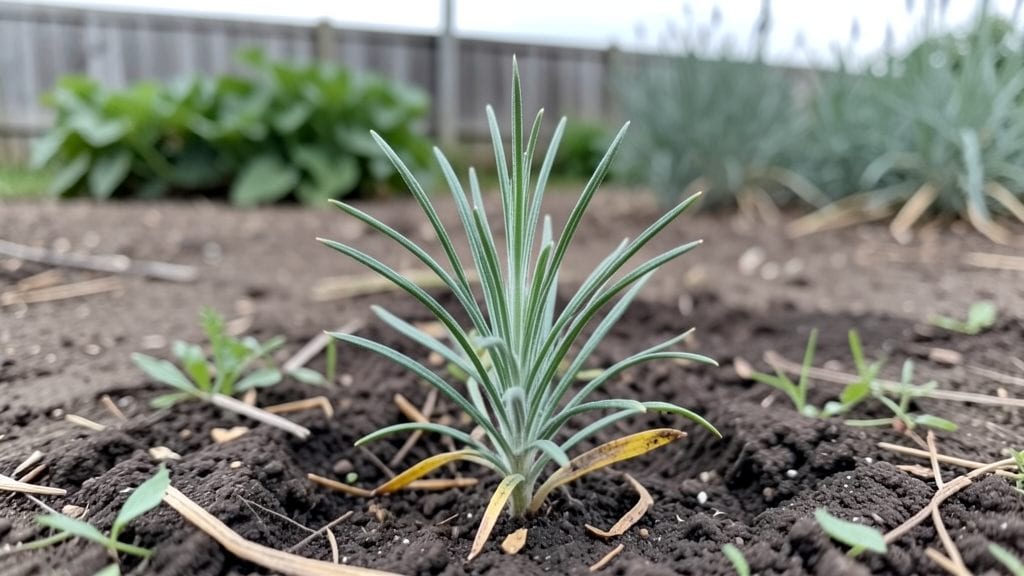
The identification of a liatris seedling early saves you from transplanting the wrong plant and wasting precious garden space—look for their narrow, grass-like leaves, thin as blades of glass and arranged in a tight spiral around the stem. a miniature corn plant.
If you’ve ever confused them with wild onions or ornamental grasses, you’re not alone; the trick is noticing how the leaves grow directly from the base in a rosette pattern.
Mature liatris plants develop their iconic purple cone-shaped blooms, but seedlings don’t show those for years. Instead, focus on the leaf texture: they’re slightly fuzzy or hairy along the edges, almost silvery under bright light.
This fuzzy detail is your secret weapon—most look-alikes like yarrow or blue-eyed grass have smooth, waxy leaves. Grab a magnifying glass if you’re unsure; the hairs are subtle but unmistakable once you know what to look for.
Once you spot these fuzzy, spiral-leaved seedlings, you’ll want to transplant them carefully. They’re tender when young, so use a small trowel to lift them with as much root as possible.
Place them in well-draining soil with full sun—just like their adult counterparts—and watch them grow into those striking purple spikes by next summer. The payoff? A garden that hums with pollinators and stands out in late-season color.
This guide covers everything from leaf shape to growth habits, so you’ll never mistake a liatris seedling again. Whether you’re clearing a wild patch or starting from seed, these tips ensure you’re nurturing the right plants from day one. Let’s get those purple cones growing!
Mistakes That Confuse Seedlings
Identifying young Liatris seedlings can be tricky, especially when they resemble other plants or struggle to thrive. Misidentification often stems from common growing mistakes, environmental factors, or even human error. Understanding these causes helps gardeners spot and correct issues early—before seedlings fade away or get mistaken for weeds.
Let’s break down the most frequent reasons why Liatris seedlings are hard to recognize or misidentified.
Seedlings may fail to develop distinct features—or even sprout at all—if their early growing conditions are off. Liatris seeds require specific triggers to break dormancy, and without them, seedlings can emerge weak, stunted, or entirely absent.
- Insufficient Cold Treatment: Liatris seeds often need a period of cold stratification (4–8 weeks at 33–41°F) to mimic winter conditions. Without this, seeds may not germinate, leaving you with no seedlings to identify. Pro tip: Place seeds in a sealed bag with damp sand and refrigerate before planting.
- Wrong Soil Moisture: Too much water can drown seeds, while too little prevents them from swelling and sprouting. Liatris seeds need consistently moist (but not soggy) soil during germination. A moisture meter or the "squeeze test" (soil should hold shape but not be sticky) helps gauge ideal conditions.
- Improper Light Exposure: Seeds buried too deep (over ¼ inch) may not receive enough light to germinate. Liatris seedlings need bright, indirect light post-sprouting. If grown indoors, use a grow light 6–8 inches above the tray to prevent leggy, weak seedlings.
Seedlings can get lost in the shuffle when surrounded by faster-growing weeds or other plants. Liatris starts are delicate and may be outcompeted before they develop their signature rosette shape or purple-tinged leaves.
- Weed Overgrowth: Weeds like crabgrass or chickweed can smother Liatris seedlings, blocking sunlight and nutrients. Action step: Use a fine mesh row cover or mulch lightly with straw to suppress weeds without harming tiny sprouts.
- Overcrowding: Planting seeds too closely together leads to competition for resources. Liatris seedlings need at least 6–12 inches of space to mature. Thin seedlings to the strongest 2–3 per cluster once they have 2–3 true leaves.
- Mistaken for Other Species: Young Liatris can resemble Echinacea (purple coneflower) or Rudbeckia (black-eyed Susan) seedlings. Look for Liatris’s narrow, grass-like leaves and basal rosette—features these plants lack. Pro tip: Snap a photo and compare with a seedling ID chart.
Pests and pathogens can alter a seedling’s appearance, making identification difficult. Damaged or diseased seedlings may develop unusual spots, stunted growth, or deformities that mimic other issues.
- Slugs and Snails: These pests leave irregular holes or chewed edges on young leaves, making seedlings look unhealthy or deformed. Solution: Set up beer traps or apply diatomaceous earth around seedling trays at night.
- Fungal Infections: Overwatering or poor airflow can lead to powdery mildew or damping-off (a fungal rot at the stem base). Affected seedlings may collapse or develop fuzzy white growth. Prevent it: Water at the soil level, not overhead, and ensure trays have drainage holes.
- Insect Damage: Aphids or spider mites suck sap from leaves, causing curling or yellowing. Use a strong spray of water to dislodge pests or apply neem oil as a natural deterrent.
Extreme temperatures, improper humidity, or nutrient deficiencies can stunt growth and distort a seedling’s appearance, making it harder to recognize.
- Temperature Fluctuations: Liatris seedlings prefer consistent temperatures between 60–75°F. Cold snaps or heatwaves can shock them, leading to yellowing or wilting. Use a heat mat in cool climates or shade cloth in hot ones to stabilize conditions.
- Low Humidity: Dry air causes seedlings to develop crispy leaf edges or slow growth. Increase humidity by placing trays on a bed of damp pebbles or using a humidity dome until seedlings are established.
- Nutrient Deficiencies: Pale or yellow leaves may signal a lack of nitrogen, while weak stems could indicate phosphorus or potassium deficiency. Use a balanced, water-soluble fertilizer (diluted to half strength) once seedlings have their first true leaves.
By addressing these common issues, you’ll give your Liatris seedlings the best chance to grow into healthy, identifiable plants. Early intervention—whether it’s adjusting moisture, thinning seedlings, or treating pests—makes all the difference! 🌱
Quick Fixes for Liatris Seedling Struggles
Identifying liatris seedlings is just the first step—keeping them thriving requires troubleshooting common issues with practical, garden-friendly solutions. Whether your seedlings look weak, stunted, or misidentified, these fixes will help you nurture healthy purple coneflower starters.
Below, we’ve mapped out the most frequent problems and their solutions, complete with prevention tips to avoid future headaches.
Cause: Seedlings planted too close compete for sunlight, water, and nutrients, leading to leggy growth or yellowing leaves. Fix: 🔥 Thin seedlings early—Once the first true leaves appear (about 3–4 weeks after germination), use clean scissors or your fingers to snip or gently pull out weaker seedlings, leaving the strongest ones spaced 6–12 inches apart. This mimics their natural habitat, where they grow in open meadows. 🍳 Divide and replant—If thinning isn’t an option, carefully transplant some seedlings to a new spot in your garden. Water them well afterward to reduce shock. 👨🍳 Mulch lightly—Apply a thin layer (1–2 inches) of organic mulch (like straw or shredded leaves) around the base to retain moisture and suppress weeds without smothering the seedlings.
Prevention Tips: ✨ Start with the right density—When sowing seeds, space them ¼–½ inch apart in rows 12 inches apart to avoid overcrowding from the get-go. 🌡️ Monitor growth weekly—Check for signs of competition (e.g., elongated stems, pale leaves) and thin before issues escalate.
Cause: Weak, stretched-out stems or pale leaves signal a lack of sunlight, often due to shade from taller plants or indoor growing conditions. Fix: 🔥 Move to full sun—Liatris seedlings crave 6–8 hours of direct sunlight daily. Gradually acclimate them to outdoor conditions by placing them in a bright, sheltered spot for a few hours before transitioning to full sun. 🍳 Use a grow light—If starting indoors, position a full-spectrum LED grow light 6–12 inches above seedlings for 12–14 hours daily. Adjust the height as they grow to prevent burning. 👨🍳 Rotate seedlings weekly—Turn pots or trays 180 degrees to ensure even light exposure and prevent leaning toward one side.
Prevention Tips: 💡 Choose the right location—Plant seedlings in a spot with no afternoon shade (liatris thrives in hot, sunny conditions). ✨ Avoid overcrowding early—Thin seedlings promptly to reduce competition for light.
Cause: Overwatering or underwatering can stress seedlings, leading to mushy stems (rot) or crispy edges (drought). Fix: 🔥 Water at the base—Use a gentle spray or watering can with a narrow spout to soak the soil 1–2 inches deep, avoiding the leaves to prevent fungal diseases. 🍳 Adjust frequency—Water every 2–3 days in warm weather, but check soil moisture first. Stick your finger 1 inch deep—if it’s dry, water; if damp, wait. 👨🍳 Improve drainage—Ensure pots or garden beds have holes for drainage and use a well-draining soil mix (e.g., 60% potting soil + 30% perlite + 10% compost).
Prevention Tips: 🌡️ Use moisture meters—For high-stakes seedlings, a soil moisture meter can help you avoid guesswork. 🎯 Water in the morning—This reduces evaporation and gives seedlings time to dry slightly before nighttime humidity sets in.
Cause: Aphids, spider mites, or fungal issues (like powdery mildew) can weaken seedlings if left unchecked. Fix: 🔥 Spot-treat pests—For aphids or mites, spray seedlings with a soapy water solution (1 tsp mild dish soap + 1 quart water) or introduce beneficial insects like ladybugs. 🍳 Fungal defense—If you see white powdery spots (mildew), apply a baking soda spray (1 tsp baking soda + 1 quart water + a drop of dish soap) every 7–10 days. 👨🍳 Quarantine new plants—If pests or diseases appear, isolate affected seedlings and treat them separately to prevent spread.
Prevention Tips: 💡 Inspect regularly—Check seedlings under leaves and stems for early signs of pests or disease. ✨ Encourage airflow—Space seedlings properly and avoid overhead watering to reduce humidity-related fungal risks.
Cause: Confusing liatris with other wildflowers (like coneflowers or asters) can lead to poor growth or wasted effort. Fix: 🔥 Compare leaf shapes—Liatris seedlings have long, grass-like leaves with parallel veins, while coneflowers (Echinacea) have broader, lobed leaves. 🍳 Check the base—True liatris seedlings emerge with a single, slender leaf before forming the classic rosette. If yours look bushier, double-check with a plant ID app or local nursery. 👨🍳 Consult a guide—Use a field guide or online database (like iNaturalist) to cross-reference leaf structure, growth habit, and seed head shape.
Prevention Tips: 🌡️ Buy certified seeds—Purchase liatris seeds from reputable suppliers to ensure accuracy. 🎯 Start with a small batch—If unsure, test a few seedlings before committing to a large garden bed.
Pro Tip: Keep a seedling journal! Note the date planted, thinning date, watering schedule, and any issues you encounter. This helps you refine your approach for next season. 🌱📝
Frequently asked questions
How do I tell if a tiny sprout is a liatris seedling?
Look for single, slender leaves emerging from the soil in a tight spiral—like a miniature corn plant. True liatris seedlings have parallel veins and a slightly fuzzy texture along the edges. If the leaves are broader or lobed, it’s likely a different wildflower like coneflower or aster.
Why do my liatris seedlings look like grass?
That’s normal! Liatris seedlings resemble grass because they have narrow, grass-like leaves that grow directly from the base in a rosette pattern. The key difference is their hairy or fuzzy edges—use a magnifying glass to spot this detail if you’re unsure. Mature liatris will develop their iconic purple spikes, but seedlings focus on leaf structure.
Can I transplant liatris seedlings too soon?
Yes, but wait until they have 2–3 true leaves and are at least 2–3 inches tall. Handle them gently—liatris seedlings have delicate roots. Water thoroughly before and after transplanting to reduce shock, and place them in well-draining soil with full sun to mimic their natural habitat.
What if my liatris seedlings aren’t growing?
Check for three common issues: insufficient cold stratification (try refrigerating seeds for 4–8 weeks before planting), poor drainage (use a sandy soil mix), or lack of light (place seedlings in bright, indirect light or under a grow light). If they’re still dormant, they may need more time—liatris seeds can take 2–4 weeks to germinate.
How do I keep liatris seedlings from getting crowded?
Thin seedlings early—once they have 2–3 true leaves, remove weaker ones to leave 6–12 inches between plants. Overcrowding leads to leggy growth and competition for nutrients. If you’re growing in trays, transplant to individual pots once they’re 3–4 inches tall to give them space to thrive.