Lawn
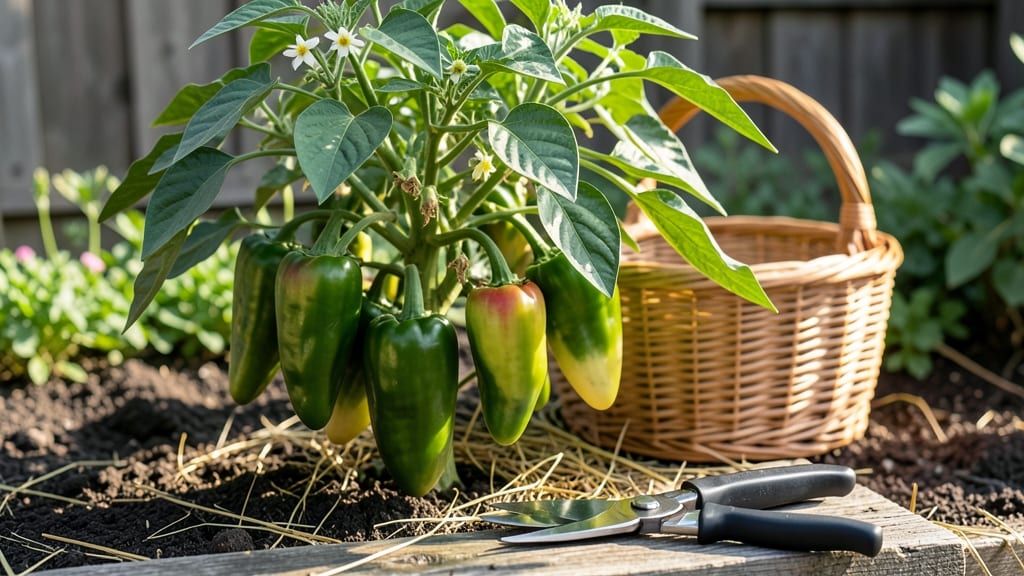
Growing mammoth jalapeño seeds unlocks peppers so massive they look like they belong in a cartoon. 🌱 The first time I saw one stretch to 12 inches long, I nearly dropped it—it was like holding a giant green banana.
These aren’t your average chiles; they’re the showstoppers of the garden, packing serious heat despite their size.
You’ll need a warm spot (70°F+), moist seed-starting mix, and patience—these babies take 90+ days to mature. Containers work great if space is tight, but in-ground plants produce even bigger yields. The key is consistent moisture without soggy soil and a balanced fertilizer to fuel that rapid growth.
I’ve killed seedlings before by overwatering, so start with a spray bottle and upgrade to gentle watering as they grow.
By midsummer, you’ll be harvesting peppers that make your neighbors do a double take. The flavor? A perfect balance of smoky, fruity heat that’s ideal for salsas, pickling, or just slicing onto burgers. Plus, the vines keep producing all season if you stay on top of pruning and pest control.
Here’s how to avoid the most common pitfalls—like blossom end rot or stunted growth—so your plants hit their full potential.
Whether you’re growing in pots on a balcony or clearing a sunny patch in the yard, these peppers adapt well. The real magic happens when you see that first giant pepper forming—it’s a gardener’s flex moment.
Let’s get those seeds started right so you’re not left with sad little chiles when summer arrives.
📚 In This Guide
- What you need
- Instructions
- Tips and common mistakes
- Wrapping up and next steps
What you need
- ● Mammoth Jalapeño seeds – 3–5 seeds (or more, if you’re ambitious!)
- ● Seed-starting mix – 1–2 quarts (sterile, peat-based or coco coir blend)
- ● Seed trays or small pots – 3–5 (3–4" deep, with drainage holes)
- ● Grow lights or sunny windowsill – For 12–16 hours of light daily (LED grow lights work best)
- ● Spray bottle – For gentle watering
- ● Plant labels & marker – To track growth stages
- ● Fertilizer – Balanced liquid fertilizer (5-5-5 or 10-10-10, diluted to half-strength)
- ● Transplant pots or garden space – 1–2 gallon containers or well-draining garden bed (after last frost)
- ○ Pruning shears or scissors – For shaping plants (optional but helpful)
- ● Heat mat – Speeds up germination (70–85°F ideal)
- ● Humidity dome or plastic wrap – Keeps seedlings cozy
- ● Cage or stakes – Supports heavy pepper growth (4–6 ft tall)
- ● pH testing kit – Ensures soil is slightly acidic (6.0–6.8)
- ● Organic mulch – Retains moisture (straw or shredded leaves)
Step-by-Step instructions for growing mammoth Jalapeños from seed
Here’s how I grow these massive peppers—no fancy equipment, just patience and the right timing.
🌱 Step 1: Start Seeds Indoors for Early Growth
Fill a seed tray with 2-3 inches of moistened seed-starting mix (never garden soil—it’s too dense). Scatter 4-5 Mammoth Jalapeño seeds per cell, pressing them ¼ inch deep into the soil. Cover lightly with a sprinkle of mix, then mist gently with water until the surface looks damp but not soggy.
Place the tray in a warm spot (75-85°F)—a seedling heat mat works wonders if you have one. Cover with a humidity dome or plastic wrap to trap warmth and moisture. You’ll see sprouts in 7-14 days, but don’t rush to remove the cover until 50% of seeds have germinated. This prevents damping-off, a fungal disease that collapses seedlings overnight.
☀️ Step 2: Provide Bright Light and Prevent Leggy Growth
The moment those first leaves appear, move the seedlings under 14-16 hours of grow light daily. A south-facing window won’t cut it—peppers stretch toward light like sunbathing teens. I use a full-spectrum LED grow light just 2-4 inches above the plants, raising it as they grow to keep the gap consistent.
Strong seedlings have thick stems and dark green leaves spaced closely together. If stems look thin and pale with leaves far apart, your light is too weak or distant. Rotate the tray a quarter turn every few days so plants grow straight, not lopsided.
🪴 Step 3: Transplant After True Leaves Form
When seedlings have 3-4 true leaves (ignore the first tiny cotyledons—they’re not real leaves), it’s time to transplant. Fill 5-inch pots with potting mix and dig a hole twice as wide as the root ball but no deeper. Gently remove the seedling, loosen the roots if they’re circling, and place it in the hole, firming soil around the base.
Water deeply until it drains from the bottom, then let the top inch dry before watering again. Harden off the seedlings by placing them outside in partial shade for 1-2 hours the first day, gradually increasing time over 10-14 days. This toughens them up for the garden—skipping this step burns leaves and stunts growth.
✂️ Step 4: Plant Outdoors After Last Frost
Choose a spot with full sun (6+ hours daily) and well-draining soil. Dig holes 12-18 inches apart—Mammoth Jalapeños need space to grow their massive fruit. Mix 1 cup compost into the bottom of each hole, then place the seedling in, ensuring the soil line matches the pot’s level. Fill with soil, tamp gently, and water deeply.
Mulch with 2-3 inches of straw or shredded leaves to retain moisture and suppress weeds. You’ll see new growth within a week—that’s your signal everything’s working. Pinch off the first flowers if your plants look leggy; they’ll focus on foliage first, then reward you with giant peppers later in the season.
💧 Step 5: Maintain Moisture and Fertility
Water 1-2 inches per week, keeping soil consistently moist but not soggy. Mammoth Jalapeños love water but hate wet feet—aim for drip irrigation or soaker hoses to deliver moisture at the base. Fertilize every 4-6 weeks with a balanced organic fertilizer (like 5-5-5) to fuel their rapid growth.
Harvest when peppers reach 6-8 inches long and turn deep green or red, depending on your variety. Wear gloves—these babies pack heat! Use pruning shears to cut the stem, leaving a ¼ inch above the next branch. This encourages more fruit to form and keeps plants bushy.
Tips & tricks for growing giant mammoth Jalapeños
Growing these massive peppers from seed requires patience and precision—here are my battle-tested tips to help you avoid common pitfalls and maximize your harvest.
Germination Conditions: The 75-85°F temperature range in Step 1 is critical for consistent germination. If your home runs cooler, place the seed tray on top of your fridge or use a seedling heat mat. I’ve seen germination rates drop dramatically when seeds are kept below 70°F—they simply won’t sprout reliably. Keep that humidity dome on until 50% germination to prevent damping-off, which can wipe out your entire tray overnight.
Lighting Strategy: Those 14-16 hours of grow light in Step 2 aren’t just a suggestion—they’re non-negotiable for preventing leggy seedlings. I use a timer to automate this so I don’t forget. If you notice stems stretching toward the light with pale leaves, you’re too far away—move that LED grow light closer. And remember: rotate your tray every few days to prevent plants from growing lopsided toward the light source.
Transplanting Technique: When transplanting in Step 3, pay special attention to the root ball. If you see roots circling tightly, gently tease them apart with your fingers before planting. This prevents root binding, which can stunt growth. Also, water deeply after transplanting but let the top inch dry before watering again—this prevents waterlogged soil that can cause root rot.
Outdoor Preparation: Before planting outdoors in Step 4, test your soil’s drainage by digging a hole and filling it with water. If it doesn’t drain within 30 minutes, amend with compost or sand. The 12-18 inch spacing is crucial—crowded plants compete for nutrients and light, resulting in smaller peppers. And that mulch layer? It’s not just for looks—it keeps soil moisture consistent and suppresses weeds that can steal nutrients from your mammoths.
Pro Tips for Mammoth Jalapeno Seed
- Growing these massive peppers from seed requires patience and precision—here are my battle-tested tips to help you avoid common pitfalls and maximize your harvest.
- Germination Conditions: The 75-85°F temperature range in Step 1 is critical for consistent germination.
- Lighting Strategy: Those 14-16 hours of grow light in Step 2 aren’t just a suggestion—they’re non-negotiable for preventing leggy seedlings.
Frequently asked questions
Got questions about growing Mammoth Jalapeño seeds? You’re not alone! Here are answers to the most common queries—from germination to harvest—so you can grow these giant peppers with confidence.
How long does it take for Mammoth Jalapeño seeds to germinate?
Most seeds sprout within 7–14 days in warm, moist conditions (70–85°F). Keep them in a seed-starting tray with a heat mat for faster results. If nothing sprouts after 3 weeks, try fresh seeds—old or stored seeds may lose viability. Pro tip: Soak seeds in warm water for 24 hours before planting to kickstart germination!
When should I transplant Mammoth Jalapeño seedlings outdoors?
Wait until nighttime temperatures stay above 50°F (usually after the last frost). Harden off seedlings by placing them outside for a few hours daily, increasing time gradually. Transplant in full sun with well-draining soil—these peppers need space (18–24 inches apart) and thrive in warm climates. Troubleshooting: If leaves yellow, check for overwatering or poor drainage.
Why aren’t my Mammoth Jalapeños growing as big as expected?
Giant peppers need consistent care! Common culprits:
- Insufficient sunlight: Move plants to a sunnier spot (6+ hours daily).
- Nutrient deficiency: Feed with a balanced fertilizer (like 10-10-10) every 3–4 weeks.
- Overcrowding: Thin plants to 18–24 inches apart for airflow and growth.
- Pests/disease: Watch for aphids or fungal spots; use neem oil or copper spray if needed.
Can I save seeds from Mammoth Jalapeños to replant next year?
Yes! Let a few peppers fully ripen (turn red) on the plant, then scoop out seeds, rinse, and dry them on a paper towel for 3–5 days. Store in a cool, dark place (like a sealed jar) for up to 2 years. Note: Heat levels may vary slightly from the parent plant, but you’ll likely get similar giants.
What’s a good alternative if Mammoth Jalapeños don’t thrive in my climate?
Try these heat-tolerant, large-fruited peppers:
- Big Jim Pepper: Huge, sweet, and cold-hardy.
- NuMex Big Jim: Disease-resistant and prolific.
- Beaver Dam Pepper: Mild, giant, and great for pickling.
Wrapping up and next steps
Growing mammoth jalapeño seeds into towering, fiery peppers is a rewarding journey that blends patience, passion, and a little green thumb magic! Whether you’re chasing the thrill of a giant harvest or simply love the heat, these seeds deliver big flavors and bigger surprises.
Now that you’re armed with the right tools, tips, and troubleshooting tricks, it’s time to roll up your sleeves and plant those seeds with confidence.
Ready to take the next step? Start small—whether it’s a single pot or a full garden plot—and let your mammoth jalapeños thrive. Share your progress, experiment with recipes, or even gift your harvest to fellow pepper enthusiasts. Happy growing—your kitchen (and taste buds) will thank you! 🌱🔥