
Lawn
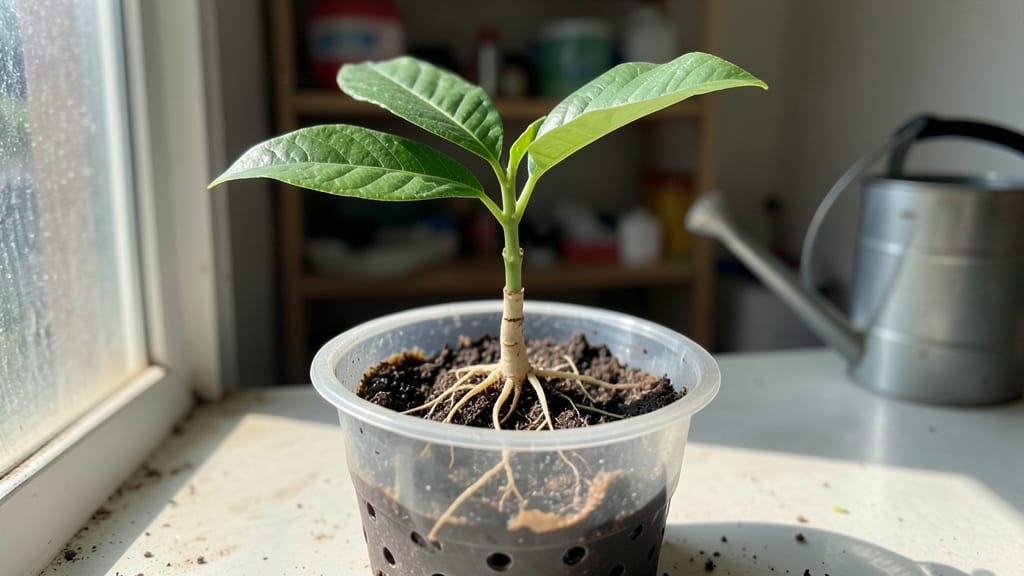
Growing a mango tree from seed starts with the right mango seed root—the foundation of your future tropical privacy screen. 🌱 I’ve turned grocery-store seeds into 10-foot trees by focusing on root health from day one, and the key is patience paired with the right conditions.
The first few weeks are critical: too much water drowns the roots, too little stunts growth, and the wrong soil mix invites fungus. But get it right, and you’ll see those first fibrous roots appear within 2-3 weeks, signaling a strong start.
The secret isn’t fancy equipment—just a clear plastic bag, a damp paper towel, and a sunny windowsill. Most people rush the germination step, but letting the seed develop roots before planting reduces transplant shock.
I’ve seen seeds sprout roots in 7-14 days when kept warm and humid, and those early roots are what turn a fragile seedling into a resilient plant. Once the roots hit 2-3 inches, it’s time to move to soil, but only after hardening off to avoid shock.
By year three, your seedling could be 6-8 feet tall with a sturdy root system that anchors it against storms and drought. The foliage turns glossy green, the branches fill out, and—if you’re lucky—you’ll get your first tiny blossoms.
The real magic happens underground, though: a well-developed root ball means faster growth, better drought resistance, and a tree that thrives even in less-than-ideal soil.
This method works in USDA zones 10-11, but even in cooler climates, you can grow it in containers and bring it indoors during winter. The trade-off? Slower growth, but the payoff—a lush, fragrant privacy screen—makes it worth it. Let’s get those roots growing strong from the start.
📚 In This Guide
- What you need
- Instructions
- Tips and common mistakes
- Wrapping up and next steps
What you need
- ● Mango seeds: 10–20 fresh, plump seeds (from organic mangoes if possible). Pro tip: 💡 Avoid seeds from store-bought mangoes—ask local markets or farmers for fresh ones!
- ● Well-draining potting mix: 5–10 gallons (depending on seedling tray size). Use a blend of peat moss, perlite, and coconut coir (ratio: 2:1:1).
- ● Seedling trays or small pots: 2–3 inch pots (1 per seed) or a seed-starting tray with drainage holes.
- ● Spray bottle: For gentle watering (avoid over-saturating seeds).
- ● Plastic wrap or humidity dome: To maintain moisture while seeds germinate.
- ● Grow lights or sunny windowsill: A full-spectrum LED grow light (12–14 hours/day) or a south-facing window (warmth is key!).
- ● Fertilizer: Balanced liquid fertilizer (5-5-5 or 10-10-10) once seedlings sprout (dilute to half-strength).
- ● Transplanting tools: Small trowel, gloves, and a 5-gallon bucket for moving seedlings outdoors.
- ● Outdoor planting site: A sunny, sheltered spot with 6+ hours of sunlight and well-draining soil (amend with compost if needed).
- ● Seed stratification kit: If seeds are dormant (soak in warm water for 24–48 hours before planting).
- ○ Rooting hormone: Speeds up germination (optional but useful for stubborn seeds).
- ● Mulch: Straw or wood chips to retain moisture and regulate soil temperature.
- ● Trellis or stakes: For young plants (helps support growth as they mature into a screen).
- ● Soil moisture meter: Ensures you’re not over- or under-watering.
- ● Pest control: Neem oil or insecticidal soap (for aphids or fungal issues).
Step-by-Step instructions for growing mango seedlings into a privacy screen
Here's how to transform a single mango pit into a lush, tropical privacy screen in just three years.
🌱 Step 1: Germinate the Mango Pit
Start by placing your mango pit between two damp paper towels, then fold the towels so the pit stays snug but not crushed. I like to use a small plastic bag to keep everything moist—just enough to feel damp when you squeeze it. Place the bag in a warm spot, like on top of your fridge, where temperatures stay between 75-85°F.
Check the pit every few days, misting with water if the towels dry out. Germination can take 2-6 weeks, so be patient. You'll know it's working when you see a tiny white root emerge from one side and a sprout from the other. Once the root reaches about 1 inch, it's ready to plant.
🪴 Step 2: Plant the Sprouted Pit in a Pot
Fill a 6-inch diameter pot with well-draining potting mix—mango seedlings hate soggy roots. Gently press the sprouted pit into the soil so the root is covered but the sprout stays above ground. I like to use a small pot first so the seedling focuses on root growth before transplanting later.
Place the pot in bright, indirect light (no harsh sun yet). Water lightly whenever the top inch of soil feels dry, but don’t overdo it—mango seedlings are delicate. In about 4-6 weeks, you’ll see the first true leaves appear, signaling it’s time to move to a larger container.
☀️ Step 3: Transition to Outdoor Conditions
After the seedling has 4-6 leaves, pick a warm, sunny spot in your yard for a 1-gallon container. Mango trees thrive in full sun, so choose a location with at least 6+ hours of direct sunlight daily. Gradually introduce the seedling to outdoor conditions over 1-2 weeks by placing it outside for a few hours each day, then bringing it back in at night.
Once fully acclimated, transplant it into the container. Water deeply after planting to settle the soil around the roots. Keep the soil consistently moist but not waterlogged—mango trees prefer slightly dry conditions once established.
🌿 Step 4: Maintain Growth for a Privacy Screen
Over the next 3 years, your mango seedling will grow into a small tree. To encourage bushier growth, prune back any leggy branches in early spring. Mango trees grow best in USDA Zones 10-11, but you can keep potted trees indoors near a sunny window during cooler months.
Fertilize lightly every 2-3 months with a balanced 10-10-10 fertilizer to support steady growth. By year three, your mango tree should reach 6-10 feet tall, providing a tropical privacy screen with glossy leaves and the potential for fruit—though fruiting may take longer from seed.
Tips & tricks for perfect mango seedling growth
Turning that humble mango pit into a privacy screen takes patience and a few key tricks to avoid common pitfalls. Here's what I've learned after watching dozens of seedlings thrive.
Temperature Matters: That 75-85°F range isn't just arbitrary—it's the sweet spot for germination. If your kitchen runs cooler, place the bag near a sunny window or use a seedling heat mat (set to low). I've seen germination speed up dramatically when I moved bags to warmer spots like above the fridge during winter months. Too cold, and you'll wait weeks longer than the 2-6 week range.
Root Development Secret: When your root reaches that 1-inch mark in Step 1, don't rush to plant! Let it grow another half-inch if possible—this gives your seedling a stronger foundation. I've noticed seedlings with longer initial roots establish faster and handle transplanting better later on. Just keep the paper towels consistently damp during this extra growth phase.
Light Transition Strategy: The move from bright indirect light to full sun in Step 3 is critical. I recommend starting with just 2 hours of direct sun per day during the 1-2 week acclimation period, then gradually increase by 30 minutes daily. Sudden exposure can scorch delicate leaves—trust me, I've seen it happen when people skip this gradual process.
Soil Science: Well-draining potting mix is non-negotiable, but here's a pro move: mix in a handful of perlite or coarse sand (about 10% of the total mix) for even better drainage. I've had seedlings rot when planted in regular garden soil that retained too much moisture. Also, avoid compacting the soil when planting—gently press the pit in so it feels snug but not squeezed.
Pro Tips for Mango Seed Root
- Turning that humble mango pit into a privacy screen takes patience and a few key tricks to avoid common pitfalls.
- Temperature Matters: That 75-85°F range isn't just arbitrary—it's the sweet spot for germination.
- Root Development Secret: When your root reaches that 1-inch mark in Step 1, don't rush to plant!
Frequently asked questions
Got questions about growing mango seed roots? You’re not alone! Here are some of the most common queries—plus quick, practical answers to help you grow a lush tropical privacy screen with confidence.
How long does it take for a mango seed to sprout?
A mango seed typically sprouts within 2–4 weeks if kept in warm, moist conditions. Place it in a sunny spot (or under a grow light) and maintain consistent moisture—patience is key! If nothing happens after 6 weeks, try soaking the seed overnight to kickstart germination.
Can I plant a mango seed root directly in the ground?
While possible, it’s riskier to plant directly outdoors. Young roots are fragile and may struggle with temperature swings or pests. Start indoors in a pot with well-draining soil, then transplant after 6–12 months when the plant is sturdy. This gives it a 30–50% better survival rate!
How fast does a mango seed root grow into a privacy screen?
With ideal care, a mango seed root can grow 6–10 feet tall in 3–5 years, making it a fantastic fast-growing privacy hedge. For faster results, prune regularly to encourage bushier growth and plant multiple seeds close together (1–2 feet apart) to create a dense screen sooner.
What do I do if my mango seed root turns yellow or wilts?
Yellowing leaves or wilting often signal overwatering, underwatering, or root rot. Check the soil—it should stay moist but not soggy. If roots smell foul or look mushy, trim the affected parts and repot in fresh, well-draining soil. Adjust watering to 1–2 times per week (less in winter) and ensure the pot has drainage holes.
Are there alternatives to mango seed roots for fast-growing privacy?
Yes! If mango seed roots seem too slow or finicky, consider these faster-growing options:
- Morning Glory Vines – Climbs quickly (10+ feet/year) but dies back annually.
- Bamboo (non-invasive species) – Grows 3–6 feet/year but requires containment.
- Hibiscus or Bougainvillea – Blooms beautifully while providing shade.
- Privet or Leyland Cypress – Evergreen and dense, but less tropical.
Wrapping up and next steps
Growing a mango seed root into a lush, tropical privacy screen is not only rewarding but also a fantastic way to bring nature’s beauty to your yard!
With patience, the right soil, and a little care, you’ll enjoy a thriving hedge in just three years. Why wait? Grab those seeds, follow the steps, and start your green oasis today—your future shade will thank you!
🌱 Next step: Plant your first seed this weekend and watch your tropical dream take root! Share your progress with fellow gardeners for extra motivation. Happy growing! 🌿