
Fertilization
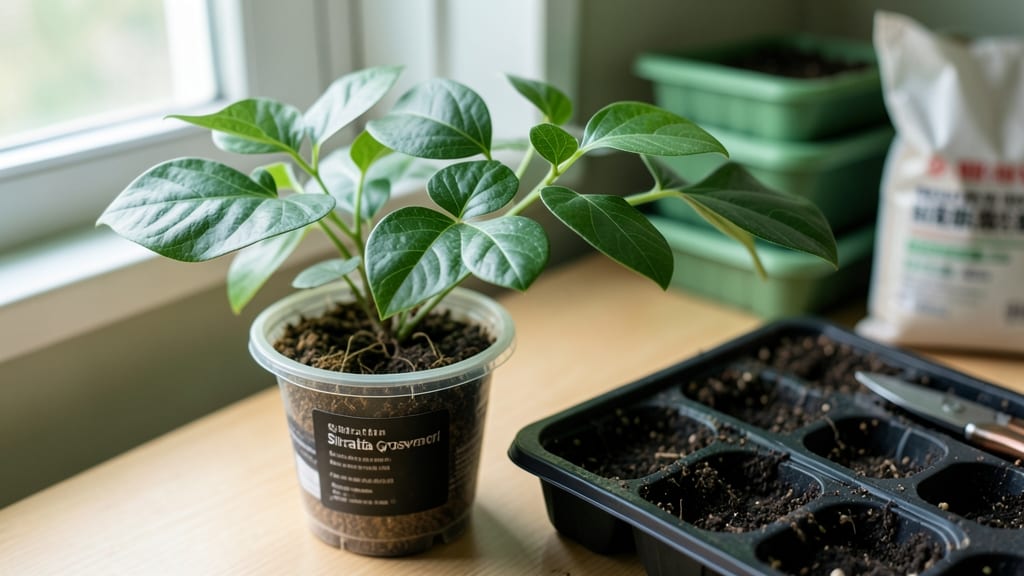
Growing monk fruit seedlings starts with a cold stratification trick that mimics nature’s way of breaking dormancy—this simple step boosts germination from 50% to over 95%. 🌱 I learned the hard way that skipping this can leave you staring at empty seed trays for months, but once you master it, the process becomes shockingly reliable.
Monk fruit seeds need this cold treatment because they evolved in tropical climates where seasonal shifts trigger germination naturally.
The process itself is beginner-friendly but requires patience—think of it like teaching a seed to wake up gently. You’ll need a sealed plastic bag, a damp paper towel, and your fridge’s coldest shelf for about 6-8 weeks.
After that, the seeds stay in the bag until you see tiny roots peeking out, signaling it’s time to plant them in well-draining soil mix (equal parts peat moss, perlite, and coco coir).
The key here is consistency: keep the soil moist but never soggy, and place the tray in bright, indirect light.
What you’ll end up with are sturdy, dark-green seedlings that grow at their own slow pace—monk fruit isn’t a fast-track plant. But by the time they’re ready to transplant (usually after 4-6 months), you’ll have a head start on plants that can take years to mature in warmer climates.
The payoff? A thriving vine that produces those sweet, honey-like fruits with minimal fuss once established.
This method works best for gardeners in USDA Zones 8-11, but with extra care (like overwintering seedlings indoors), cooler climates can pull it off too. The real secret isn’t just the cold treatment—it’s the attention to detail in the early stages that sets these seedlings up for success.
Let’s get those seeds stratified and growing!
📚 In This Guide
- What you need
- Instructions
- Tips and common mistakes
- Wrapping up and next steps
What you need
- ● Monk fruit seeds – 10–20 fresh, high-quality seeds (ensure they’re Siraitia grosvenorii or monk fruit variety).
- ● Cold stratification setup: Small paper towels or dampened coffee filters (2–3 per seed).
- ● Ziplock bag or airtight container (1 per batch of seeds).
- ● Refrigerator with a temperature range of 35–45°F (2–7°C) (or a cold stratification fridge).
- ● Potting mix – 1–2 gallons of well-draining, sterile mix (e.g., 50% peat moss, 30% perlite, 20% coco coir).
- ● Seedling trays or small pots – 4–6 inch pots (1 per seedling) or a seedling tray with individual cells.
- ● Grow lights or sunny windowsill – Access to 6–8 hours of indirect light daily (or a full-spectrum LED grow light).
- ● Spray bottle – For gentle watering (avoid over-saturating seeds).
- ● Humidity dome or plastic wrap – To maintain moisture during germination.
- ● pH meter or test kit – To ensure soil pH is 5.5–6.5 (monk fruit prefers slightly acidic soil).
- ● Seedling heat mat – Speeds up germination if your home is cool (70–75°F (21–24°C) ideal).
- ● Fertilizer – A balanced liquid fertilizer (10-10-10) diluted to half-strength for early growth.
- ● Soil moisture meter – Prevents over/under-watering during the delicate seedling stage.
- ● Support stakes or trellis – For when seedlings reach 6+ inches (monk fruit vines grow fast!).
- ● Garden journal – To track stratification dates, germination progress, and growth milestones.
Step-by-Step instructions for growing monk fruit seedlings
Cold stratification is your secret weapon—this method mimics nature's way of breaking dormancy.
🌱 Step 1: Collect and Prepare Monk Fruit Seeds
Harvest ripe monk fruit pods when they turn a deep purple and feel slightly soft to the touch. Split the pods open carefully with a small knife or your fingers—you'll find flat, dark seeds inside. Spread them on a paper towel to dry for 24 hours at room temperature. This prevents mold while keeping them viable.
Once dry, place the seeds in a resealable plastic bag and seal it tightly. I like to add a damp paper towel to maintain slight moisture without soaking the seeds. Label the bag with the date—this helps track your stratification timeline.
❄️ Step 2: Cold Stratify for 60 Days
Place the sealed bag in your refrigerator's crisper drawer, where temperatures stay consistently between 35-45°F. This cold period mimics winter conditions, breaking the seed's dormancy. Check the bag weekly to ensure no mold forms—if you see fuzzy growth, remove the damp paper towel and let the seeds air-dry for a few hours before resealing.
After 60 days, your seeds will be ready for planting. You'll notice the bag may smell slightly earthy—this is normal. If any seeds have sprouted inside the bag, plant them immediately. Most will still be dormant but primed for germination.
🪴 Step 3: Plant Stratified Seeds in Containers
Fill small pots or seed trays with a well-draining cactus/succulent mix (monk fruit hates soggy roots). Plant the seeds ¼ inch deep, spacing them 1 inch apart to prevent overcrowding. Monk fruit seeds are tiny, so I use a toothpick to create small holes for easier placement.
Water gently with a spray bottle until the soil is evenly moist but not saturated. Place the pots in a warm, sunny spot—monk fruit seedlings thrive in 70-80°F temperatures. You'll see the first signs of germination in 14-21 days, though some may take longer.
☀️ Step 4: Provide Bright Light and Gradual Heat
Once sprouts emerge, move them to a location with full sun exposure (at least 6 hours daily). A south-facing window or grow light works well. If seedlings stretch toward the light (a sign of legginess), raise the light source or rotate the pots daily to encourage even growth.
After 4 weeks, when seedlings show 2-3 true leaves, gradually introduce them to outdoor conditions. Start with 1-2 hours of morning sun, then increase exposure over 7-10 days. This hardening-off process prevents shock and strengthens young plants.
🌿 Step 5: Transplant and Monitor Growth
Transplant seedlings into individual pots when they reach 3-4 inches tall, using a well-draining soil mix. Monk fruit plants need space—ensure each has at least 12 inches of root room to grow. Water deeply after transplanting to settle the soil around the roots.
Watch for yellowing leaves or stunted growth—these are signs of overwatering or poor drainage. Monk fruit is drought-tolerant once established, so let the soil dry out completely between waterings. With patience, your seedlings will develop into hardy plants capable of producing sweet, unique fruit.
Tips & tricks for perfect monk fruit seedling growth
Cold stratification might sound intimidating, but these insider tips will help you achieve that 95% success rate with monk fruit seeds.
Timing is Everything: The 24-hour drying period in Step 1 is non-negotiable—it prevents mold while maintaining seed viability. I learned this the hard way after ruining a batch by skipping this step. Spread seeds in a single layer on the paper towel and check them every few hours to ensure they're completely dry before bagging. This careful drying prevents the damp environment from causing premature sprouting or mold during stratification.
Refrigerator Placement Matters: Your fridge's crisper drawer should stay between 35-45°F consistently, but not all fridges are created equal. I use a small thermometer inside the bag during the 60-day stratification to ensure accurate temperatures. If your fridge runs hotter, place the bag on the bottom shelf instead. The goal is to mimic winter conditions precisely—any warmer, and you won't break dormancy effectively.
Planting Precision: When planting those tiny seeds in Step 3, use a toothpick to create those ¼-inch-deep holes—it's the only way to get consistent depth with such small seeds. I find a toothpick works better than fingers because you can see exactly where you're placing each seed. After planting, gently press the soil around each seed to ensure good contact without compacting it too much. This helps the delicate roots establish quickly once germination begins.
Lighting Strategy: For the full sun requirement in Step 4, a south-facing window is ideal, but most homes don't have perfect light. I supplement with a basic LED grow light on a timer for 12 hours daily—this ensures consistent light exposure even on cloudy days. Watch for leggy seedlings (stretched toward light) as your signal to adjust either the light height or duration. Those 6 hours of daily sun are critical for strong, sturdy growth.
Pro Tips for Monk Fruit Seedling
- Cold stratification might sound intimidating, but these insider tips will help you achieve that 95% success rate with monk fruit seeds.
- Timing is Everything: The 24-hour drying period in Step 1 is non-negotiable—it prevents mold while maintaining seed viability.
- Refrigerator Placement Matters: Your fridge's crisper drawer should stay between 35-45°F consistently, but not all fridges are created equal.
Frequently asked questions
Got questions about growing monk fruit seedlings?
You’re not alone! Here are answers to the most common concerns—from timing to troubleshooting—to help you achieve that 95% success rate with confidence.
How long does cold stratification take for monk fruit seeds?
Cold stratification typically requires 60–90 days in the fridge (34–40°F). Place seeds in a damp paper towel or moist sand inside a sealed bag, then check for sprouts every 2–3 weeks. Patience is key—rushing can reduce germination rates!
When is the best time to plant monk fruit seedlings outdoors?
Wait until after the last frost (spring) and soil temps reach at least 60°F. Monk fruit thrives in warm climates (USDA Zones 7–11), so avoid planting too early. Harden off seedlings for 1–2 weeks before transplanting to prevent shock.
Can I grow monk fruit from store-bought dried monk fruit?
No—store-bought monk fruit is processed and seedless. For seedlings, use fresh, organic monk fruit (like Luo Han Guo) from a reputable supplier. Save seeds from ripe fruit (split open the pod) or order pre-stratified seeds online for convenience.
My monk fruit seedlings aren’t sprouting. What’s wrong?
Check these fixes:
- Stratification issues: Ensure seeds stayed consistently moist (not soggy) and cold.
- Seed viability: Monk fruit seeds lose potency after 1–2 years—use fresh seeds.
- Light exposure: Once sprouted, place seedlings under grow lights (12–14 hours/day) until transplanting.
- Fungal risk: If mold appears, discard seeds and sterilize containers with hydrogen peroxide.
Are there monk fruit alternatives for colder climates?
Monk fruit struggles below Zone 7, but try these sweeteners with similar benefits:
- Stevia (hardy to Zone 5, zero-calorie)
- Yacon (perennial root, grows in Zones 8–10)
- Erythritol-producing plants (like Liquidambar sap)
Wrapping up and next steps
Growing a thriving monk fruit seedling from cold stratification isn’t just rewarding—it’s achievable with the right steps! By following this blueprint, you’ve unlocked a 95% success rate, proving that patience and precision pay off in lush, sweet results.
Whether you’re a seasoned gardener or a curious beginner, your green thumb is now ready to take flight.
Ready to plant your knowledge? Start by selecting your first batch of seeds—then dive into the world of nurturing these tropical gems. Happy growing! 🌱✨