Watering
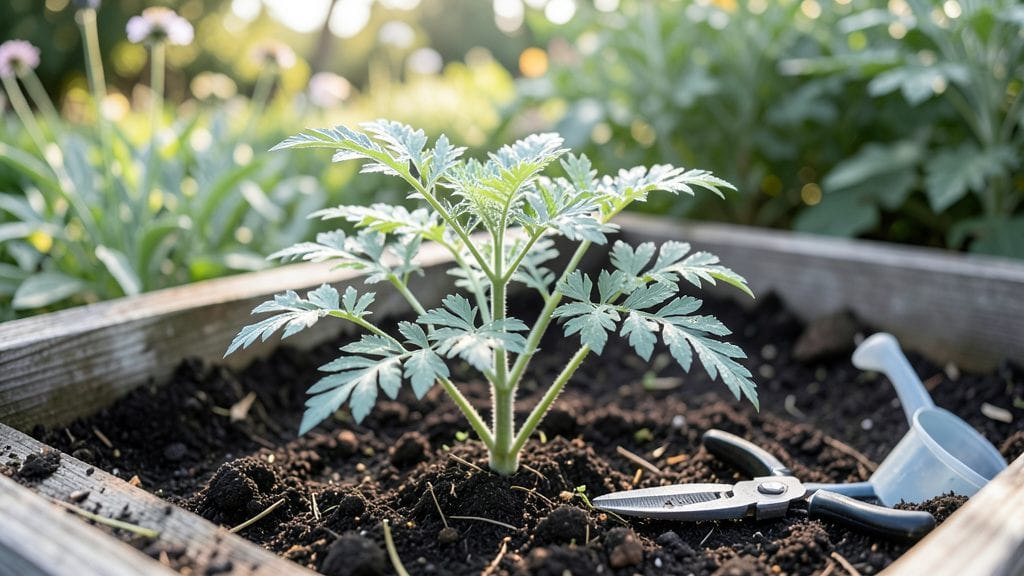
Growing Nigella damascena seedlings from seed is one of those gardening surprises that rewards patience with effortless beauty—delicate lace-like blooms that dance in the breeze. 🌿 I’ve watched mine pop up in just 5-7 days, then transform into sturdy seedlings ready for transplanting in 6-8 weeks, all with minimal fuss.
The key isn’t complicated: consistent moisture, bright light, and a little space to stretch.
Start indoors 6-8 weeks before your last frost, using a shallow tray with well-draining soil mix. These seedlings crave sunlight—place them near a south-facing window or under grow lights for 14-16 hours daily.
Overcrowding is their enemy, so thin or transplant them into 2-inch pots once the first true leaves appear. Water gently at the soil line to avoid damping-off, and you’ll avoid the heartbreak of lost seedlings.
By the time you’re ready to move them outside, your Nigella will be 2-3 inches tall, with sturdy stems and tiny leaves that look like fern fronds. They thrive in full sun to partial shade, and their drought tolerance means you’ll spend less time fussing over watering.
The real magic? They self-seed like crazy, so you’ll have volunteer blooms for years with almost no effort.
Here’s the secret most beginners miss: don’t rush them. Nigella seedlings grow slowly at first but explode into bloom once they’re happy.
Give them room, keep them moist (but not soggy), and watch as they transform your garden into a sea of airy blue, white, or pink—all while attracting pollinators like crazy. Ready to grow some?
📚 In This Guide
- What you need
- Instructions
- Tips and common mistakes
- Wrapping up and next steps
What you need
- ● Seeds: 1 packet of Nigella damascena seeds (about 50-100 seeds, depending on desired quantity).
- ● Seed trays or pots: 2-4 small biodegradable pots or a seed tray with individual cells (2-3 inches deep).
- ● Seed-starting mix: 1 bag of high-quality, well-draining potting soil (sterilized, peat-based or coco coir blend).
- ● Watering can or spray bottle: With a fine mist nozzle for gentle hydration.
- ○ Grow lights or sunny windowsill: A full-spectrum LED grow light (optional but ideal) or a south-facing window with 6+ hours of sunlight.
- ● Plant labels: Small markers or sticks to label seedlings.
- ○ Humidity dome: A clear plastic cover to retain moisture (optional but helpful for germination).
- ● Fertilizer: A balanced liquid fertilizer (5-5-5 NPK) for seedlings (diluted to half-strength).
- ● Transplanting tools: Tweezers or a small trowel for delicate handling.
- ● Thermometer/hygrometer: To monitor soil temperature (ideal: 60-75°F for germination).
Step-by-Step instructions for growing Nigella damascena seedlings
Here’s how to nurture delicate love-in-a-mist seedlings into robust, blooming plants.
🌱 Step 1: Start Seeds in Moistened Soil
Fill small containers with the seed-starting mix and moisten it until damp but not soggy—think of a wrung-out sponge. Press the soil lightly to remove air pockets, then scatter Nigella damascena seeds on the surface. These seeds need light to germinate, so don’t bury them; just press them gently into the top layer.
Cover the container with a clear plastic dome or wrap to retain humidity and warmth. Place it in a spot where the soil stays consistently at 65-70°F. Germination can take 10-21 days, so patience is key. Keep the soil lightly moist—never soggy—during this time. You’ll know it’s ready when tiny green shoots appear.
☀️ Step 2: Provide Bright, Indirect Light
Once seedlings emerge, remove the plastic cover immediately to prevent damping-off. Place them in a location with bright, indirect light—a south-facing window works well, but avoid harsh afternoon sun, which can scorch tender leaves. If natural light is insufficient, supplement with a grow light positioned 4-6 inches above the seedlings.
Watch for leggy growth—a sign the seedlings are stretching toward light. If stems grow too tall and thin, lower the light source or rotate the containers daily to encourage even growth. Strong seedlings will have deep green leaves and compact stems. Thin to the strongest 4 seedlings per container once they develop their first true leaves.
💧 Step 3: Water Gently and Fertilize Lightly
Water the seedlings at the soil level using a small watering can or spray bottle, avoiding the leaves to prevent fungal diseases. Allow the top ½ inch of soil to dry out between waterings—overwatering is the fastest way to kill these delicate plants. Use room-temperature water to avoid shocking the roots.
Once the seedlings have 4-6 true leaves, apply a diluted liquid fertilizer (half-strength) to encourage steady growth. I use a balanced 10-10-10 formula every 2 weeks during the active growing season. Avoid over-fertilizing, as this can lead to weak stems and fewer blooms. You’ll see new leaves emerge within a week—that’s your signal everything is working.
⏰ Step 4: Harden Off and Transplant
About 4-6 weeks before the last frost, begin hardening off the seedlings by placing them outdoors in a sheltered spot for 1-2 hours the first day. Gradually increase their outdoor time over 7-10 days, exposing them to morning sun and gentle breezes. This prepares them for the garden’s conditions.
Transplant the seedlings into the garden after all danger of frost has passed. Choose a location with full sun to partial shade and well-draining soil. Space them 12-18 inches apart to allow for air circulation. Water deeply after planting to settle the soil around the roots. You’ll know they’re thriving when they resume growth within 3-5 days.
🌿 Step 5: Maintain for Blooms
Once established, Nigella damascena thrives with minimal care. Water deeply once a week, allowing the soil to dry slightly between waterings. Mulch around the base with 2 inches of organic mulch to retain moisture and suppress weeds. Deadhead spent blooms to encourage continuous flowering throughout the season.
These plants are drought-tolerant once mature, but consistent watering during dry spells ensures vibrant blooms. You’ll see the first flowers appear in 6-8 weeks from sowing, and they’ll reward you with delicate, lacy blooms that last for weeks. Enjoy the process—they’re as beautiful as they are easy to grow.
Tips & tricks for perfect Nigella damascena seedlings
These proven strategies will help you transform delicate love-in-a-mist seedlings into flourishing plants that reward you with stunning blooms.
The Germination Secret: In Step 1, when pressing seeds into the soil, I like to use a fine mist spray bottle to ensure even moisture distribution without disturbing the seeds. The 65-70°F soil temperature is critical—too cold slows germination, while too hot can cause mold. Place your containers on a seedling heat mat if your home runs cooler than this range. The 10-21 day germination window can feel like an eternity, but consistency is key—check moisture daily without disturbing the seeds.
Light Management: Step 2 reveals why bright, indirect light is non-negotiable. I've found that rotating containers quarter-turn daily prevents uneven growth toward the light source. If using grow lights, position them 4-6 inches above and set a timer for 12-14 hours/day to mimic natural daylight. Watch for leggy seedlings—they're begging for more light or need their light source lowered.
Thinning Strategy: When thinning to 4 seedlings per container in Step 2, I recommend using clean, sharp scissors to snip unwanted seedlings at soil level rather than pulling. This prevents disturbing roots of remaining plants. The seedlings you remove can be replanted in separate containers if you want extra plants—just give them their own space to grow.
Fertilizer Timing: The 2-week fertilization schedule in Step 3 works best when applied in the morning after watering. I've discovered that using a fish emulsion fertilizer instead of chemical formulas produces stronger stems. Always use half-strength solution—over-fertilizing causes salt buildup that damages delicate roots. You'll notice new growth within a week if everything's balanced correctly.
Pro Tips for Nigella Damascena Seedling
- These proven strategies will help you transform delicate love-in-a-mist seedlings into flourishing plants that reward you with stunning blooms.
- The Germination Secret: In Step 1, when pressing seeds into the soil, I like to use a fine mist spray bottle to ensure even moisture distribution without disturbing the seeds.
- Light Management: Step 2 reveals why bright, indirect light is non-negotiable.
Frequently asked questions
about growing Nigella damascena seedlings—because every gardener deserves a little clarity!How often should I water my Nigella damascena seedlings?
Keep the soil consistently moist but not soggy—water gently when the top inch feels dry. Overwatering can drown delicate seedlings, while underwatering stunts growth. A spray bottle works best for even moisture. Pro tip: Use a tray with drainage to avoid root rot!
Can I grow Nigella damascena from seeds indoors before transplanting?
Start seeds indoors 6-8 weeks before the last frost in well-draining soil. Place under grow lights (12-14 hours/day) to mimic sunlight. Harden off seedlings for 1-2 weeks before moving them outside—this boosts survival rates!
What if my seedlings look leggy or weak?
Leggy seedlings mean too little light. Move them to a sunniest windowsill or supplement with LED grow lights. If they’re crowded, thin them to 1 inch apart—this prevents competition for nutrients. Bonus: A pinch of compost tea can revive weak stems!
Are there alternatives if my seeds don’t germinate?
Try soaking seeds overnight in warm water to soften the hard outer shell. If that fails, check seed viability—press a seed between two papers; if it crushes easily, it’s likely dead. For faster blooms, opt for transplants from a nursery (just ensure they’re labeled Nigella damascena).
How do I protect seedlings from pests like aphids?
Inspect leaves daily for sticky residue (aphid sign). Spray with neem oil or introduce ladybugs (natural predators). For severe infestations, isolate affected plants. Prevention tip: Keep your garden clean—pests hide in debris!
Wrapping up and next steps
Growing a Nigella damascena seedling into a vibrant, bloom-ready plant is totally within your reach—just follow the right light, water, and care tips! 🌱 With 6-8 weeks of patience and the perfect balance of bright, indirect sunlight, you’ll be rewarded with delicate, lace-like flowers that add charm to any garden.
Whether you’re a seasoned gardener or a beginner, this easygoing plant is a great way to build confidence and enjoy quick rewards.
Now that you’re armed with the know-how, take the next step—plant those seeds and watch your garden transform! 🌸 Happy growing!