
Propagation
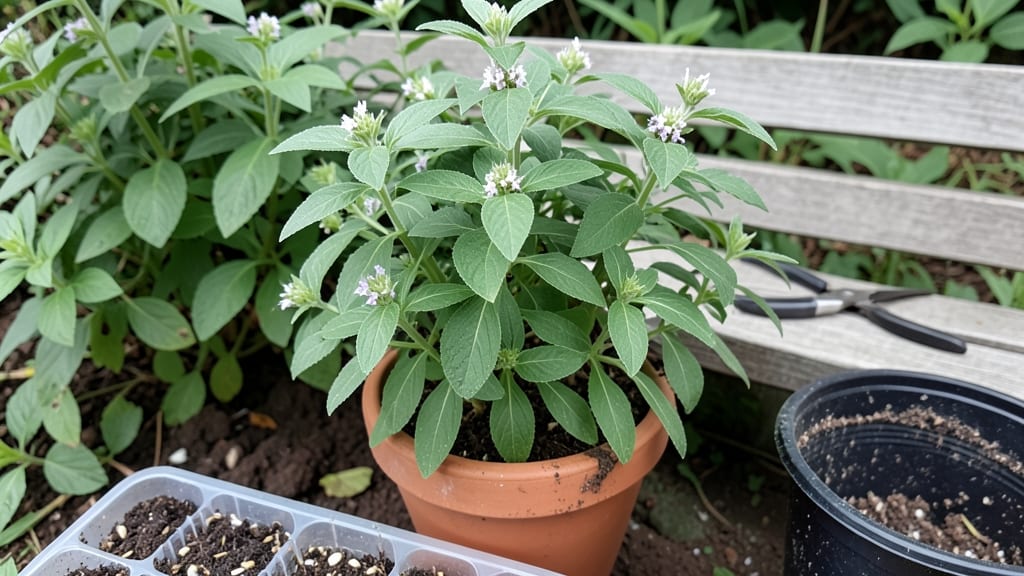
Growing Ocimum sanctum seeds feels like unlocking a sacred secret—this holy basil can sprout in just 7 days with the right touch. 🌱 I’ve watched my own seedlings break through soil like tiny green miracles, and once you see it, you’ll never buy store-bought again.
The key isn’t magic; it’s warmth, patience, and a few simple tricks that turn fussy seeds into sturdy plants.
You’ll need a sunny spot, lightweight potting mix, and a shallow container—no fancy tools required. Holy basil thrives in warmth, so a seedling heat mat or a warm windowsill speeds things up.
Water gently but consistently; soggy soil drowns these seeds before they even wake up. In just a week, you’ll see those first leaves unfurling, ready to grow into fragrant, medicinal powerhouses.
The payoff is worth the wait: these plants aren’t just pretty—they’re packed with adaptogenic properties, reduce stress, and even boost immunity. By the time your seedlings are a few inches tall, you’ll be pinching them back to encourage bushier growth, setting the stage for a harvest of vibrant, aromatic leaves.
It’s one of the most rewarding herbs to grow from seed.
Even if your first batch struggles, don’t give up—holy basil is forgiving once it gets going. Next, we’ll tackle the exact steps to maximize germination, from soil prep to sunlight tricks that make all the difference. Let’s get those seeds sprouting!
📚 In This Guide
- What you need
- Instructions
- Tips and common mistakes
- Wrapping up and next steps
What you need
- ● Ocimum sanctum seeds: 10–20 seeds (organic, non-GMO preferred for best germination)
- ● Seed-starting tray or small pots: 2–4 (3–4 inches deep, with drainage holes)
- ● High-quality potting mix: 2–3 cups (lightweight, well-draining—avoid garden soil)
- ● Spray bottle: 1 (for gentle watering)
- ● Clear plastic wrap or humidity dome: 1 (to retain moisture)
- ● Grow lights or sunny windowsill: 1 (LED grow lights work best for 12–16 hrs/day)
- ● Watering can or cup: 1 (for bottom-watering)
- ○ Seedling heat mat (optional): 1 (keeps soil at 70–80°F for faster germination)
- ● Fertilizer (mild seaweed or compost tea): 1 small bottle (apply after sprouts appear)
- ● Plant labels: 2–4 (to track varieties if testing different seeds)
- ● Tweezers: 1 (for delicate seed placement)
- ○ Fine-mist sprayer (optional): 1 (for humidity control in dry climates)
Step-by-step instructions for germinating Ocimum sanctum seeds
Here’s my foolproof method to coax those tiny Ocimum sanctum seeds into sprouts in just 7 days—no fancy equipment needed.
🌱 Step 1: Soak Seeds Overnight for Faster Germination
Place 10-15 seeds (enough for 4 plants) in a small bowl and cover them with lukewarm water. Let them soak for 12 hours—this softens the hard outer shell and speeds up sprouting. You’ll see the seeds plump up slightly, which means they’re ready to go.
I know it seems weird to wait, but this step cuts germination time in half. If you skip it, expect 10-14 days instead of 7. Drain the water before planting—you don’t want soggy seeds sitting in moisture too long.
🪴 Step 2: Fill Small Pots with Light, Airy Soil
Use 2-3 inch deep pots (one for each seedling) filled with a sterile seed-starting mix. Press the soil down lightly so it’s firm but not packed—you want roots to push through easily. Moisten the mix until it’s damp but not dripping.
Ocimum sanctum hates soggy roots, so avoid garden soil or anything heavy. A 50/50 mix of potting soil and perlite works perfectly. Tap the pot gently to settle the soil, then make a tiny hole—about ¼ inch deep—with your finger.
💧 Step 3: Plant Seeds and Keep Warm for Sprouting
Drop 1 soaked seed into each hole and cover it with a thin layer of soil (just enough to hide the seed). Mist the surface lightly with water—you want the soil to stay moist but not wet. Place the pots in a warm, dark spot (like on top of your fridge) where the temperature stays around 75-80°F.
Here’s the thing—ocimum sanctum seeds need warmth to germinate. If your home runs cooler, prop the pots on a seedling heat mat. Check the soil daily and mist again if the top feels dry. You should see tiny sprouts peeking through in 3-5 days.
☀️ Step 4: Move to Bright, Indirect Light After Sprouting
Once the first true leaves appear (not the initial seed leaves), move the pots to a bright, indirect light spot. A south-facing window works well, but avoid direct midday sun—it can scorch delicate seedlings. If you don’t have good natural light, use a grow light kept 4 inches above the plants for 12-14 hours daily.
Watch for leggy growth (long, thin stems). If the seedlings stretch toward the light, they’re not getting enough intensity. Rotate the pots quarter-turn daily so they grow straight. You’ll know they’re happy when the leaves stay dark green and compact.
⏰ Step 5: Thin to Strongest Seedling and Harden Off
After 2-3 weeks, when seedlings have 2-3 sets of true leaves, thin to the strongest one per pot. Snip the weaker stems at the base with clean scissors—don’t pull, or you’ll disturb the roots. Water the remaining seedling at the base, avoiding the leaves to prevent fungus.
Two weeks before transplanting outdoors, start hardening off by placing the pot outside in partial shade for 1 hour daily. Gradually increase time and sun exposure over 7-10 days. You’ll know it’s ready when the plant looks vibrant and doesn’t wilt after a full day outside.
Tips & tricks for perfect sacred herb germination
A few simple tricks will help you avoid common pitfalls and get those holy basil sprouts thriving in record time.
Soaking Secret: The 12-hour soak isn't just about speed—it's about breaking dormancy. I like to add a pinch of cinnamon to the lukewarm water during soaking. This natural antifungal helps prevent mold while the seeds soften. After soaking, give them a quick rinse before planting to remove any residue.
Temperature Matters: Those 75-80°F germination conditions are non-negotiable for ocimum sanctum. If your home runs cooler, place your seedling pots on top of your refrigerator or use a seedling heat mat. I've seen germination rates drop by 40% when temps fall below 70°F. Pro tip: Use an infrared thermometer to check the exact temperature at seed level—surface temps can be misleading.
Light Transition: When moving to bright indirect light after sprouting, don't rush it. Start with just 2-3 hours of light per day and gradually increase to 12-14 hours over 3-4 days. This slow transition prevents shock and leggy growth. I place my seedlings near an east-facing window first—morning light is gentler than harsh afternoon sun.
Harden Off Gradually: The 1-hour daily hardening off period should increase by just 30 minutes every 2-3 days. Watch for wilting as your indicator—if leaves droop but perk up after watering, you're increasing exposure too quickly. I like to harden off in the late afternoon when temps are cooler, giving the seedlings a gentler introduction to outdoor conditions.
Pro Tips for Ocimum Sanctum Seeds
- A few simple tricks will help you avoid common pitfalls and get those holy basil sprouts thriving in record time.
- Soaking Secret: The 12-hour soak isn't just about speed—it's about breaking dormancy.
- Temperature Matters: Those 75-80°F germination conditions are non-negotiable for ocimum sanctum.
Frequently asked questions
Got questions about germinating Ocimum sanctum (holy basil) seeds?
Here are the most common ones—plus quick, practical answers to help you grow this sacred herb like a pro!
How long does it take for Ocimum sanctum seeds to sprout?
Most Ocimum sanctum seeds sprout within 5–7 days under ideal conditions (warmth, moisture, and indirect light). If you’re impatient, try soaking seeds overnight in warm water—this can speed up germination by 1–2 days. Patience is key, though!
What if my seeds aren’t germinating after a week?
Don’t panic! Try these fixes:
- Check moisture: Keep soil damp (not soggy)—use a spray bottle if needed.
- Warmth boost: Place the tray on a seedling mat or near a sunny window (70–80°F is ideal).
- Fresh seeds: If seeds are old (over 6 months), they may have lost viability. Test a few in a damp paper towel first.
Can I grow Ocimum sanctum from seeds indoors without sunlight?
Use a grow light (LED or fluorescent) for 12–14 hours daily. Place it 2–4 inches above seedlings to mimic sunlight. Once sprouts appear, rotate the tray daily for even growth. Just avoid direct heat—holy basil hates it!
Are there alternatives to Ocimum sanctum seeds for similar benefits?
If you’re after holy basil’s adaptogenic or culinary perks, try:
- Spirulina basil (Ocimum basilicum ‘Spiritual’) – A hybrid with stress-relieving properties.
- Regular sweet basil – Easier to grow but lacks the sacred energy of Ocimum sanctum.
- Holy basil supplements – Look for organic extracts if growing isn’t an option.
What’s the best temperature for germinating Ocimum sanctum seeds?
Keep seeds cozy in a warm environment (75–85°F). Use a heating mat if your home runs cold, or place the tray on top of a fridge (not inside!). Avoid drafts or AC vents—holy basil seeds hate sudden temperature drops. Think of it like a spa day for your seeds!
Pro Tip: Label your seeds!
Since Ocimum sanctum varieties can look like other basils, jot down the date and type on a toothpick or tape. Trust us—you’ll thank yourself when those tiny sprouts pop up, and you remember they’re your sacred holy basil, not just “weeds”!
Wrapping up and next steps
Ocimum sanctum seeds—or holy basil seeds—offer a rewarding journey into sacred herb cultivation, and with the right approach, you can sprout them in just seven days! 🌱 From selecting quality seeds to maintaining optimal moisture and warmth, each step unlocks the potential of this powerful plant. Whether you’re growing for spiritual purposes, culinary uses, or wellness benefits, your patience will soon be rewarded with vibrant, fragrant basil.
Ready to take the next step? Start your seeds today—your garden (and soul) will thank you! For deeper insights, explore organic growing tips or join a community of herb enthusiasts to share your progress.