
Propagation
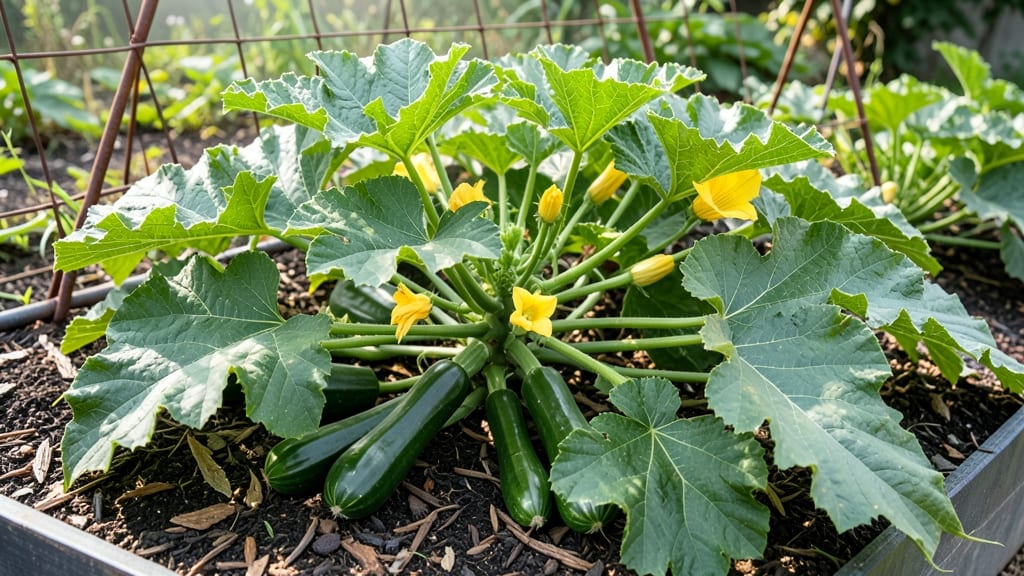
Growing squash without pollination sounds like magic—but it’s real with parthenocarpic squash seeds 🌱. These varieties produce fruit without bees or hand-pollination, making them perfect for small spaces, containers, or even indoor gardens.
I’ve grown them in my backyard and on a balcony, and the difference is night-and-day compared to traditional squash.
The secret lies in the right soil, consistent watering, and a sunny spot. You’ll need well-draining soil mixed with compost, 1-2 inches of water per week, and 6-8 hours of sunlight daily.
Unlike regular squash, these plants focus energy on fruit instead of struggling with pollination, so yields are shockingly reliable—even for beginners.
By mid-summer, you’ll be harvesting vibrant green zucchini, golden pattypan, or sweet dumpling squash without the usual hassle. The fruit stays crisp and productive for weeks, and you skip the frustration of empty flowers or small, misshapen squash. Plus, no bees means fewer pests to worry about.
Works in raised beds, containers, or in-ground gardens—just adjust spacing for variety. Here’s how to set it up for foolproof results, no matter your experience level.
📚 In This Guide
- What you need
- Instructions
- Tips and common mistakes
- Wrapping up and next steps
What you need
- ● Parthenocarpic squash seeds: 3–5 seeds (choose varieties like ‘Early Prolific Straightneck’ or ‘Black Beauty’ for reliability).
- ○ Biodegradable seed-starting pots (optional): 4–6 (3–4" diameter) or a seed tray with cells.
- ● Seed-starting mix: 1–2 bags (sterile, well-draining potting soil).
- ● Garden soil or raised bed mix: 1–2 cubic yards (rich in compost, pH 6.0–7.0).
- ● Organic fertilizer: 5–10–10 or compost tea (for transplanting).
- ● Gloves: 1 pair (gardening or nitrile for handling soil).
- ● Trowel or transplanting spade: 1 (for digging small holes).
- ● Watering can or hose with gentle nozzle: 1 (avoid overhead watering after transplanting).
- ● Mulch (straw or shredded leaves): 1–2 bags (to retain moisture).
- ○ Row covers or shade cloth (optional): 1–2 (for early-season protection from pests).
- ● Full sun exposure: 6–8 hours daily (south-facing spot ideal).
- ● Warm soil temps: 60–70°F (15–21°C) for germination.
- ● Spacious planting area: 3–4 feet between plants (vines spread!).
Step-by-Step instructions for growing parthenocarpic squash without pollination
Here's how to cultivate these self-pollinating varieties for reliable, pollinator-free harvests.
🌱 Step 1: Select and Prepare the Right Containers
Choose 5-gallon fabric grow bags or 18-inch diameter pots with drainage holes—parthenocarpic squash needs room for sprawling vines and heavy fruit. I fill each container with 3 gallons of high-quality potting mix blended with 1 cup compost for organic nutrients. The extra space prevents root binding, which stunts growth and reduces yields.
Press the mix down gently until it's firm but not compacted. You'll want the surface level about 2 inches below the container rim to accommodate watering. Add 1 tablespoon of balanced fertilizer (10-10-10) mixed into the top inch of soil—this gives seedlings a nutrient boost without burning tender roots.
🌱 Step 2: Plant Seeds at Optimal Depth and Spacing
Sow 2-3 seeds per container at a depth of 1 inch, spacing them 3 inches apart in a small circle. Planting too deep delays germination because the seedling must push through more soil. Cover lightly with additional mix, then mist the surface until evenly moist—no need to soak.
Place containers in a warm spot (70-80°F) with indirect light until sprouts appear in 5-10 days. I use a seedling heat mat under the pots to maintain consistent warmth. Once all seeds germinate, thin to the strongest seedling per container by snipping the others at soil level with clean scissors.
☀️ Step 3: Provide Consistent Light and Heat
Move seedlings to a location with 6-8 hours of direct sunlight daily—parthenocarpic varieties still need plenty of light to develop flavor and size. If growing indoors, position containers 12-18 inches from a south-facing window or under grow lights for 14-16 hours per day.
Maintain daytime temperatures between 75-85°F and nighttime temps above 60°F. If your space runs cooler, use a small space heater near the plants—parthenocarpic squash grows best with warmth. You'll notice leaves curling or yellowing if temps drop below 60°F.
💧 Step 4: Water and Fertilize for Maximum Yield
Water when the top 2 inches of soil feel dry, using 1 gallon per container each time. Avoid wetting the leaves to prevent powdery mildew, a common issue with squash. I water at the base in the morning so foliage dries quickly. Overhead watering creates damp conditions that invite fungal diseases.
Feed plants every 2 weeks with ½ cup diluted liquid fertilizer (5-5-5) mixed in 1 gallon of water. Stop fertilizing when flowers appear to encourage fruit set. You'll see new leaves emerge within 3-5 days of feeding—this tells you the plant is absorbing nutrients properly.
✂️ Step 5: Prune and Harvest for Continuous Production
Remove any male flowers that appear—even on parthenocarpic varieties, they drain energy from fruit development. Pinch off flowers when they're still in bud form to redirect the plant's resources. Prune leggy vines back by ⅓ to encourage bushier growth and better air circulation.
Harvest when fruit reaches 80-90% of its mature size—this ensures tender flesh and peak flavor. Use a sharp knife to cut stems 1 inch from the fruit, leaving a small stem attached. Regular harvesting encourages more production. You'll get 4-6 harvests per plant over the season.
Tips & tricks for perfect parthenocarpic squash cultivation
A few strategic moves will help you maximize yields and troubleshoot common challenges with these self-pollinating varieties.
Container Selection: The 5-gallon fabric grow bags or 18-inch pots specified are ideal because parthenocarpic squash develops heavy fruit that requires substantial root space. I've found that adding a layer of 1-2 inches of gravel at the bottom of containers improves drainage without sacrificing soil volume. This prevents waterlogging, which can lead to root rot—a common issue with container-grown squash. The extra 2 inches below the rim in Step 1 also creates valuable headspace for watering without spillage.
Temperature Consistency: Maintaining that 75-85°F daytime range is crucial because parthenocarpic varieties are particularly sensitive to temperature fluctuations. I recommend using a small thermometer near your plants to monitor conditions—especially if you're using grow lights indoors. Nighttime temps dropping below 60°F can cause flower drop, even in self-pollinating varieties. A simple heat mat or even a ceramic heat emitter can maintain that critical nighttime threshold without creating a humid environment.
Light Optimization: The 14-16 hours of daily light requirement can be challenging in northern climates. If you're supplementing with grow lights, position them 12-18 inches above the plants and use full-spectrum LED bulbs that mimic sunlight. I've noticed that adding 2 hours of light in the morning (rather than evening) prevents the plants from becoming "leggy" and encourages more compact growth. Rotate containers weekly to ensure even light exposure across all sides of the plant.
Pruning Strategy: When pruning leggy vines back by ⅓ in Step 5, focus on removing the longest, most outward-growing stems first. This creates better air circulation while maintaining the plant's overall structure. I've found that pruning in the early morning when plants are turgid (full of water) reduces stress. Always use clean, sharp scissors to prevent disease transmission—dull tools can crush stems and create entry points for pathogens.
Pro Tips for Parthenocarpic Squash Seeds
- A few strategic moves will help you maximize yields and troubleshoot common challenges with these self-pollinating varieties.
- Container Selection: The 5-gallon fabric grow bags or 18-inch pots specified are ideal because parthenocarpic squash develops heavy fruit that requires substantial root space.
- Temperature Consistency: Maintaining that 75-85°F daytime range is crucial because parthenocarpic varieties are particularly sensitive to temperature fluctuations.
Frequently asked questions
about parthenocarpic squash seeds—get quick answers to help you grow like a pro!What’s the difference between parthenocarpic and regular squash seeds?
Parthenocarpic squash seeds produce fruit without pollination, meaning no bees or hand-pollination are needed. Regular squash requires pollination for fruit development, which can be tricky in greenhouses or low-pollinator areas. Parthenocarpic varieties are ideal for controlled environments or when you want consistent yields!
How long does it take for parthenocarpic squash to bear fruit?
Most parthenocarpic squash varieties mature in 50–70 days from transplanting, depending on the type (summer or winter squash). Early varieties like ‘Early Prolific Straightneck’ may fruit in as little as 45 days. Keep an eye on vines—fruit will swell and firm up without needing pollinators!
Can I grow parthenocarpic squash in containers or small spaces?
Many parthenocarpic varieties (like ‘Bush Delicata’) thrive in 5-gallon containers or raised beds. Choose compact or bush types, and ensure containers have drainage. Just provide full sun (6–8 hours) and consistent watering. Perfect for balconies or patios!
Why aren’t my parthenocarpic squash fruits developing?
Check these common issues:
- Insufficient sunlight: Squash needs 6+ hours of direct sun daily.
- Poor soil fertility: Amend soil with compost or use a balanced fertilizer (10-10-10).
- Temperature stress: Ideal temps are 70–85°F. Cold nights (<50°F) can stunt growth.
- Overcrowding: Thin vines to 2–3 feet apart for airflow.
Are there any parthenocarpic squash alternatives if seeds are hard to find?
If parthenocarpic seeds are unavailable, try self-pollinating varieties like ‘Straightneck’ or ‘Zucchini’ (though they may need occasional hand-pollination). For guaranteed no-pollination fruit, consider parthenocarpic cucumbers or peppers—they’re easier to source and just as rewarding!
Wrapping up and next steps
Growing parthenocarpic squash seeds is a game-changer for gardeners who crave reliable, pollination-free harvests! 🌱 Whether you're dealing with limited space, pests, or just want hassle-free gardening, these seeds deliver consistent, high-quality fruit without the guesswork.
The key is choosing the right variety, providing proper care, and staying patient—your efforts will pay off with a bountiful, stress-free harvest.
Ready to take the next step? Start small—try a few seeds in a container or a dedicated garden bed—and watch your no-fuss squash thrive. Happy growing! 🌿