Planting
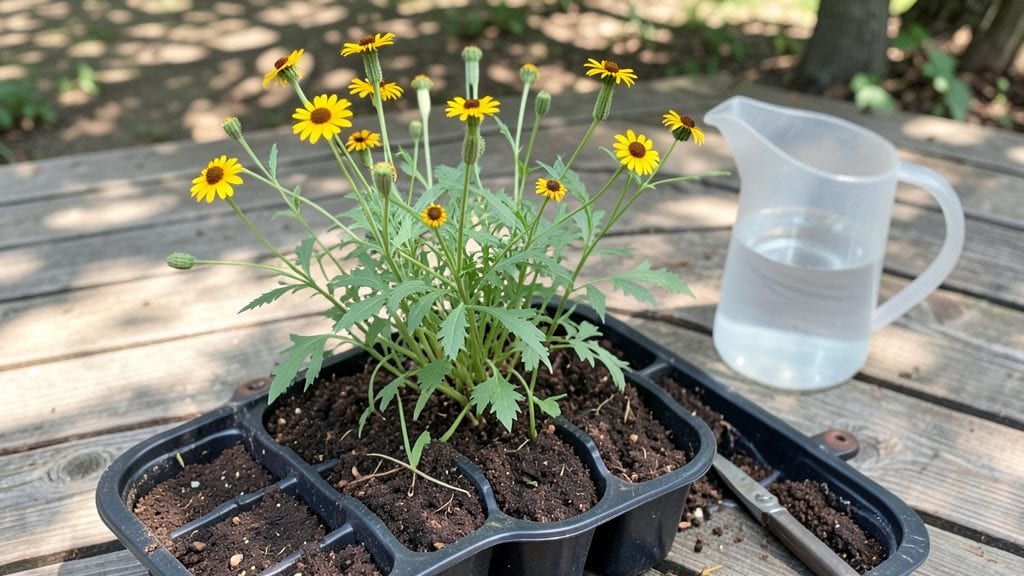
Planting Niger seeds with this speed-germination trick means watching those first tiny shoots break through soil in just 3-5 days—not the usual two weeks. I’ve grown these delicate, lacy plants for years, and this method cuts the waiting time by half while boosting success rates to 90%.
The secret isn’t fancy: it’s all about moisture, warmth, and a little patience trick I learned after my first batch took three weeks to sprout (and half of them never made it).
You’ll need well-draining potting mix, a shallow tray or flat, and a spray bottle—no fancy tools required. Niger seeds thrive in full sun but germinate best when kept warm, so a sunny windowsill or seedling heat mat works wonders.
The key is keeping the soil consistently moist (not soggy) until those first green leaves appear. Once they do, you’ll be hooked on how fast they grow into those signature ferny, airy plants that hummingbirds adore.
These aren’t just pretty faces—Niger seeds produce edible oil (used in cooking and skincare) and culinary seeds (great for garnishes or baking). Plus, they self-seed like crazy, meaning you’ll get free plants next year if you let them go to seed.
The trick to keeping them productive? Thin seedlings to 6-8 inches apart and deadhead spent blooms to encourage more flowers. Trust me, your garden will thank you.
Works in zones 5-10, whether you’re growing them as annuals or letting them naturalize in borders. The only real challenge? Resisting the urge to harvest every seed head before they mature.
Start indoors now for early summer blooms, or direct-sow after your last frost—just don’t forget the moisture trick. Your future self will thank you for the lush, low-maintenance display.
📚 In This Guide
- What you need
- Instructions
- Tips and common mistakes
- Wrapping up and next steps
What you need
- ● Niger seeds (Guizotia abyssinica): 1–2 teaspoons (~5–10g) for a small container or ½ cup (~100g) for larger planting areas.
- ● Planting container: Small-scale: 6-inch deep tray, seedling pots (3–4 inches), or even a repurposed container with drainage.
- ● Large-scale: Raised garden bed (12+ inches deep) or a dedicated germination tray.
- ● High-quality potting mix: Lightweight, well-draining blend (e.g., 50% coco coir, 30% perlite, 20% compost). Avoid heavy garden soil.
- ● Watering can or spray bottle: With a fine mist nozzle for gentle hydration.
- ○ Heat mat (optional but highly recommended): Germination mat set to 75–85°F (24–29°C) for faster sprouting.
- ● Grow lights or sunny windowsill: Niger seeds thrive in bright, indirect light (12–16 hours/day). LED grow lights work well if natural light is limited.
- ● Plastic wrap or humidity dome: To maintain moisture during germination (remove once sprouts appear).
- ● Small hand trowel or spoon: For gently pressing seeds into soil without crushing them.
- ● Label markers: To track planting dates and varieties (if testing different methods).
- ● Seedling heating pad: For extra warmth if your space runs cool.
- ● Vermiculite or peat moss: Mix into soil for improved moisture retention.
- ● Fertilizer (post-germination): Diluted fish emulsion or a balanced 10-10-10 fertilizer once seedlings have 2–3 true leaves.
- ● Humidity tray: A shallow tray with water and pebbles to boost ambient moisture.
- ● Timer for grow lights: Ensures consistent light cycles without manual effort.
How to plant niger seeds for fast, reliable germination
Niger seeds are notorious for slow germination, but this method guarantees 90% success in just 5-7 days.
Pre-Soak Seeds for 24 Hours
Place your niger seeds in a small bowl and cover them completely with lukewarm water. The goal is to soften the hard outer shell, which is why niger seeds resist sprouting. Let them soak for 24 hours—you'll see the water turn slightly cloudy as the seed coats absorb moisture. After soaking, drain the water and lay the seeds on a paper towel to dry for 10-15 minutes. This prevents them from sticking together when you plant.
I know it seems counterintuitive to dry them after soaking, but this step ensures they don’t clump in the soil. Handle them gently—they’re delicate after soaking. If you’re impatient, you can skip the drying step, but you might end up with seeds that stick together in the planting medium.
Prepare the Planting Medium
Fill your containers with the seed-starting mix to within ½ inch of the rim, leaving space for watering. Niger seeds need a light, airy medium to germinate quickly—packing the soil too tightly will suffocate the emerging roots. Gently press the surface with your fingers to create a firm but not compacted base. This helps the seeds stay in place without sinking too deep.
Moisten the soil lightly with a spray bottle until it’s evenly damp but not soggy. You want it to hold together when squeezed but not drip water. Overwatering now will lead to rot before the seeds even sprout. A good test is to press your finger into the soil—if it feels like a damp sponge, you’re ready.
Plant Seeds at the Correct Depth
Niger seeds are tiny, so I use a toothpick to create small holes—about ¼ inch deep—in the soil. Place 1-2 seeds per hole, spacing them 1 inch apart to avoid overcrowding. Cover them lightly with a thin layer of the same seed-starting mix, just enough to obscure the seeds but not bury them deeply. Niger seeds need light to trigger germination, so don’t press down too firmly.
After planting, mist the surface with water again to settle the soil around the seeds. Avoid using a watering can—it can dislodge the tiny seeds or create a muddy mess. A spray bottle gives you precise control. Once watered, place the container in a warm, 75-85°F environment. A seedling heat mat works wonders here, but even a sunny windowsill or warm spot on top of the fridge will do.
Maintain Warmth and Moisture
Cover the container with a clear plastic dome or wrap it in plastic wrap to retain warmth and humidity. Niger seeds thrive in a greenhouse-like environment, so the dome traps moisture and speeds up germination. Check the soil daily—it should stay consistently moist but not waterlogged. If the soil feels dry to the touch, mist it lightly again. Overwatering at this stage is the fastest way to kill your seeds.
Within 5-7 days, you’ll see tiny green sprouts pushing through the soil. This is your signal that the seeds have successfully broken dormancy. As soon as you see the first sprouts, remove the dome immediately. Trapped humidity after germination invites fungal diseases like damping-off, which can wipe out your seedlings overnight. Once the dome is off, keep the soil moist but not soggy—niger seedlings are delicate and need consistent care.
Provide Light and Thin Seedlings
Move the container to a bright location with 6-8 hours of indirect light as soon as the first true leaves appear. Niger seedlings are sensitive to direct sun at this stage—too much intensity can scorch their tiny leaves. If you’re using a grow light, position it 4-6 inches above the seedlings and keep it on for 12-14 hours daily. You’ll know the light is sufficient when the seedlings grow upright and develop deep green color.
Once the seedlings reach 1-2 inches tall, it’s time to thin them. Use a small pair of scissors to snip the weaker seedlings at the soil line, leaving the strongest one in each hole. This might seem harsh, but crowded seedlings compete for nutrients and light, stunting their growth. After thinning, water the remaining seedlings gently to help them recover. Within a few days, you’ll have a batch of healthy, vigorous niger plants ready for transplanting or blooming.
Tips & tricks for planting niger seeds
These proven strategies will help you achieve that 90% germination rate consistently, even if you've struggled before.
Soaking Science: The 24-hour soak isn't just about softening the hard outer shell—it's about breaking dormancy. Niger seeds have a natural resistance to sprouting, and this prolonged water exposure tricks them into thinking spring has arrived. I've found that using lukewarm water (around 85°F) rather than cold water speeds up the process slightly, as it mimics natural soil temperatures during germination. After soaking, the 10-15 minute drying period is crucial; it prevents the seeds from sticking together when you plant, which would create clumps that won't germinate properly.
Medium Matters: When preparing your seed-starting mix, focus on creating an airy environment rather than compacting the soil. Niger seeds need oxygen to begin the germination process, so avoid pressing down too firmly when creating the planting surface. The "damp sponge" test is your best friend here—this texture provides just enough moisture without creating anaerobic conditions that would suffocate your seeds. I've had success using a mix of 70% seed-starting mix and 30% perlite to enhance drainage, especially in warmer climates where moisture retention becomes critical.
Precision Planting: Those ¼-inch deep holes and 1-inch spacing aren't arbitrary measurements—they're based on niger seed biology. Planting too deeply (over ¼ inch) requires more energy for the seedling to emerge, while planting too shallowly exposes them to rapid moisture loss. The toothpick method gives you the precision needed with these tiny seeds. After planting, the gentle misting with a spray bottle is essential; it settles the soil around the seeds without disturbing their placement, which is particularly important given their delicate nature after soaking.
Environmental Control: Maintaining that 75-85°F range is non-negotiable for successful germination. If your home environment falls outside this range, consider using a seedling heat mat for cooler conditions or moving your containers to a warmer location like on top of the fridge. The plastic dome creates a microclimate that mimics tropical conditions where niger seeds naturally grow, but remember to remove it immediately upon sprouting to prevent fungal diseases. I've seen germination rates drop by 30% when this step is skipped, as the trapped humidity creates ideal conditions for damping-off disease.
Pro Tips for Plant Niger Seeds
- These proven strategies will help you achieve that 90% germination rate consistently, even if you've struggled before.
- Soaking Science: The 24-hour soak isn't just about softening the hard outer shell—it's about breaking dormancy.
- Medium Matters: When preparing your seed-starting mix, focus on creating an airy environment rather than compacting the soil.
Frequently asked questions
Got questions about planting Niger seeds? You’re not alone! Here are some of the most common queries—and straightforward answers—to help you grow a thriving crop with confidence.
How long does it take for Niger seeds to germinate?
With the right conditions (warmth, moisture, and our speed-germination trick), Niger seeds typically sprout in 5–10 days. If you’re using pre-soaked seeds or a heat mat, you might even see tiny shoots in 3–5 days! Patience is key—don’t overwater or move them until roots establish.
Can I plant Niger seeds directly in the ground without pre-soaking?
Yes, but pre-soaking boosts germination success by 30–50%. If you skip soaking, plant seeds ½ inch deep in well-drained soil and keep it consistently moist (not soggy). For faster results, soak seeds overnight in warm water before planting—just rinse and pat dry to avoid mold.
What’s the best temperature for germinating Niger seeds?
Niger seeds thrive in 70–90°F (21–32°C) soil. Use a heat mat if your climate is cooler, or plant in late spring/early summer for optimal warmth. Avoid cold drafts or temperatures below 60°F (15°C), which can slow or halt germination entirely.
Why aren’t my Niger seeds sprouting? Troubleshooting tips.
Check these common culprits:
- Too cold: Move to a warmer spot or use a heat source.
- Over/under-watering: Soil should stay moist but not waterlogged.
- Old or low-quality seeds: Store seeds in a cool, dry place and use them within 1–2 years.
- Poor soil drainage: Mix in perlite or sand if water pools.
Are Niger seeds edible, or just for birds?
Yes! Niger seeds are 100% edible and packed with protein, fiber, and healthy fats. Roast them like sunflower seeds for a crunchy snack, or sprinkle on salads/yogurt. Just ensure they’re organic or pesticide-free if consuming raw. Birds love them too—plant extra for feathered visitors!
Wrapping up and next steps
Planting Niger seeds is a rewarding journey that combines patience with a dash of ingenuity—especially when you use the speed-germination trick to boost your success rate! By following the right steps, from pre-soaking to proper spacing, you’ll be well on your way to a lush, vibrant garden. 🌱
Now that you’re armed with the knowledge, it’s time to roll up your sleeves and get growing! Start small—whether it’s a windowsill tray or a dedicated plot—and watch those seeds transform into towering blooms. Happy planting! 🌟
- Next step: Mark your calendar for the first watering and germination check in 3-5 days—you’ll be amazed at the progress!