Propagation
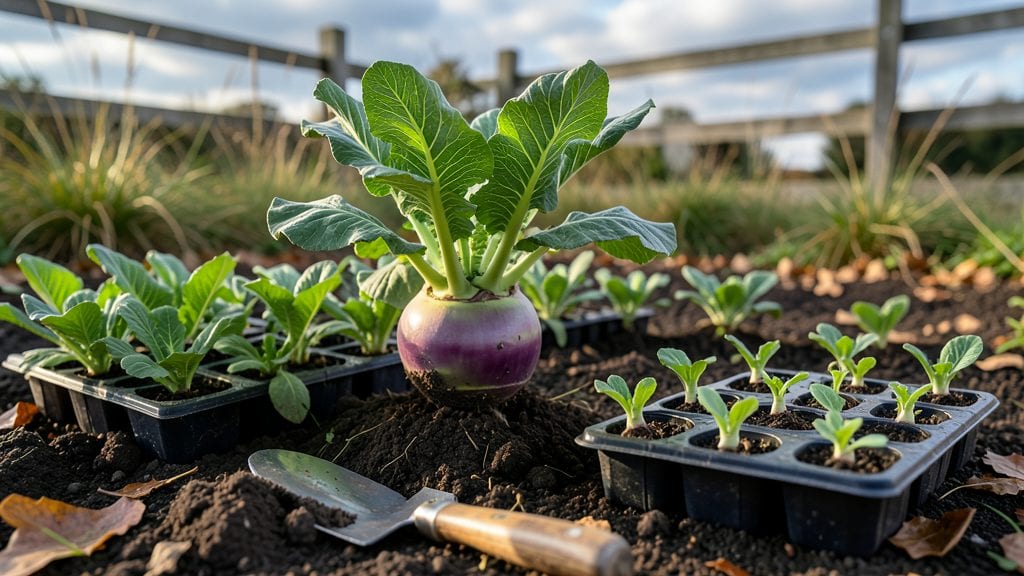
Planting kohlrabi seeds gives you a fast harvest—crisp bulbs and tender leaves in just 55 days—but timing and soil prep make all the difference. I’ve grown kohlrabi for years, and the secret isn’t just patience—it’s getting those tiny seeds into the right conditions early.
Too warm, and they bolt; too dry, and they stall. But nail the basics, and you’ll be snacking on homegrown stems before summer even kicks in.
The best time to plant is 4-6 weeks before your last frost, when soil temps hover around 40-70°F. Start indoors if your spring is unpredictable, or sow directly into loose, well-draining soil mixed with compost.
Space seeds 1 inch apart and ½ inch deep, then keep them moist—damp paper towels help speed up germination if you’re impatient. Kohlrabi thrives in cool weather, so avoid planting after Memorial Day unless you’re in a high-altitude zone.
What you’ll love most is how quickly they transform from spindly seedlings into edible bulbs. Pinch off flowers to keep energy in the stems, and harvest when bulbs reach 2-3 inches in diameter—any larger, and they turn woody.
The leaves? Edible too, packed with peppery flavor. With the right care, you’ll pull your first harvest in under two months, and the garden will stay productive until fall.
Pro tip: Pair kohlrabi with radishes, lettuce, or cabbage to deter pests naturally, and avoid planting near tomatoes or potatoes. If seedlings look weak, check for cabbage worms—handpick them early, and your plants will thank you.
Ready to grow? Let’s get those seeds in the ground before the heat sets in.
📚 In This Guide
- What you need
- Instructions
- Tips and common mistakes
- Wrapping up and next steps
What you need
- ● Kohlrabi seeds: 1–2 packets (each packet contains ~50–100 seeds; plant 3–4 seeds per spot for better germination rates).
- ● Seed-starting mix or potting soil: 1–2 bags (sterile, well-draining mix like Pro-Mix or Miracle-Gro).
- ● Containers or seed trays: For direct sowing: 6-inch deep pots or a garden bed with loose, fertile soil.
- ● For indoor starts: Biodegradable peat pots (2–3 inches deep) or a seed tray with cell inserts.
- ● Grow lights or sunny windowsill: 6–8 hours of light daily (if starting indoors).
- ● Watering can or spray bottle: With a fine mist setting for gentle watering.
- ● Garden gloves: 1 pair (to protect hands from soil and sharp edges).
- ● Compost or organic fertilizer: 1–2 cups (to enrich soil before planting).
- ● Row covers or cloches: For frost protection (if planting early in the season).
- ● Plant labels: To track varieties (e.g., Purple Vienna or White Vienna).
- ● Mulch: Straw or shredded leaves (to retain moisture and suppress weeds).
- ● pH test kit: To ensure soil pH is between 6.0–7.0 (kohlrabi prefers slightly acidic to neutral soil).
Step-by-step instructions for planting kohlrabi seeds
Here's the straightforward approach I've used to grow crisp, sweet kohlrabi bulbs in under two months.
Prepare the Soil and Planting Site
Kohlrabi thrives in loose, fertile soil with excellent drainage. Work the 3 gallons of compost into the top 12 inches of your planting bed until the mix is dark and crumbly. Kohlrabi roots expand quickly, so avoid compacted or clay-heavy soil—it leads to misshapen bulbs and poor flavor. Test your soil's moisture by squeezing a handful: it should hold together lightly but not feel slick.
Choose a location that receives at least 5-6 hours of direct sunlight daily. Kohlrabi bolting (premature flowering) is common in hot conditions, so plant in early spring or late summer for cooler growing periods. If your climate runs warm, opt for shade cloth during peak afternoon sun to keep temperatures below 75°F. I always mark my planting rows with stakes to avoid confusing them with other crops.
Sow Seeds at the Right Depth and Spacing
Using your finger, create ½-inch deep furrows spaced 18 inches apart. Drop 3-4 seeds per foot along each furrow, spacing them 2 inches apart. Kohlrabi seeds are tiny, so I like to use a toothpick to place them precisely—this prevents overcrowding and makes thinning easier later. Cover the seeds with a thin layer of soil and gently firm it with your fingertips to ensure good seed-to-soil contact.
Water the rows immediately after planting with a fine spray nozzle to avoid disturbing the seeds. Keep the soil surface moist but never soggy—kohlrabi seeds rot if they sit in water. You'll see first true leaves in 5-7 days, signaling successful germination. If seeds take longer, check for consistent moisture and warmth—60-65°F is ideal for sprouting.
Thin Seedlings for Optimal Growth
Once seedlings reach 2 inches tall and have 2-3 true leaves, thin them to 4 inches apart within the row. Use sharp scissors to snip unwanted seedlings at soil level—this prevents disturbing roots of remaining plants. Kohlrabi bulbs swell best when given space, so never let them compete for nutrients. I always harvest the thinned seedlings as microgreens for salads or pestos—they're tender and delicious.
After thinning, water deeply to settle the soil around remaining plants. Kohlrabi bulbs form just below the soil surface, so keep the area weed-free. Mulch with 1 inch of straw to retain moisture and suppress weeds. You'll notice bulbs beginning to form in 3-4 weeks—this is when consistent moisture becomes critical. Let the soil dry slightly between waterings to prevent splitting.
Maintain Consistent Moisture and Fertility
Water kohlrabi plants 1-1½ inches per week, increasing to 2 inches during hot spells. The bulbs should feel firm but not woody—overly dry conditions lead to tough texture, while excess water causes splitting. I water in the early morning to allow foliage to dry before evening, reducing disease risk. Kohlrabi is a heavy feeder, so side-dress with ½ cup of balanced fertilizer when bulbs begin to swell.
Harvest when bulbs reach 2-3 inches in diameter—this happens around 55 days from sowing. Use a knife to cut stems 1 inch above the bulb to avoid damaging the plant. If left too long, bulbs become pithy and bitter. I always harvest on a cool morning when the plants are crisp—this ensures the best flavor and texture. Store harvested kohlrabi in the fridge for up to 2 weeks or enjoy it fresh in salads, stir-fries, or roasted dishes.
Tips & tricks for perfect kohlrabi planting
These key strategies will help you achieve a fast, bountiful harvest of crisp kohlrabi bulbs in just 55 days.
Soil Preparation Secret: The 3 gallons of compost should be thoroughly mixed into the top 12 inches of soil to create a loose, airy texture. I find that adding a handful of perlite to the compost mix improves drainage dramatically—this prevents the compacted soil that causes misshapen bulbs. Test your soil's moisture by squeezing a handful; it should hold together lightly but not feel slick. If it's too dry, add water gradually until it reaches the right consistency.
Precision Planting Technique: When creating your ½-inch deep furrows, use a ruler to ensure consistent depth—variations can lead to uneven germination. I've found that spacing seeds just 2 inches apart initially gives me flexibility during thinning. The toothpick method for seed placement is worth the extra effort; it prevents overcrowding and makes the 2-inch thinning process much cleaner. After covering seeds, gently firm the soil with your fingertips to ensure good seed-to-soil contact without compacting.
Temperature Management: Maintaining soil temperatures between 60-65°F is critical during germination. If your climate regularly exceeds 75°F, consider using shade cloth during peak afternoon sun to prevent bolting. I've had success with a lightweight shade cloth that reduces temperatures by about 10°F. Remember that kohlrabi seeds need consistent moisture during this period—water with a fine spray nozzle immediately after planting and maintain that moisture level until germination occurs in 5-7 days.
Harvest Timing Strategy: The 55-day harvest window is tight, so monitor your plants closely. Bulbs should reach 2-3 inches in diameter when harvested for optimal texture and flavor. I recommend harvesting on cool mornings when the plants are crisp—this preserves their sweetness. Use a sharp knife to cut stems 1 inch above the bulb to avoid damaging the plant. If you notice bulbs beginning to split or develop pithy centers, harvest immediately as they won't improve with additional time in the ground.
Pro Tips for Planting Kohlrabi Seeds
- These key strategies will help you achieve a fast, bountiful harvest of crisp kohlrabi bulbs in just 55 days.
- Soil Preparation Secret: The 3 gallons of compost should be thoroughly mixed into the top 12 inches of soil to create a loose, airy texture.
- Precision Planting Technique: When creating your ½-inch deep furrows, use a ruler to ensure consistent depth—variations can lead to uneven germination.
Frequently asked questions
Got questions about planting kohlrabi seeds? You’re not alone!
Here are some of the most common queries—and their straightforward answers—to help you grow this crunchy, versatile veggie like a pro.
When is the best time to plant kohlrabi seeds?
Kohlrabi thrives in cool weather, so aim to plant seeds 2–4 weeks before your last frost date in spring or 6–8 weeks before your first frost in fall. Avoid hot summers—it bolts (goes to seed) quickly when temperatures rise above 75°F (24°C). For year-round harvests, try succession planting every 2–3 weeks!
How long does it take for kohlrabi to grow from seed?
One of kohlrabi’s best features? Speed! With proper care, you’ll harvest bulb-shaped stems in just 55–65 days. Leaves (edible too!) are ready even sooner—around 40–50 days. For a continuous supply, stagger plantings every 2 weeks.
Why aren’t my kohlrabi seeds germinating?
Kohlrabi seeds need consistent moisture and warmth (60–70°F / 15–21°C) to sprout. Common culprits:
- Dry soil: Keep seeds moist (not soggy) until sprouts appear (5–10 days).
- Too deep: Plant seeds only ½ inch deep—they need light to germinate.
- Old seeds: Use seeds within 1–2 years for best results.
- Cold soil: Wait until soil temps are at least 40°F (4°C).
Can I grow kohlrabi in containers or small spaces?
Kohlrabi is a compact crop and does well in:
- Containers at least 6–8 inches deep (with drainage).
- Raised beds or window boxes.
- Small gardens (space plants 4–6 inches apart).
How do I prevent kohlrabi from getting woody or bitter?
Woody texture or bitterness usually means the bulb was left too long in the ground. Harvest when bulbs are 2–3 inches wide (about the size of a tennis ball) for the best flavor. To delay bolting in heat:
- Use shade cloth if temps exceed 75°F (24°C).
- Water deeply 1–2 inches per week to keep soil cool.
- Choose heat-tolerant varieties like ‘Kossak’ or ‘Early Purple Vienna’.
Wrapping up and next steps
Planting kohlrabi seeds is a rewarding experience that delivers a fast, crunchy harvest in just 55 days—perfect for impatient gardeners! With the right soil, spacing, and care, you’ll enjoy a nutrient-packed crop that’s as versatile as it is delicious.
Whether you’re a beginner or a seasoned gardener, kohlrabi’s forgiving nature makes it a fantastic addition to your garden plot.
Now that you’re armed with all the tips and tricks, it’s time to roll up your sleeves and dig in! 🌱 Start by marking your calendar for your next planting session—your future meals (and bragging rights) will thank you. Happy growing!