
Pests and Diseases
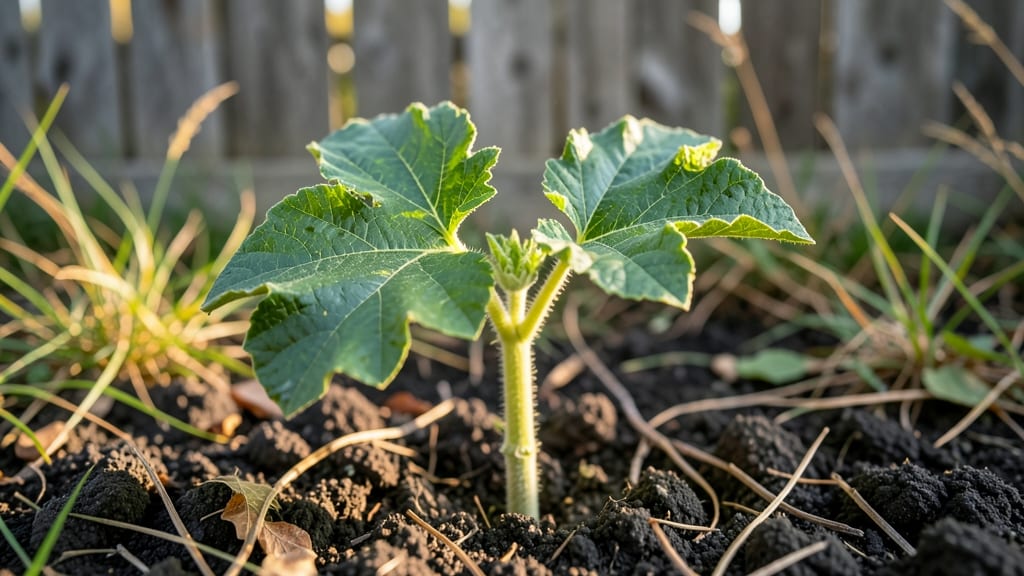
Yellowing pumpkin seedling leaves don’t mean your harvest is doomed—it’s often a quick fix away. 🌱 I’ve saved countless seedlings from this exact problem by pinpointing whether it’s overwatering, pests, or disease causing the trouble. The key is acting fast before the plant’s energy drains completely.
Start by checking the soil moisture and leaf undersides for pests like aphids or early signs of powdery mildew. Most yellowing stems from overwatering or poor drainage, but squash vine borers can turn leaves to lace in days.
A simple pruning of damaged leaves and adjusting your watering schedule can restore those vibrant green stems within a week.
📚 In This Guide
- What you need
- Instructions
- Tips and common mistakes
- Wrapping up and next steps
What you need
- ● Pumpkin seedlings – Healthy or moderately affected plants (1–10, depending on your garden size).
- ● Garden gloves – 1 pair (nitrile or leather for durability).
- ● Pruning shears or sharp scissors – 1 pair (sterilized with rubbing alcohol).
- ● pH testing kit – Digital or liquid test strips (to check soil pH, ideal range: 6.0–7.0).
- ● Balanced fertilizer – 10-10-10 or 5-5-5 NPK (organic or synthetic, 1 tbsp per plant).
- ● Watering can or hose – With a gentle spray nozzle (avoid overhead watering).
- ● Compost or worm castings – 1–2 cups per plant (for organic nutrient boost).
- ○ Fungicide (optional but helpful) – Copper-based or neem oil spray (1 tsp per quart of water).
- ● Epsom salt – 1 tbsp dissolved in 1 gallon of water (for magnesium deficiency checks).
- ● Mulch (straw or shredded leaves) – 2–3 inches thick to retain moisture.
- ● Grow lights or sunlight monitor – If seedlings are indoors (12–16 hours of light/day).
- ● Diatomaceous earth – Food-grade, for pest prevention (sprinkle lightly around base).
- ● Journal or notepad – To track progress and note improvements!
Quick fixes for yellowing pumpkin seedling leaves
Here’s how to diagnose and treat yellowing leaves in your pumpkin seedlings—fast.
🌱 Step 1: Check for Overwatering or Poor Drainage
Yellowing leaves often signal overwatering, which suffocates roots. Gently squeeze the soil—if it feels soggy or water drips out, you’re overdoing it. Pumpkin seedlings need soil that’s moist but not waterlogged. Let the top 1-2 inches dry out between waterings.
If your pots lack drainage holes, yellowing leaves are your warning sign. Move seedlings to containers with holes or add perlite to the soil to improve airflow. I’ve seen seedlings recover within 2-3 days once drainage improves.
💧 Step 2: Adjust Watering and Fertilizer Routine
Yellowing can also mean nutrient burn from too much fertilizer. Hold off on feeding until the seedlings have 2-3 true leaves. Water only when the soil feels dry to the touch—no schedule, just the plant’s needs. Use a spray bottle for gentle hydration to avoid disturbing delicate roots.
If you’ve recently fertilized, flush the soil with 1 inch of water to leach excess salts. Yellowing from fertilizer is usually on older leaves first—new growth stays green. This is your cue to pause and let the seedlings recover.
☀️ Step 3: Assess Light Exposure and Airflow
Leggy, pale seedlings with yellowing leaves often lack light. Move them to a spot with 6-8 hours of sunlight daily. If indoors, place them 12-18 inches under a grow light for 14-16 hours/day. Yellowing on new leaves means too much direct sun—provide afternoon shade if needed.
Poor airflow can also cause yellowing. Space seedlings 12 inches apart to prevent fungal issues. A small fan on low setting for 1-2 hours/day strengthens stems and reduces disease risk. You’ll see leaves perk up within 3-5 days of better airflow.
✂️ Step 4: Prune Damaged Leaves and Boost Health
If yellowing leaves are crispy or mushy, snip them off with clean scissors. This redirects energy to healthy growth. Focus on removing only the worst-affected leaves—don’t over-prune. Healthy leaves should be deep green and firm to the touch.
Give seedlings a light foliar spray with water to clean leaves and improve gas exchange. A diluted seaweed solution (1 tsp per gallon) can also help stressed seedlings bounce back. Monitor progress daily—you’ll know it’s working when new leaves emerge vibrant and green.
Tips & tricks for reviving yellow pumpkin seedlings
A few quick tricks that'll get those seedlings back to vibrant green in no time.
Soil Test Trick: The squeeze test is your best friend—if water drips out when you press the soil, you're definitely overwatering. For a more precise check, insert your finger up to the first knuckle; if it feels cold and clammy, that's your sign to hold off on watering. Pumpkin seedlings prefer their soil to feel like a damp sponge, not a wet rag.
Light Exposure Hack: If your seedlings are indoors, position them within 12-18 inches of your grow light for those critical 14-16 hours of daily exposure. I've found that rotating the seedlings a quarter turn every 12 hours helps prevent them from leaning toward the light source. This keeps their growth straight and even, which is especially important for pumpkin seedlings that need strong stems for heavy vines later.
Fertilizer Recovery Strategy: When you flush the soil with 1 inch of water to remove excess salts, do it slowly over 10-15 minutes. This gradual approach prevents soil erosion and gives the roots time to absorb some of that beneficial moisture. I've seen seedlings that were nearly lost from fertilizer burn bounce back completely within 5-7 days using this method. The key is patience—don't rush the recovery process.
Pruning Technique: When removing damaged leaves, use clean, sharp scissors and make your cuts just above a leaf node (where leaves attach to the stem). This encourages new growth from that point. I always sanitize my scissors with rubbing alcohol between cuts to prevent spreading any potential diseases. The goal is to remove only what's absolutely necessary—healthy leaves are your seedlings' best chance at recovery.
Pro Tips for Pumpkin Seedling Leaves
- A few quick tricks that'll get those seedlings back to vibrant green in no time.
- Soil Test Trick: The squeeze test is your best friend—if water drips out when you press the soil, you're definitely overwatering.
- Light Exposure Hack: If your seedlings are indoors, position them within 12-18 inches of your grow light for those critical 14-16 hours of daily exposure.
Frequently asked questions
Got questions about your pumpkin seedling leaves? You’re not alone—yellowing leaves can be confusing, but the good news is, many fixes are simple! Here are answers to the most common concerns gardeners have when their pumpkin seedlings show signs of distress.
Why are my pumpkin seedling leaves turning yellow?
Yellowing leaves are often caused by overwatering (root rot), nutrient deficiencies (like nitrogen), or pests (aphids, spider mites). Check soil moisture—it should be damp but not soggy—and inspect leaves for tiny bugs or spots. Adjust care based on the root issue!
How long does it take for pumpkin seedling leaves to recover?
With the right fix, leaves may improve in 3–7 days. If yellowing spreads or wilting occurs, act fast! Prune severely damaged leaves to redirect energy to healthy growth. Consistency in watering and sunlight (6+ hours/day) speeds up recovery.
Can I use Epsom salt to fix yellow pumpkin seedling leaves?
Yes! Epsom salt (magnesium sulfate) can help if yellowing is due to a magnesium deficiency. Mix 1 tablespoon per gallon of water and spray leaves weekly. Avoid overuse—too much salt harms roots. Test soil first if issues persist.
Should I remove yellow leaves from my pumpkin seedlings?
Yes, but strategically. Trim only yellow or brown leaves (not healthy green ones) to prevent disease spread. Use clean scissors and avoid damaging stems. This helps the plant focus energy on new growth—just don’t over-prune!
What if my pumpkin seedling leaves are yellow and curling?
Curling + yellowing often signals pests (aphids, spider mites) or viral infections. Spray leaves with neem oil or insecticidal soap, and isolate the plant if needed. For viruses, remove the seedling to protect other plants—prevention is key!
Wrapping up and next steps
Caring for pumpkin seedling leaves doesn’t have to be stressful—with the right approach, you can revive yellowing foliage while keeping your plants thriving! 🌱 Whether it’s adjusting water habits, boosting nutrients, or tackling pests early, small fixes make a big difference.
Now that you’re armed with solutions, take action today—monitor your seedlings closely and implement changes before issues escalate.
Ready to grow stronger? Next, explore organic fertilizers or companion planting to further protect your pumpkin patch. Happy gardening! 🌿