Propagation
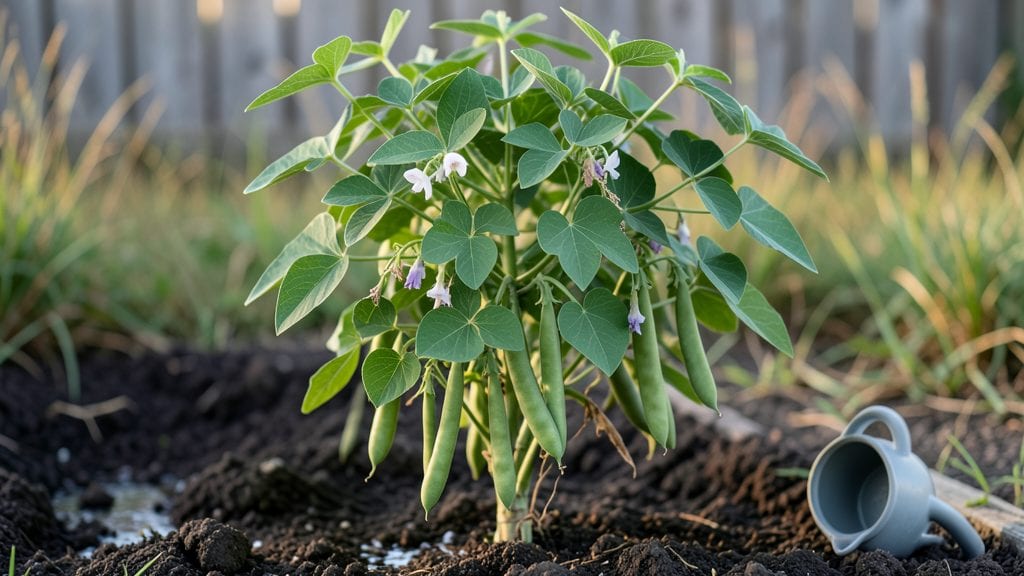
Growing pure line seeds 🌱 means unlocking the secret to plants that reproduce exactly like their parents—every time. That consistency is what separates a reliable harvest from a gamble, and it’s why serious gardeners swear by them.
Here’s the catch: maintaining that genetic purity isn’t just about saving seeds—it’s about isolation, timing, and a few tricks most seed packets won’t tell you. One wrong pollination, and you’ve lost the traits that made your tomatoes sweet or your beans disease-resistant.
In this guide, I’ll walk you through what makes pure line seeds different from hybrids or heirlooms, how to spot the best varieties, and the step-by-step methods to keep them true to form.
Whether you’re saving heirlooms or breeding your own, these techniques will give you the control you’ve been missing.
Ready to turn your garden into a lab for predictable, high-quality harvests? Let’s get started with the basics—because the first step is knowing which seeds are worth saving.
What are pure line seeds and why genetic purity matters
If you've ever saved seeds from your garden only to find the next generation didn't match the parent plants, you've experienced the challenge of genetic drift. Pure line seeds solve this by maintaining genetic consistency across generations, ensuring your tomatoes stay red, your beans stay bushy, and your flowers bloom true to form every time.
This isn't just for professional breeders—it's what serious home gardeners rely on for reliable harvests and heirloom preservation.
At their core, pure line seeds are the result of self-pollination over multiple generations until all offspring exhibit identical traits. Unlike hybrids—which combine two parent lines for specific traits—pure lines are true-breeding, meaning they'll produce plants just like themselves if properly isolated.
Think of them as the gardening equivalent of cloning, but with seeds instead of cuttings.
Here's why genetic purity matters in your garden: it guarantees predictable yields, disease resistance that stays true, and uniform plant characteristics that make harvesting and selling easier. Without it, your prized heirloom tomatoes might suddenly produce green-fruited plants or dwarf beans could grow into vines.
The science behind it ensures your garden's heritage traits remain intact for future seasons.
To understand the difference, consider this: Hybrid seeds (like those labeled F1) combine two parent lines to create a first-generation plant with desirable traits, but those traits won't breed true. Open-pollinated seeds may look consistent but can still cross-pollinate unpredictably. Pure line seeds, however, are the gold standard for genetic stability because they've been stabilized through generations of selective breeding.
Let's break down what makes pure line seeds unique with this quick comparison:
<summary-table>The process of creating pure line seeds begins with selecting the best-performing plants from your harvest. You'd then isolate them—either by physical distance (at least 50 feet for wind-pollinated crops like corn) or by temporal separation (planting different varieties at different times).
For self-pollinating plants like tomatoes or beans, you might even use bagging to prevent accidental cross-pollination.
One of the biggest advantages of pure line seeds is their disease resistance. When a plant's genetics are stable, its defenses against pests and diseases remain consistent. For example, a pure line tomato bred for blight resistance will pass that trait to every seedling.
In contrast, hybrids might lose those traits in subsequent generations. This makes pure lines ideal for organic gardeners who rely on natural resistance rather than chemical treatments.
For gardeners who want to save seeds year after year, pure lines offer another critical benefit: predictable maturation. All plants will reach harvest readiness at nearly the same time, making it easier to plan your garden layout and succession planting.
Imagine harvesting 100% of your lettuce in a two-week window instead of a scattered four-week period—that's the power of genetic consistency in action.
However, maintaining genetic purity requires attention to detail. Even a single accidental cross-pollination can introduce unwanted traits. That's why many seed-saving experts recommend keeping detailed records of each generation.
Label your seeds with the year harvested, plant variety, and generation number (e.g., "Heirloom 'Brandywine' Tomato - Gen 3 - 2023") to track any changes over time.
If you're new to pure line seeds, start with easy-to-grow crops like lettuce, peas, or beans. These are less likely to cross-pollinate accidentally and will help you build confidence in your seed-saving skills.
Once you master the basics, you can move on to more challenging crops like tomatoes or corn, where isolation becomes even more critical.
Remember, the goal isn't perfection—it's progressive improvement. Even experienced seed savers occasionally encounter off-types (plants that don't match the parent). The key is to selectively cull those plants and continue refining your line.
With each generation, your seeds will become more uniform and reliable, ensuring your garden's legacy stays true to its roots.
Step-by-step methods to maintain pure line seed genetic integrity
Preserving the genetic integrity of your pure line seeds requires precision and patience, but the results—consistent traits and reliable harvests—are worth the effort. Even small gardens can maintain purity with the right techniques, from physical isolation to hand-pollination.
The key is minimizing cross-contamination while maximizing control over the breeding process.
I’ve found that combining temporal isolation (planting at different times) with spatial separation (using row covers or distance) cuts cross-pollination risks dramatically. For example, planting tomato varieties in separate cages or using bee-proof bags for hand-pollination ensures no unwanted mixing occurs.
Let’s break down the exact steps to keep your seeds true to their original traits.
How to Maintain Pure Line Seed Genetic Integrity
-
Step 1: Choose the Right Varieties
Select self-pollinating crops like tomatoes, peppers, or beans—these are easier to isolate than wind-pollinated plants.
-
Step 2: Implement Physical Isolation
Use row covers, cages, or plant 100+ feet away from other varieties to block pollinators. For small spaces, hand-pollinate with a paintbrush.
-
Step 3: Time Your Plantings Strategically
Stagger flowering times by planting successive batches 2-3 weeks apart. This reduces overlap and cross-pollination risks.
-
Step 4: Hand-Pollinate for Precision
Use a soft paintbrush to transfer pollen from male to female flowers in the morning when blooms are fresh. Label each plant clearly!
-
Step 5: Harvest and Select Seeds Carefully
Save seeds only from healthiest plants with desired traits. Allow fruits to fully ripen, then dry seeds in a cool, dark place for 2-4 weeks.
-
Step 6: Label and Store Seeds Properly
Use airtight containers with descriptive labels (variety, year, traits). Store in a cool (32-41°F), dry environment to maintain viability.
-
Step 7: Monitor for Contamination
Inspect plants for unexpected traits (e.g., color changes, size shifts). If contamination occurs, discard seeds and restart isolation efforts.
One of my biggest lessons came from a tomato cross-contamination incident—until I switched to hand-pollination and physical cages, my heirloom seeds kept producing mixed colors.
Now, I label every plant and isolate by at least 50 feet for wind-pollinated crops like corn. Even small gardens can achieve purity with these methods!
For small-scale operations, consider dedicating a separate bed or container garden to pure line seeds. Use bee-proof netting during peak pollination hours to add an extra layer of protection. The more control you have over pollinators, the more reliable your seeds will be year after year.
Remember, patience is key: it takes 2-3 generations to stabilize traits fully. But once you’ve perfected your system, you’ll have seeds that breed true and produce the exact plants you love—generation after generation. 🌱