
Propagation
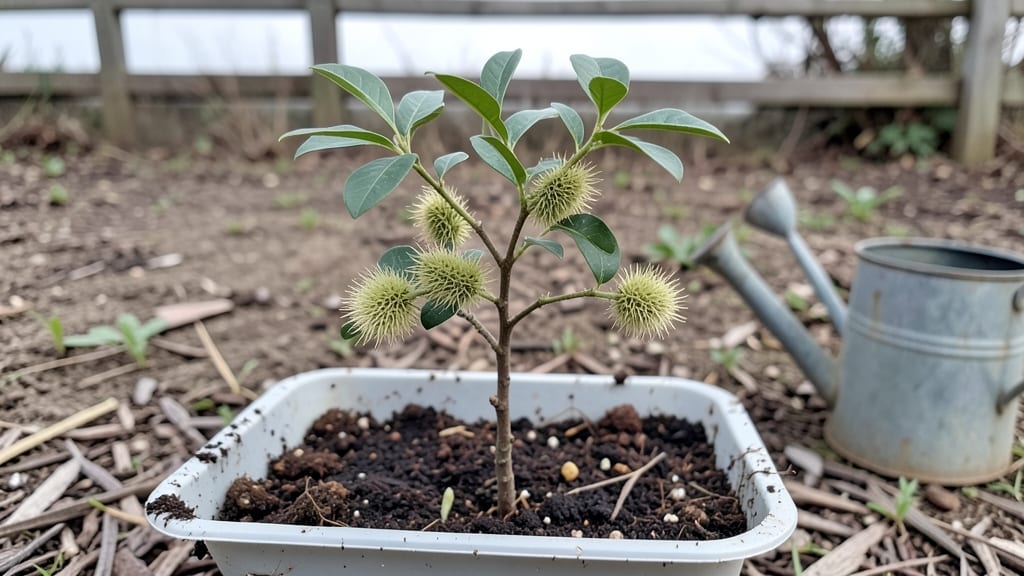
Growing rambutan from seed is the slowest way to a fruit tree, but there’s something thrilling about watching those hairy, spiky fruits emerge from a tiny seed you planted yourself. 🌱 I’ve tried this twice—once with a seed from a grocery store fruit, and once from a tree-grown specimen—and both times, the process taught me more about patience than any other tropical tree I’ve grown.
The first challenge is germination, which can take 4-6 weeks if you’re lucky, or drag on for months if the seed needs stratification. You’ll need a warm spot (75-85°F), moist but well-draining soil, and a clear plastic bag to trap humidity.
Once sprouted, the seedling grows fast—6-12 inches in its first year—but it won’t flower for 5-7 years, so this isn’t a project for impatient gardeners.
Seed-grown rambutans produce fruit, but it’s a gamble on quality—grafted trees bear sweeter, more uniform fruit. Still, the thrill of harvesting your own (even if it’s tart or small) makes it worth it.
The real reward? A tree that grows 20-30 feet tall with glossy leaves and that signature hairy rind, all from a single seed you nurtured.
Between you and me, the hard part isn’t the growing—it’s the waiting. But if you’re in zones 10-12 and have the space, there’s no better way to connect with this exotic fruit. Here’s how to get started without killing your first seedling (I’ve done that too).
📚 In This Guide
- What you need
- Instructions
- Tips and common mistakes
- Wrapping up and next steps
What you need
- ● Fresh rambutan seeds – 3–5 healthy, plump seeds (harvested from ripe fruit).
- ● Well-draining potting mix – A blend of coconut coir, perlite, and peat moss (or a seed-starting mix).
- ● Small seed trays or pots – 2–3 inch (5–7.5 cm) diameter pots with drainage holes.
- ● Plastic wrap or clear lid – To create a mini greenhouse effect.
- ● Spray bottle – For gentle watering.
- ● Sunlight access – A warm, bright spot (e.g., a sunny windowsill or grow light).
- ● Pruning shears – For trimming seedlings later.
- ● Humidity dome or greenhouse kit – Speeds up germination.
- ● Fertilizer (balanced, low-nitrogen) – Once seedlings sprout (e.g., 10-10-10 or organic compost).
- ● Larger pot (5–10 gallons) – For transplanting when roots develop.
- ● Grow light – If natural light is insufficient.
- ● pH testing kit – Ensures soil pH stays between 5.0–6.5 (ideal for rambutan).
Step-by-step instructions for growing rambutan trees from seed
Growing rambutan from seed takes patience, but following these steps gives you a healthy start.
🌱 Step 1: Extract and Prepare the Seed
Remove the seed from a fresh rambutan fruit by cutting through the spiky outer layer and scooping out the large, brown seed inside. Rinse it thoroughly under water to remove any remaining fruit pulp, which can cause mold. Let it dry completely for 24 hours—this prevents rot during germination.
Here's the thing—rambutan seeds germinate best when slightly scarified. Gently rub the seed's hard outer shell with sandpaper or a knife to create tiny scratches. This helps water penetrate, speeding up germination. Don't overdo it; just rough up the surface enough to see faint lines.
💧 Step 2: Start Germination in a Warm, Moist Environment
Fill a small container with 2-3 inches of moistened potting mix (not garden soil—it's too dense). Plant the seed ½ inch deep, covering it lightly but not burying it too much. Water gently until the soil feels damp but not soggy. Place the container in a warm spot, ideally 75-85°F, like near a sunny window or under a grow light.
Keep the soil consistently moist by misting daily—don't let it dry out, but avoid waterlogging. Germination can take 2-4 weeks, so be patient. You'll know it's working when a small sprout breaks through the soil. Once the first true leaves appear, you're ready for the next step.
☀️ Step 3: Transplant into a Larger Container
When the seedling reaches 4-6 inches tall and has 3-4 true leaves, it's time to move it into a 6-inch pot filled with well-draining potting mix. Gently remove the seedling, keeping the root ball intact, and place it in the center of the new pot. Fill around the roots with soil, pressing lightly to secure it.
Rambutan trees love warmth and humidity, so place the pot in a spot with bright, indirect light—like a greenhouse or a sunny windowsill. If you're growing indoors, supplement with a grow light for 12-14 hours a day. Avoid cold drafts, as rambutan seedlings are sensitive to temperature drops.
🌿 Step 4: Care for the Young Tree
Water the tree when the top inch of soil feels dry, usually every 5-7 days. Overwatering is the biggest mistake—rambutan roots rot easily. Use a pot with drainage holes to prevent water from pooling at the bottom.
Fertilize lightly every 4-6 weeks with a balanced, water-soluble fertilizer (like 10-10-10) diluted to half strength. Once the tree reaches 12 inches tall, prune any leggy growth to encourage bushier, stronger branches. Real talk: rambutan trees grow slowly, so don't rush—focus on keeping it healthy first.
⏰ Step 5: Prepare for Outdoor Transition (If Applicable)
If you live in a tropical or subtropical climate, you can eventually move the tree outdoors after it's 1-2 years old and has established a strong root system. Harden it off gradually by placing it outside for 1-2 hours a day, increasing time over 2 weeks. Choose a spot with partial shade to avoid scorching the leaves.
Rambutan trees thrive in USDA Zones 10-12, so if you're in a cooler area, keep it in a container and bring it indoors during winter. Even in ideal conditions, fruiting can take 5-10 years, so enjoy the journey of growing this exotic tree!
Tips & tricks for growing rambutan trees from seed
These insider tips will help you avoid common pitfalls and maximize your rambutan tree's success from the very beginning.
Seed Preparation: The 24-hour drying period is non-negotiable—this prevents mold that can kill your seed before it even germinates. I've seen people skip this step and end up with rotten seeds. Place your seed on a paper towel in a warm spot (around 85°F) to speed up drying while keeping it safe from moisture.
Germination Environment: Don't just place your container anywhere—rambutan seeds need that warm 75-85°F range consistently. I use a seedling heat mat under my germination container, which keeps the soil temperature perfect. If you don't have one, try placing it on top of your fridge (not inside) where it stays warm. The key is maintaining that heat without overheating.
Transplanting Timing: Wait until your seedling reaches exactly 4-6 inches tall with 3-4 true leaves before transplanting—this ensures it has enough energy reserves for the move. I've made the mistake of rushing this step, and the seedlings always struggled. When you do transplant, water thoroughly before and after to reduce transplant shock. Use a pot with drainage holes, as rambutan roots hate soggy conditions.
Light Requirements: Rambutan seedlings need bright, indirect light—direct sun can scorch their delicate leaves. If you're using grow lights, position them about 6 inches above the plant and adjust as it grows. I've found that supplementing with 12-14 hours of grow light daily makes a huge difference in early growth, especially in cloudy climates.
Pro Tips for Rambutan From Seed
- These insider tips will help you avoid common pitfalls and maximize your rambutan tree's success from the very beginning.
- Seed Preparation: The 24-hour drying period is non-negotiable—this prevents mold that can kill your seed before it even germinates.
- Germination Environment: Don't just place your container anywhere—rambutan seeds need that warm 75-85°F range consistently.
Frequently asked questions
Got questions about growing a rambutan tree from seed? You’re not alone! Here are some of the most common queries—and their answers—to help you succeed on your tropical journey.
How long does it take for a rambutan seed to germinate?
A rambutan seed typically takes 4–8 weeks to germinate, depending on warmth and moisture. Keep the soil consistently damp (not soggy) and maintain temperatures around 70–85°F (21–29°C). Patience is key—some seeds may take longer, especially if stored improperly before planting. Pro tip: A heat mat can speed things up!
Can I grow a rambutan tree indoors?
While possible, rambutan trees thrive outdoors in tropical climates. Indoors, they’ll grow slowly and may never fruit without 12+ hours of sunlight daily. If you’re determined, place them near a south-facing window or under grow lights. Just know: outdoor conditions (humidity, space) are ideal for healthy growth.
Will my seed-grown rambutan tree produce fruit?
Seed-grown rambutan trees rarely fruit—they’re often sterile and produce only male flowers. For fruit, you’ll need to graft a cultivated variety onto your seedling once it’s 1–2 years old. Grafting ensures the tree inherits the parent’s fruiting traits. Fun fact: Grafting is common in tropical fruit trees!
What’s the best soil mix for rambutan seeds?
Use a well-draining mix of 50% peat moss or coconut coir and 50% perlite or coarse sand. Avoid heavy clay soil—rambutan roots hate waterlogging. Add a slow-release fertilizer (like 5-5-5) at planting to give seedlings a nutrient boost. Troubleshooting: Yellow leaves? Your mix may be too dense!
How do I know if my rambutan seed is viable?
Test viability by floating the seed in water: if it sinks, it’s likely good; if it floats, it’s probably dead. Fresh seeds (from ripe fruit) have the highest chance of germinating. Pro tip: Soak seeds in warm water for 24 hours before planting to soften the shell. Bonus: Tap the seed—hollow sounds mean it’s empty!
What’s the fastest way to grow a rambutan tree?
For speed, skip seeds and buy a young grafted sapling (1–3 feet tall) from a nursery. Seedlings grow 1–3 feet per year under ideal conditions, while grafted trees may fruit in 3–5 years. If starting from seed, prune aggressively to encourage a sturdy trunk and faster canopy growth.
Wrapping up and next steps
Growing a rambutan tree from seed is a rewarding journey that connects you to nature’s tropical bounty! While it takes patience—expect 5-7 years for fruit—every step, from soaking seeds to nurturing saplings, is a celebration of life.
You’ve now got the blueprint to start your own rambutan adventure, so why not plant those seeds today? Next, pick a sunny spot, grab your tools, and let the magic begin! 🌱✨