
Lawn
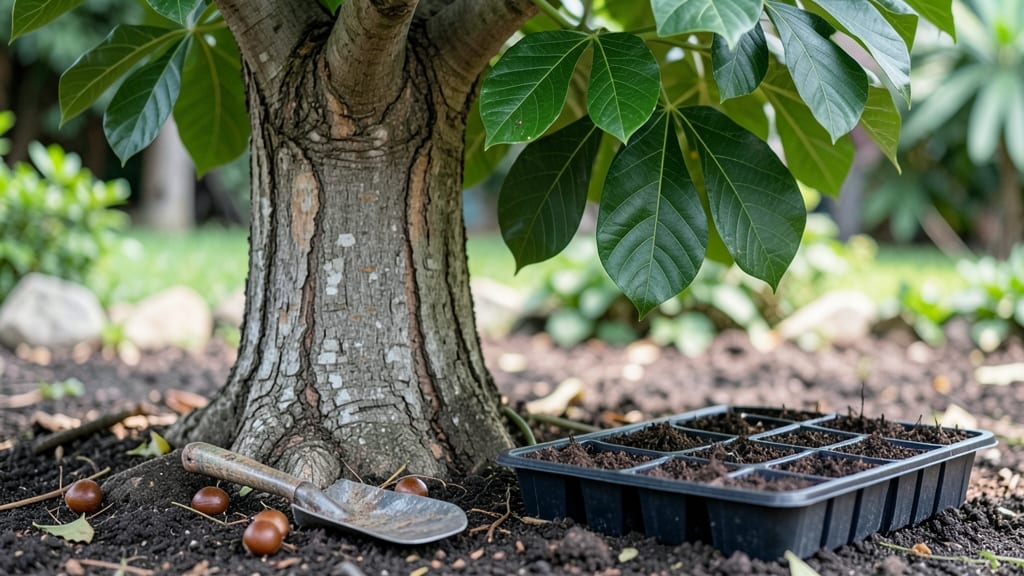
Growing sea almond from seed gives you a fast-growing, drought-tolerant vine that turns any fence or trellis into a lush, year-round privacy screen. 🌿 I planted mine last spring and within three months, it had already outpaced my neighbor’s bamboo—without the constant pruning.
The best part? It thrives in poor soil and barely needs water once established.
The secret to success starts with pre-soaking seeds for 24 hours to break dormancy, then planting them ½ inch deep in well-draining soil. They love full sun but tolerate partial shade, making them perfect for coastal gardens where salt spray can damage other plants.
A 5-gallon container works for small spaces, while they’ll climb 10-15 feet on a sturdy trellis in ideal conditions.
You’ll see the first tendrils emerge in 7-14 days, and by summer, you’ll have a dense, fragrant curtain of dark green leaves with striking purple flowers. The vines even produce edible (though bitter) pods—though most growers plant them purely for their fast, low-maintenance growth.
Just watch for aphids, which occasionally appear but rarely cause lasting damage.
Whether you’re blocking wind, adding shade, or creating a natural screen, sea almonds deliver privacy without the upkeep of traditional hedges. They’re equally at home in containers, along fences, or even trained up a pergola. Let’s get those seeds growing—they’re easier to start than you’d think!
📚 In This Guide
- What you need
- Instructions
- Tips and common mistakes
- Wrapping up and next steps
What you need
- ● Sea almond seeds – 3–5 seeds (or a young sapling if available). Ensure they’re fresh for best germination.
- ● Well-draining soil mix – 50% potting soil + 30% perlite/sand + 20% compost (or a pre-mixed cactus/succulent blend).
- ● Growing containers – 4–6-inch pots (for seedlings) or a direct planting spot (if transplanting outdoors).
- ● Watering can or spray bottle – For gentle hydration (avoid soggy soil!).
- ● Sunlight access – Full sun (6+ hours/day) or bright indirect light (for seedlings).
- ● Pruning shears – For trimming dead leaves or shaping as it grows.
- ○ Mulch (optional) – Wood chips or straw to retain moisture and suppress weeds.
- ● Slow-release fertilizer – Balanced 10-10-10 or organic option (apply sparingly, 2–3x/year).
- ○ Trellis or stakes (optional) – If growing near fences/walls for support.
- ○ pH testing kit (optional) – Ideal soil pH: 6.0–7.5 (sea almonds are adaptable but thrive in slightly acidic to neutral soil).
Step-by-Step instructions for growing sea almond from seed
Here’s how to cultivate these fast-growing, drought-tolerant shrubs into a lush privacy screen.
🌱 Step 1: Prepare Seeds and Sow in Warm Soil
Sea almond seeds (Terminalia catappa) germinate best when pre-soaked for 12-24 hours in lukewarm water to soften the hard outer shell. Place them in a bowl of water, then drain and let them sit until the outer layer wrinkles slightly—this signals readiness. I like to soak mine overnight to ensure even germination.
Fill a 4-inch deep container with well-draining potting mix (avoid garden soil—it compacts and slows root growth). Plant seeds ½ inch deep, spacing them 6 inches apart to allow room for early root spread. Water gently until the surface feels damp but not soggy. A humidity dome or plastic wrap helps retain moisture while preventing waterlogging.
☀️ Step 2: Provide Warmth and Bright Light for Germination
Sea almonds thrive in warmth, so place the container in a spot with consistent temperatures above 70°F. A seedling heat mat set to 75-80°F speeds up germination, which typically takes 2-4 weeks. Keep the soil evenly moist—never let it dry out completely, but avoid overwatering, which can cause seed rot.
Once sprouts emerge, remove any humidity cover immediately to prevent fungal growth. Position the container in bright, indirect light (direct sun can scorch tender seedlings). You’ll notice the first true leaves—small, oval, and glossy—appear within 3-4 weeks after planting. This is your cue to transition to slightly drier conditions.
🪴 Step 3: Transplant Seedlings to Larger Pots or Ground
When seedlings reach 6-8 inches tall (usually 3-4 months after sowing), transplant them to 1-gallon pots or directly into the ground if your climate allows. Sea almonds prefer well-draining soil with a slightly acidic to neutral pH (6.0-7.5). Amend heavy clay soil with compost to improve aeration.
Dig a hole twice as wide as the root ball and slightly deeper to encourage root spread. Space plants 8-10 feet apart for a dense hedge. Water deeply after transplanting to settle the soil, then reduce watering to once weekly once established. Mulch with 2-3 inches of organic mulch to retain moisture and suppress weeds.
✂️ Step 4: Prune and Train for a Dense Hedge
Sea almonds grow quickly—2-3 feet per year—so regular pruning shapes them into a tidy privacy screen. Prune new growth in early spring by cutting back one-third of the longest stems to encourage bushier growth. Use clean, sharp pruners to make cuts just above a leaf node to prevent disease.
For a formal hedge, trim the tops uniformly twice a year: once in late spring and again in early fall. Avoid heavy pruning in winter, as new growth may not harden off before cold snaps. You’ll see fresh, vibrant foliage emerge within 2-3 weeks of pruning—a sign the plant is thriving.
💧 Step 5: Maintain Through Drought and Seasonal Changes
Sea almonds are drought-tolerant once established, but young plants need consistent moisture for the first 2 years. Water deeply once a week during dry spells, focusing on the root zone to encourage deep root growth. Overhead watering can lead to fungal issues, so use a soaker hose or drip irrigation for best results.
In winter, reduce watering to every 2-3 weeks unless your region experiences freezing temperatures. Sea almonds are hardy to USDA Zone 10, so protect young plants from frost with burlap wraps or move potted plants to a sheltered location. You’ll know they’re happy when they drop new leaves in spring, signaling they’ve survived the dormant season.
Tips & tricks for perfect sea almond seed germination and growth
These tried-and-true strategies will help you transform stubborn sea almond seeds into a thriving privacy screen with minimal effort.
Soaking Strategy: The 12-24 hour soaking period is your best friend for breaking through those tough outer shells. I've found that using lukewarm water (around 70°F) creates the ideal environment for even germination. For extra insurance, add a few drops of hydrogen peroxide to the soaking water—it helps prevent fungal growth while softening the seed coats. Watch for that telltale wrinkling of the outer layer, which signals perfect readiness for planting.
Container Selection: While the instructions call for a 4-inch deep container, I recommend using clear plastic containers with drainage holes for your first planting. This lets you monitor root development and moisture levels without disturbing the seeds. If you're planting multiple seeds, use separate containers until they've sprouted—crowding at this stage can lead to competition for nutrients and stunted growth.
Light Management: The bright, indirect light requirement in Step 2 is critical, but don't be fooled by bright windowsills. South-facing windows can deliver intense direct sunlight that scorches tender seedlings. I've had the most success with grow lights positioned 6-12 inches above the seedlings, providing 12-14 hours of light daily. You'll know you've got it right when those first true leaves appear glossy and vibrant within the 3-4 week window.
Transplant Timing: Waiting until seedlings reach 6-8 inches tall (about 3-4 months) ensures they have strong enough root systems to handle transplanting. But here's a pro tip: if your climate allows, transplant on a cool, overcast day. The reduced stress from direct sunlight helps plants recover more quickly. And remember, those 8-10 feet spacing guidelines? They might seem generous now, but they'll prevent future crowding as your sea almonds grow 2-3 feet per year.
Pro Tips for Sea Almond Seed
- These tried-and-true strategies will help you transform stubborn sea almond seeds into a thriving privacy screen with minimal effort.
- Soaking Strategy: The 12-24 hour soaking period is your best friend for breaking through those tough outer shells.
- Container Selection: While the instructions call for a 4-inch deep container, I recommend using clear plastic containers with drainage holes for your first planting.
Frequently asked questions
Got questions about growing sea almond seeds for your privacy hedge?
You’re not alone! Here are some of the most common queries—and straightforward answers—to help you get started with confidence.
How long does it take for sea almond seeds to germinate?
Sea almond seeds (Terminalia catappa) typically take 4 to 8 weeks to germinate, depending on soil warmth and moisture. Pre-soak seeds for 24 hours in warm water to speed up the process. Patience is key—consistent moisture (but not soggy soil) is your best friend here!
Can I grow sea almond seeds indoors before transplanting outdoors?
Start seeds indoors 6–8 weeks before your last frost date in small pots with well-draining soil. Keep them in a warm spot (70–80°F) under grow lights until seedlings are 3–4 inches tall. Harden them off for a week before moving to the garden—this boosts survival rates!
Why aren’t my sea almond seeds sprouting? Troubleshooting tips?
If seeds aren’t germinating, check these common issues:
- Cold soil: Sea almonds prefer warmth—wait until soil temps are at least 65°F.
- Dormancy: Some seeds need scarification (lightly sanding the outer shell) to break dormancy.
- Overwatering: Keep soil moist but not waterlogged—rotting seeds are a red flag.
- Low viability: Test freshness by floating seeds in water (sinkers are viable; floaters may be old).
Are sea almond seeds easy to grow compared to other privacy plants?
Yes! Sea almonds are low-maintenance and drought-tolerant once established, making them ideal for busy gardeners. Unlike fast-growing bamboo (which can be invasive), they grow steadily at 3–5 feet per year and thrive in poor soil. Perfect for coastal areas too!
How close should I plant sea almond seeds for a dense hedge?
Space seeds 10–15 feet apart for a thick, natural-looking hedge. If you’re planting multiple rows, stagger them like bricks for better coverage. Prune lightly in early spring to encourage bushier growth—just avoid heavy trimming until plants are 2+ years old.
Wrapping up and next steps
Growing sea almond seeds is a fantastic way to add lush, year-round privacy to your landscape with minimal fuss! 🌿 Their fast growth, drought tolerance, and striking foliage make them a standout choice for any yard.
Whether you’re a seasoned gardener or just starting out, these hardy plants offer both beauty and practicality.
Ready to transform your space? Start by gathering your supplies—soil, seeds, and a sunny spot—and dive in! With a little patience and care, you’ll soon enjoy a thriving, low-maintenance hedge that’s as rewarding as it is stunning. Happy planting! 🌱