Landscaping
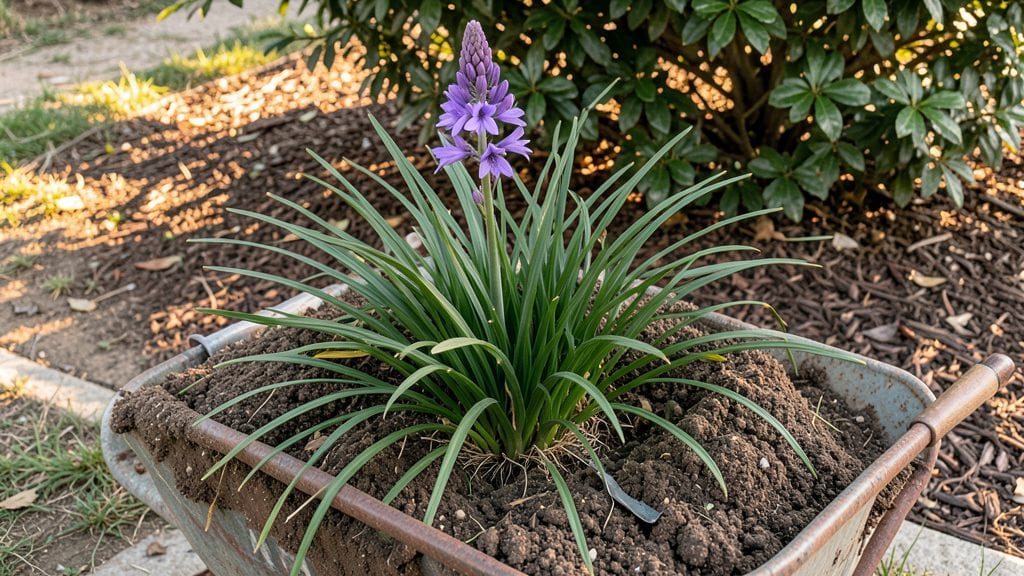
The perfect landscaping soil mix starts with understanding your site’s natural foundation—because what works for clay-heavy yards fails miserably in sandy loam. I learned that the hard way after my first rose bed turned into a mud puddle after every rain.
The secret isn’t just adding compost; it’s balancing texture, drainage, and organic matter to match your plants’ needs and your climate’s quirks.
Most people overlook the drainage test—just squeeze a handful of your native soil. If it holds shape like a brick, you need gritty amendments (like coarse sand or perlite). If it crumbles instantly, organic matter (compost or peat moss) will give roots the moisture retention they crave.
My foolproof formula for most landscapes? Equal parts topsoil, compost, and perlite—adjust based on your soil’s personality.
What you’ll end up with is a velvety, crumbly base that supports both shallow-rooted perennials and deep taproots alike. The visual payoff? Flowers bloom longer, lawns stay green through droughts, and pathways don’t turn to soup after spring showers.
Plus, you’ll cut back on water bills and plant replacements—because healthy soil means happy plants that stick around.
This works for everything from sun-drenched borders to shady woodland gardens, though tropical climates might need extra organic matter to retain moisture. The key is testing, adjusting, and observing how your plants respond. Let’s get your soil right the first time—no more guesswork, just thriving landscapes.
📚 In This Guide
- What you need
- Instructions
- Tips and common mistakes
- Wrapping up and next steps
What you need
- ● Topsoil: 50% of the mix (2-3 cubic yards for a 10’x10’ area). Opt for well-draining, organic-rich topsoil.
- ● Coarse sand: 25% of the mix (1-1.5 cubic yards). Use builder’s sand (not fine sand) for aeration.
- ● Compost: 25% of the mix (1-1.5 cubic yards). Boosts fertility and moisture retention.
- ○ Perlite or pumice: 5-10% (optional but recommended for extra drainage). Adds ½ bag per cubic yard.
- ● Wheelbarrow or garden cart: For mixing and transporting soil.
- ● Shovel & rake: For spreading and leveling the mix.
- ● Garden trowel: For precision in planting areas.
- ○ Soil tester (optional): To check pH and drainage before mixing.
- ● Protective gear: Gloves, knee pads, and a dust mask for comfort.
- ● Clear the area of debris, rocks, and weeds.
- ● Test your existing soil’s drainage (dig a hole, fill with water—if it drains in <2 hours, you’re good!).
- ● Adjust for plants: Add peat moss (10%) if planting acid-loving plants like azaleas.
Instructions for crafting a drainage-perfect landscaping soil mix
Here’s the foolproof method I’ve used to create ideal soil blends for everything from flower beds to vegetable gardens.
Assess Your Base Soil Type
Before mixing, dig a small hole in your garden and examine the soil. Sandy soil drains too quickly and needs organic matter to retain moisture, while clay soil compacts easily and requires amendments to improve aeration. I recommend testing for pH too—most plants thrive in a 6.0-7.0 range. If your soil is heavy clay, you’ll need more coarse materials; if it’s pure sand, focus on organic additions.
Take a handful of your existing soil and squeeze it. If it crumbles easily, it’s sandy. If it forms a tight ball that doesn’t break apart when dropped, it’s clay. This tells you exactly how much of each amendment to add. For example, clay soil might need 50% sand, while sandy soil could benefit from 30% compost instead.
Combine Materials for Optimal Structure
Start with equal parts topsoil and compost—this gives you a balanced foundation. For improved drainage, mix in 20% perlite or coarse sand, depending on your base soil. If your garden sits in a low spot where water pools, increase the perlite to 30% to prevent soggy roots. I like to blend everything in a wheelbarrow or large container until the texture looks uniform and crumbly.
For larger projects, use a shovel to layer materials: spread 2 inches of compost, then 1 inch of perlite, and top with 3 inches of topsoil. Work it in with a garden fork to break up clumps and distribute amendments evenly. The goal is a mix that holds moisture but doesn’t stay waterlogged—think of it as a sponge that drains well but doesn’t dry out too quickly.
Test and Adjust for Plant Needs
Fill a small container with your mixed soil and water it thoroughly. After 30 minutes, check how much water drains out. If it drains too fast, add 10% more compost to improve water retention. If it stays soggy, mix in 10% additional perlite or coarse sand. The perfect blend should drain within 1-2 hours but still feel slightly moist when squeezed.
For specific plants, tweak the mix further. Vegetables like tomatoes and peppers prefer 60% topsoil, 20% compost, and 20% perlite, while shrubs and perennials often do well with 50% topsoil, 30% compost, and 20% sand. Always dig a 6-inch deep hole when planting to ensure roots have access to the improved soil layer.
Apply and Maintain Your Custom Soil
Spread your amended soil over the garden bed to a depth of 3-4 inches, then lightly rake to level it. For established plants, mix the soil into the top 6 inches of the existing bed. Water gently after applying to help settle the materials and encourage root growth into the improved layer. Over time, the compost will break down, so plan to top-dress with 1-2 inches of fresh compost annually to maintain structure and fertility.
Monitor your plants for signs of stress—yellowing leaves often indicate poor drainage, while wilted foliage can signal the mix is too dry. If you notice these issues, adjust by adding more compost for moisture retention or perlite for better aeration. A little experimentation early on saves headaches later when your garden thrives effortlessly.
Tips & tricks for crafting a perfect landscaping soil mix
A few strategic adjustments will transform your garden soil from mediocre to exceptional. The devil is in the details when balancing drainage and nutrient retention, and these insights will help you achieve that perfect equilibrium every time.
Soil Texture Analysis: The squeeze test in Step 1 is your most valuable diagnostic tool. For sandy soil, aim for a final mix that feels like a damp sponge—it should hold its shape when pressed but still crumble easily. Clay soil blends should resemble well-worked pie dough: firm but not rock-hard. I've found that adding 10% coconut coir to clay-heavy mixes improves moisture retention without compromting aeration, though it's optional for most gardeners.
Layering Technique: When working with larger projects in Step 2, I recommend creating a "sandwich" approach with your materials. Start with 1 inch of coarse sand or perlite at the bottom of your planting hole to create immediate drainage, then layer your compost and topsoil mixture above it. This prevents water from pooling at the root zone while still allowing fine roots to access nutrients from the compost layer above.
Drainage Testing: The 30-minute test in Step 3 is where most gardeners go wrong. Instead of just checking water drainage, I recommend performing a secondary test after 2 hours. Fill a container with your mix, saturate it, then weigh it before and after the 2-hour period. The perfect blend should lose 30-40% of its weight through drainage while still maintaining a slightly moist feel. This gives you both visual and quantitative confirmation of proper drainage characteristics.
Seasonal Considerations: The annual top-dressing recommendation in Step 4 should account for seasonal variations. In spring, focus on adding 1-2 inches of compost to replenish nutrients depleted over winter. During summer's peak growth period, consider adding 10% additional perlite or coarse sand to prevent compaction from frequent watering. This seasonal adjustment prevents your soil from becoming either waterlogged or bone-dry during different growing phases.
Pro Tips for Soil For Landscaping
- A few strategic adjustments will transform your garden soil from mediocre to exceptional.
- Soil Texture Analysis: The squeeze test in Step 1 is your most valuable diagnostic tool.
- Layering Technique: When working with larger projects in Step 2, I recommend creating a "sandwich" approach with your materials.
Frequently asked questions
Got questions about choosing the right soil for your landscaping project? You’re not alone! Here are answers to the most common concerns to help you create a thriving outdoor space with ease.
What’s the best soil mix for drainage in landscaping?
A well-draining mix typically includes 60% topsoil, 30% coarse sand or perlite, and 10% organic matter (like compost or peat moss). This combo prevents waterlogging while retaining enough moisture for roots. For heavy clay soil, amend it with gravel or expanded shale to improve aeration.
When is the best time to amend or replace soil in my landscape?
The ideal times are early spring (before planting) or fall (6–8 weeks before frost). Avoid amending during extreme heat or cold, as it stresses plants. For new landscaping, prep the soil 2–3 months ahead to let amendments settle and microbes break down organic matter.
Is topsoil or composted soil better for landscaping?
Both have roles! Topsoil provides a sturdy base for large plants and lawns, while composted soil enriches nutrients and improves structure. For most landscapes, a 50/50 blend of topsoil and compost strikes the perfect balance—affordable, fertile, and well-draining.
How do I fix poor drainage in my existing landscape?
Start by testing your soil’s drainage (pour water; if it pools after 6+ hours, you’ve got poor drainage). Add organic matter (compost, leaf mold) or inorganic amendments (sand, vermiculite). For severe cases, consider raised beds or French drains to redirect water.
Can I use sand alone to improve drainage in my garden?
Not ideal! Pure sand can compact over time and create air pockets that harm roots. Instead, mix it with organic matter (like compost) in a 1:1 ratio. This combo improves drainage and retains moisture—saving you from overwatering or underwatering.
Wrapping up and next steps
Choosing the right soil for landscaping is the foundation of a thriving, beautiful garden—one that balances drainage, nutrients, and plant health. Whether you’re a seasoned gardener or just starting, the perfect mix ensures your plants flourish while saving you time and effort down the road. 🌱
Now that you’re armed with the knowledge, take the next step: test your soil, gather your materials, and get hands-on! Start small with a raised bed or a single plant, then expand as your confidence grows. Happy gardening—your future landscape is waiting! 🌿✨