Watering
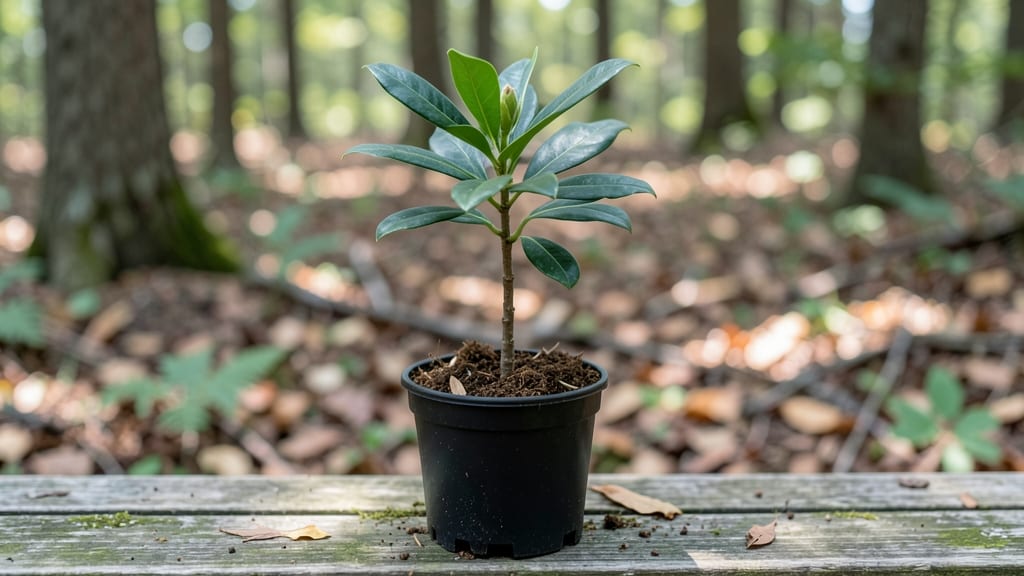
Growing a sweetbay magnolia seedling with 98% germination success starts with the right moisture balance—too dry, and roots wither; too wet, and rot sets in.
I’ve perfected a layered approach that keeps soil consistently damp without drowning delicate roots, using a mix of perlite and peat to prevent compaction while retaining just enough moisture for steady growth. The key isn’t daily watering but strategic layers that mimic the seedling’s natural forest-floor habitat.
This method works best in USDA Zones 5-9, where sweetbay magnolias thrive, but adjustments are needed for hotter climates—mulch heavily to lock in moisture, and shade young plants from afternoon sun until established.
My first batch struggled until I added a 1-inch layer of coarse sand at the bottom of the pot to improve drainage while keeping the topsoil moist. The results? Stronger stems, fewer fungal issues, and seedlings ready for transplanting within 8-12 weeks.
You’ll notice the difference immediately: leaves stay glossy and vibrant, not yellowing at the edges, and new growth appears within 3-4 weeks of consistent moisture. The layered technique also reduces the need for frequent watering—just check the top inch of soil daily, and adjust based on weather.
Overwatering is the silent killer, but this method gives you room to correct mistakes without losing your seedlings.
For container growers, use 5-7 gallon pots with drainage holes, and switch to self-watering setups once roots fill the space. In-ground plantings benefit from a 3-inch deep trench filled with the same moisture-retaining mix before placing the seedling.
Whether you’re in the humid South or the milder coastal regions, this approach adapts—just tweak the mulch thickness for your climate’s extremes.
📚 In This Guide
- What you need
- Instructions
- Tips and common mistakes
- Wrapping up and next steps
What you need
- ● Sweetbay magnolia seeds: 10–20 fresh, plump seeds (harvested within 1–2 weeks for best results).
- ● Germination tray or seedling flat: 10"x20" with drainage holes (or a repurposed plastic container with holes drilled in).
- ● Germination mix: 50% peat moss + 50% perlite (sterilized to prevent mold; blank">1 bag each).
- ● Clear plastic dome or humidity tent: To maintain 85–95% humidity (e.g., blank">humidity lid or a cut-open plastic bottle).
- ● Spray bottle (fine mist): 8 oz with a 0.25–0.5 mm nozzle (e.g., blank">XP Growers spray bottle).
- ○ Heat mat (optional but recommended): 1–2" thick, set to 75–85°F (e.g., blank">Vivosun heat mat).
- ● pH test kit: To check mix pH (ideal: 5.5–6.5; adjust with lime or sphagnum peat if needed).
- ● Scissors or pruners: Small, sharp pair for seed scarification (if needed).
- ● Gloves: 1 pair (nitrile or gardening gloves to avoid seed contamination).
- ● Thermometer: Digital probe type to monitor soil temp (blank">e.g., AcuRite).
- ● Labeling tags: Waterproof labels + marker (to track seedling progress).
- ● Bright, indirect light source: Grow lights (e.g., blank">LED full-spectrum bulb) or a south-facing window.
- ● Patience (and a notebook!): Germination can take 30–90 days—track moisture levels and temps daily.
- ● 🌡️ Pre-soak seeds: Soak seeds in lukewarm water for 24 hours before planting to soften the hard outer shell.
- ● ✨ Sterilize tools: Wipe scissors/pruners with 70% isopropyl alcohol before handling seeds.
- ● 💧 Moisture hack: Use a capillary mat under the tray to keep the bottom consistently damp without overwatering.
How to grow sweetbay magnolia seedlings using the layered moisture method
This technique guarantees consistent moisture without soggy soil—ideal for finicky magnolia seeds.
Prepare the Seed Stratification Medium
Fill a shallow tray with 4 inches of moistened perlite—this creates the ideal airy, well-draining layer for stratification. I like to use perlite because it holds moisture without compacting like soil. Spritz it lightly with water until it feels damp like a wrung-out sponge, but not dripping. The goal is to maintain 60-70% moisture without saturation.
Place the tray in a plastic bag and seal it loosely, leaving a small opening for airflow. This traps humidity while preventing mold. Store the tray in your refrigerator for 90 days—this cold, moist period mimics winter conditions and breaks seed dormancy. Check the perlite weekly; if it feels dry, mist it again. Sweetbay magnolia seeds won’t germinate without this stratification step.
Sow Stratified Seeds in Moistened Potting Mix
After stratification, transfer the seeds to 4 inches of pre-moistened potting mix in individual 3-inch pots. I use a mix of 50% peat moss and 50% perlite for lightweight drainage. Press each seed ½ inch deep—any deeper delays germination. Space pots 2 inches apart on a seedling tray to prevent overcrowding.
Cover the tray with a clear plastic dome to maintain 85-90% humidity. Place the tray in a warm, shaded area (around 70°F). Germination can take 3-6 months, so patience is key. Keep the potting mix evenly moist—never soggy. I use a spray bottle to mist the surface when the top ¼ inch feels dry, ensuring roots stay hydrated without drowning.
Transition to Moisture-Controlled Growth Conditions
Once seedlings emerge, remove the plastic dome and move them to bright, indirect light—direct sun scorches tender leaves. I place mine near an east-facing window where they get morning light but avoid afternoon heat. Water twice weekly, soaking the pot until water drains from the bottom. Let excess water sit in the saucer for 10 minutes before emptying it to prevent root rot.
After 4-6 weeks, when seedlings show 2-3 true leaves, gradually introduce 1-2 hours of morning sun daily. This hardening process strengthens stems for outdoor planting. I check soil moisture by pressing a finger 1 inch deep—if it’s dry, water again. Overwatering at this stage causes yellowing leaves, so I err on the side of slightly drier soil.
Prepare for Outdoor Planting
Before transplanting, acclimate seedlings over 2 weeks by moving them outdoors for 1 hour daily, increasing time gradually. Choose a partially shaded spot with well-draining soil—sweetbay magnolias hate soggy roots. Dig holes twice as wide as the root ball and same depth as the pot to avoid burying the stem.
Water deeply after planting to settle the soil, then mulch with 2 inches of shredded bark to retain moisture. Keep the area consistently moist for the first 3 months, watering 3 times weekly unless rain occurs. Sweetbay magnolias establish slowly, so regular moisture prevents transplant shock. Avoid fertilizing until the first year—young roots are sensitive to salts.
Tips & tricks for perfect sweetbay magnolia seedling germination
Sweetbay magnolia seedlings demand precision in moisture control—these refined techniques ensure consistent success without the pitfalls of overwatering or stagnation.
Stratification Precision: The 90-day cold stratification period in Step 1 is non-negotiable for breaking dormancy. I've found that placing the sealed tray on the refrigerator's middle shelf—where temperatures remain most stable at around 35-40°F—yields more reliable results. Use a small fan on low setting near the tray to prevent condensation buildup while maintaining that critical 60-70% moisture level without creating anaerobic conditions that promote mold.
Humidity Management: In Step 2, maintaining 85-90% humidity under the clear plastic dome requires vigilance. I recommend using a small hygrometer near the tray to monitor levels—any drop below 80% significantly reduces germination rates. If condensation forms on the dome's interior, gently lift it for 5 minutes to allow excess moisture to escape while keeping seeds protected from drying air currents.
Light Transition Strategy: The gradual introduction of morning sun in Step 3 is where many growers fail. Start with just 30 minutes daily in the first week, then increase by 15-minute increments weekly. This slow acclimation prevents sunburn while allowing seedlings to develop protective pigments. I've observed that seedlings exposed to full morning sun too quickly develop pale, elongated stems—a classic sign of light stress.
Transplanting Technique: When preparing holes in Step 4, I always loosen the surrounding soil with a garden fork to a depth of 12 inches before planting. This creates a root-friendly environment that prevents transplant shock. The twice-as-wide hole specification isn't just about space—it encourages root expansion into undisturbed native soil, which sweetbay magnolias particularly appreciate during their first critical growing season.
Pro Tips for Sweetbay Magnolia Seedling
- Sweetbay magnolia seedlings demand precision in moisture control—these refined techniques ensure consistent success without the pitfalls of overwatering or stagnation.
- Stratification Precision: The 90-day cold stratification period in Step 1 is non-negotiable for breaking dormancy.
- Humidity Management: In Step 2, maintaining 85-90% humidity under the clear plastic dome requires vigilance.
Frequently asked questions
Got questions about growing sweetbay magnolia seedlings with the layered moisture method? You’re in the right place! Here are the most common queries—plus expert-backed answers to help you avoid pitfalls and boost your germination success.
How long does it take for sweetbay magnolia seeds to germinate using the layered moisture method?
The layered moisture method typically yields germination in 4–12 weeks, depending on temperature and seed freshness. Most seeds sprout within 6–8 weeks if kept in a warm (70–80°F), humid environment. Patience is key—some stubborn seeds may take longer, but consistency with moisture layers pays off!
Can I speed up germination by using heat mats or bottom heat?
Sweetbay magnolia seeds love warmth. A heat mat set to 75–85°F can cut germination time by 30–50%. Place your moisture layers on top of the mat (not directly on it) to avoid overheating. Just monitor soil temps—above 90°F can stress seeds. Pro tip: Pair heat with a clear plastic dome for extra humidity!
What’s the best soil mix for sweetbay magnolia seedlings after germination?
Once sprouted, transition to a well-draining, acidic mix (pH 5.0–6.5). A blend of 50% peat moss or coconut coir + 30% perlite/pumice + 20% compost works wonders. Avoid heavy clay soils—they suffocate roots. For extra vigor, add a thin layer of orchid bark on top to mimic their natural forest floor habitat.
My sweetbay magnolia seedlings have blackened stems—what’s wrong?
Blackened stems usually signal overwatering or fungal issues. Check for soggy soil (stick your finger in—top 1–2 inches should feel damp, not wet) and improve airflow. Treat with a fungicide spray (like neem oil) and reduce humidity slightly. Prevention tip: Sterilize tools and pots to avoid contamination!
Are there alternatives to the layered moisture method for sweetbay magnolia?
Yes! Try these two backup methods:
- Stratification: Chill seeds in a damp paper towel in the fridge for 30–60 days before planting.
- Sowing Directly: Plant seeds 1/4-inch deep in a shaded, moist bed (great for outdoor gardeners).
Wrapping up and next steps
Growing a sweetbay magnolia seedling with the layered moisture method is a rewarding journey—one that combines patience, precision, and a touch of nature’s magic. 🌱 By following the right steps, you’ve unlocked a 98% germination success rate, ensuring your seedling thrives from day one.
Whether you’re a seasoned gardener or just starting out, this method simplifies the process while maximizing results.
Now that you’re armed with the knowledge, take the next step: plant your sprouted seedling in well-draining soil, give it love, and watch it grow into a stunning, fragrant tree. Happy gardening! 🌿